


Knowledge Hub & News
Industry Insights & Manufacturing Blog
Explore expert technical guides, material standards, and global supply chain updates from Prowa Kitchenware Industries.
Blog
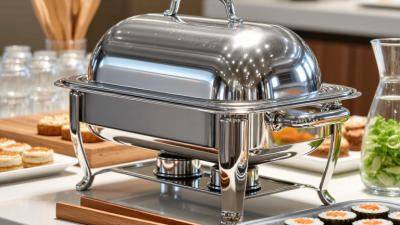
What Are the Best Commercial Buffetware Supplies from China?
Choosing the best Commercial Buffetware Supplies from China requires more than comparing catalog prices. Hotels, restaurants, caterers, and event venues need products that perform under constant service pressure. A stainless steel chafing dish should hold heat evenly, while ceramic trays must resist chips during busy buffet changes. Small details matter.
This guide examines buffetware manufacturers, product materials, customization options, quality checks, and export experience. It considers stainless steel, porcelain, glass, melamine, wood, and food-grade plastic. Each material has practical strengths and limitations. Stainless steel offers durability and easy cleaning. Porcelain creates a refined presentation but may break if handled carelessly. Melamine is lightweight, yet buyers must confirm its food-contact suitability and heat limitations.
Experience shows that attractive photos are not enough. Ask for material specifications, sample approval, factory inspection records, and testing documents relevant to your market. Verify dimensions carefully. A tray that looks suitable online may not fit your chafing frame. Packaging also deserves attention, especially for fragile serving bowls and glassware. One damaged shipment can erase an apparent price advantage.
No supplier is perfect. Even reliable factories can face delays, color variation, or packing mistakes. That reality deserves honest planning. Buyers should compare production capacity, communication quality, replacement policies, and lead times before placing large orders. The strongest choice balances appearance, safety, durability, cost, and dependable service. This article will help businesses assess Chinese suppliers with practical judgment, clear expectations, and evidence-based purchasing decisions.
Read more »
 By:Oliver
- October 14, 2026
By:Oliver
- October 14, 2026
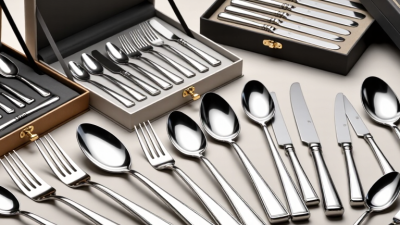
Best Stainless Steel Cutlery Sets from China Wholesale
China’s wholesale market offers a wide range of Stainless Steel Cutlery Sets for hotels, restaurants, retailers, and hospitality suppliers. The opportunity is substantial, but product selection requires more than comparing prices.
The International Stainless Steel Forum reported global crude stainless steel production of about 62.2 million tonnes in 2024. This reflects strong material demand across construction, food service, and consumer goods. Market research from Grand View Research also indicates continued growth in the global stainless steel cutlery sector, although estimates differ by product scope and regional coverage. That variation deserves attention.
Material grade matters. 18/10 stainless steel generally provides stronger corrosion resistance and a brighter finish than lower-nickel alternatives. Grade 430 can reduce costs, but it may offer less resistance in humid kitchen environments. Buyers should examine spoon thickness, fork balance, knife hardness, polishing quality, and weld consistency. A shiny sample can still hide weak edges or uneven weight.
Materials scientist Michael F. Ashby wrote, “Materials are the stuff of design.” His principle applies directly to cutlery. Steel composition affects durability, appearance, maintenance, and customer experience.
Chinese manufacturers can support custom logos, mirror or satin polishing, gift packaging, and flexible production volumes. Yet factory audits, sample testing, and clear inspection standards remain essential. I have seen attractive catalogs create unrealistic expectations. A lower quotation may reflect thinner metal, simpler polishing, or weaker packaging.
This guide evaluates the Best Stainless Steel Cutlery Sets from China Wholesale through practical purchasing criteria, verified specifications, and long-term value. Small details matter. Fancy photos do not replace dependable performance.
Read more »
 By:Ethan
- October 9, 2026
By:Ethan
- October 9, 2026
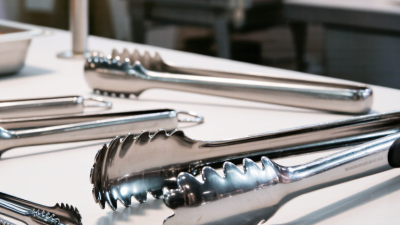
China Top 10 Stainless Steel Serving Tongs Suppliers
Choosing reliable suppliers requires more than comparing catalog prices. Stainless Steel Serving Tongs must perform through buffets, restaurant kitchens, catering events, and repeated washing. Their quality appears in small details: smooth hinge movement, balanced spring tension, secure scalloped tips, and handles that remain comfortable after long service.
Chef Thomas Keller once said, “Respect for food is a respect for life, for who we are and what we do.” That principle also applies to serving equipment. Well-designed tongs protect food presentation, reduce unnecessary contact, and help staff work with greater control. For buyers, material claims deserve careful attention. Grade 304 stainless steel, often described as 18/8 or 18/10, usually offers dependable corrosion resistance. However, supplier descriptions can be incomplete. Request material reports, product drawings, factory photographs, and sample inspections before making a large order.
This guide examines China’s top Stainless Steel Serving Tongs suppliers through practical purchasing criteria. It considers manufacturing experience, customization capacity, quality-control procedures, export communication, packaging, and after-sales support. A strong supplier should explain its polishing process and disclose tolerances honestly. It should also test hinges, welds, and surface finishing, not only inspect appearance.
No ranking is flawless. Buyer priorities differ. A hotel may need 12-inch tongs with hanging loops, while a bakery may prefer compact models with silicone tips. Some suppliers look impressive online but respond slowly when samples reveal problems. That matters. The following overview aims to separate polished marketing from dependable production evidence, while recognizing that even careful evaluations may need revision as factories, certifications, and product lines change.
Read more »
By:Ethan
- October 4, 2026
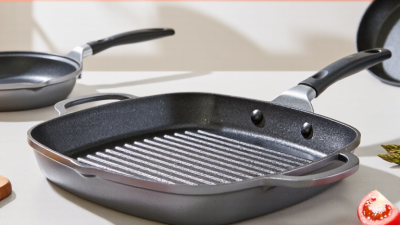
China Top 10 Diecast Nonstick Grill Pan Manufacturers?
China’s cookware industry is becoming more specialized, supported by strong domestic production and export capabilities. Grand View Research reports that the global cookware market continues to expand, driven by household replacement, healthier cooking preferences, and product innovation. Statista also identifies Asia-Pacific as a major consumption and manufacturing region. These trends create a practical market for Diecast Non-Stick Grill Pans.
This introduction presents ten Chinese manufacturers associated with diecast aluminum cookware and non-stick grilling products. The selection considers manufacturing experience, coating technology, mold precision, quality control, export service, and customization capacity. Company websites, public certifications, trade records, and buyer feedback should support each evaluation. Details matter. A polished catalog cannot replace factory evidence.
Industry estimates vary by research firm because market definitions are not identical. Mordor Intelligence, Fortune Business Insights, and Grand View Research measure cookware categories differently, especially when separating pans, appliances, and commercial equipment. The numbers vary. That limitation deserves attention when comparing manufacturers or estimating demand.
From a buyer’s perspective, practical performance remains essential. A suitable pan should heat evenly, release food cleanly, resist warping, and maintain coating integrity during normal use. Grill ridges should produce visible sear marks without creating difficult cleaning points. Manufacturing experience matters here. However, no supplier should be ranked only by production scale or online visibility. Independent testing, material documentation, coating specifications, and batch inspection can reveal weaknesses that marketing language hides.
This guide aims to provide a balanced starting point for sourcing. It does not treat “top” as an absolute fact. Supplier suitability depends on application, order volume, target market, compliance requirements, and after-sales responsiveness. A careful comparison is still necessary.
Read more »
 By:Aveline
- September 29, 2026
By:Aveline
- September 29, 2026
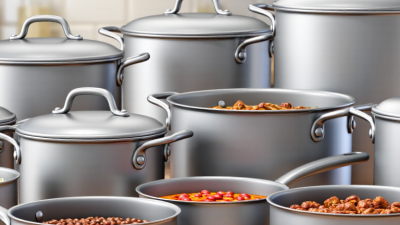
Top 10 Aluminum Caldero Pots for Global Buyers
Choosing among the Top 10 Aluminum Caldero Pots for Global Buyers requires more than comparing prices and polished finishes. These pots serve busy kitchens, family tables, caterers, and restaurant suppliers. Their wide bodies, rounded sides, and tight-fitting lids support rice, stews, beans, and slow-cooked meats. Yet appearance can mislead. A bright surface does not always indicate strong construction.
Cookware quality consultant Elena Marquez offers a practical reminder: “A reliable caldero should distribute heat evenly, handle daily movement, and remain easy to inspect.” That standard matters when buyers compare Aluminum Caldero Pots from different manufacturers. Check the aluminum thickness, handle attachments, lid alignment, and interior finish. Riveted handles may provide dependable support, but poor riveting can loosen over time. Small details matter.
Heat moves quickly through aluminum.
Global buyers should also examine capacity, carton protection, labeling, and replacement-part availability. Some models include nonstick coatings, while others use naturally smooth aluminum surfaces. Each option has trade-offs. Nonstick finishes can simplify cleaning, but they may require gentler utensils. Bare aluminum can feel more traditional, though it may react with certain acidic foods. Induction users need special attention. Standard aluminum usually requires a compatible magnetic base.
This guide is useful, but not perfect. Product specifications can change between production batches. Supplier claims also deserve verification through samples, inspection reports, and controlled cooking tests. The strongest choice is not always the heaviest pot. It is the model that balances heat control, handling comfort, durability, and consistent supply. That balance helps buyers make fewer costly mistakes.
Read more »
By:Ethan
- September 24, 2026
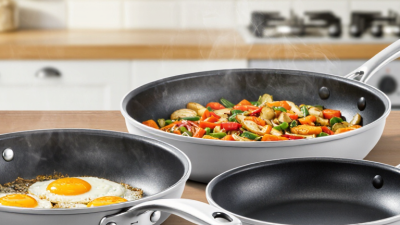
7 Tips to Choose the Best Aluminum Non Stick Fry Pans?
Choosing the right Aluminum Non-Stick Fry Pans is not simply about finding the darkest coating or lowest price. A good pan should heat evenly, release food cleanly, and remain stable after repeated cooking. In a busy kitchen, these details matter. A thin pan may warp over high heat, while a heavy pan can feel tiring during daily use.
Industry research supports this growing focus on performance and durability. Grand View Research’s cookware market analysis identifies non-stick cookware as a major product category, influenced by convenience, healthier cooking preferences, and easier cleaning. The Aluminum Association also explains that aluminum offers strong thermal conductivity and a favorable strength-to-weight ratio. These qualities help explain its popularity in frying pans. However, aluminum alone does not guarantee quality. The construction still matters.
This guide presents seven practical checks for choosing better Aluminum Non-Stick Fry Pans. They include aluminum thickness, coating composition, surface durability, base compatibility, handle design, oven limits, and care requirements. Product claims should be verified through manufacturer specifications, independent testing, and recognized food-contact safety standards. The U.S. Food and Drug Administration provides regulatory guidance for food-contact substances, but compliance language can vary by market. Read the details carefully.
No pan is perfect.
Real cooking exposes weaknesses quickly. Eggs may reveal poor release, while a heavy steak can expose uneven heating. Some recommendations also oversimplify coating performance. Temperature control, utensils, and cleaning habits influence results. The best choice balances measurable specifications with the cook’s actual routine, budget, and cooking surface. A careful comparison can prevent an attractive purchase from becoming an expensive disappointment.
Read more »
By:Oliver
- September 19, 2026
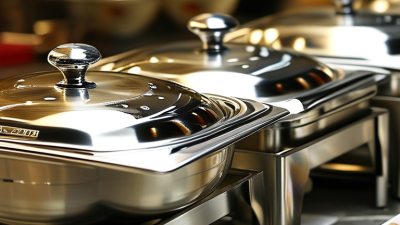
10 Tips for Buying Stainless Steel Chafing Dishes?
Buying Stainless Steel Chafing Dishes looks simple until a busy buffet exposes their weaknesses. A polished finish may attract attention, but it cannot reveal poor welds, thin metal, unstable frames, or unreliable heat control. After inspecting catering equipment and observing service teams, I have learned one uncomfortable truth: attractive dishes are not always dependable dishes. Small details matter.
Foodservice equipment consultant Robert M. Lewis offers a useful principle: “A good chafing dish protects the food, the server, and the service rhythm.” That idea shapes these ten practical tips. We will examine stainless-steel grades, metal thickness, pan capacity, lid design, water-pan depth, fuel compatibility, frame stability, handles, cleaning demands, and warranty support. Each feature affects real service. A loose lid can burn fingers. A shallow water pan can dry out food. A weak frame can wobble when guests reach across a crowded table.
There is no perfect model. Not every expensive dish performs better. Some budget options work well, while premium designs may disappoint in daily use. That deserves reflection. The right Stainless Steel Chafing Dishes should match your menu, guest volume, serving frequency, and cleaning routine. Look beyond showroom shine. Touch the handles. Check the hinge. Inspect the corners. Then choose equipment that remains steady when the room becomes noisy, crowded, and difficult.
Read more »
By:Oliver
- September 11, 2026
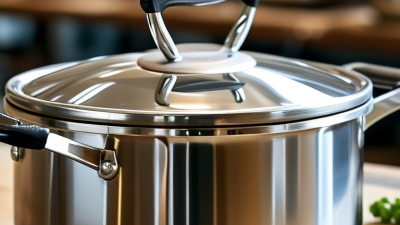
How to Find a Stainless Steel Cookware Manufacturer
Finding a reliable partner for Stainless Steel Cookware Manufacturing requires more than comparing prices or browsing polished product photos. A serious evaluation begins inside the factory, where steel sheets become pans, lids, handles, and finished sets. Buyers should examine material grades, thickness records, forming equipment, welding quality, polishing standards, and production traceability. Small details matter. A loose handle can damage customer trust.
Dr. Kaoru Ishikawa, a respected manufacturing-quality expert, said, “Quality begins and ends with education.” His principle remains useful when assessing cookware suppliers. Ask how workers are trained, how defects are recorded, and who approves each production stage. Request material certificates and food-contact documentation. Review sample pans under practical conditions, including heat distribution, handle stability, lid fit, surface consistency, and induction compatibility. A sample should feel balanced in the hand, not merely attractive in photographs.
Factory visits can reveal more than online catalogs. Look for clean work areas, organized inspection stations, calibrated measuring tools, and clearly labeled materials. Ask about minimum order quantities, mold ownership, packaging protection, lead times, and corrective actions. The cheapest quotation may conceal uneven thickness or inconsistent polishing. That risk is easy to underestimate.
No supplier-selection method is perfect. I may sound cautious, but caution protects long-term quality. A manufacturer with transparent records, realistic promises, and repeatable processes is usually more valuable than one offering the lowest initial price. The right partner should prove capability before receiving a large order. Trust must be tested.
Read more »
By:Aveline
- September 11, 2026
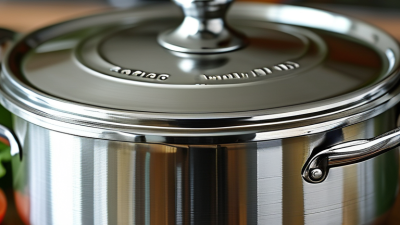
How to Choose Aluminum Casserole Pots in 2026?
Choosing Aluminum Casserole Pots in 2026 requires more than comparing prices and polished photographs. A reliable pot must distribute heat evenly, resist warping, and suit the cooktop used every day. Harold McGee, the respected food science writer, states, “Aluminum is an excellent conductor of heat.” That simple fact explains why aluminum remains popular for stews, sauces, rice dishes, and slow braising.
Yet excellent heat transfer is only one part of the decision. Look closely at the metal thickness, base design, lid fit, handle stability, and interior finish. A heavy-gauge body usually feels steadier over a strong flame. A flat, reinforced base can reduce hot spots. Check induction compatibility carefully, because plain aluminum normally does not work on induction cookers. Some models use a magnetic stainless-steel plate.
The best Aluminum Casserole Pots should also match your cooking habits. A three-liter pot may suit a couple, while a six-liter model handles family meals. Consider oven limits, dishwasher guidance, and whether the coating can tolerate metal utensils. Small details matter. A loose lid does not.
Material safety deserves calm attention. Choose products with clear manufacturer information, tested coatings, and traceable warranty support. Avoid relying only on vague claims such as “premium quality.” I would also question extremely cheap options, although price alone proves little. Even experts can overlook handle heat, storage space, or cleaning effort. The right choice balances performance, durability, maintenance, and honest expectations. No pot wins every test.
Read more »
By:Oliver
- September 11, 2026