
OEM Kitchenware Manufacturing: The Strategic Blueprint for Global Brands & Procurement Directors
An authoritative technical guide on private label cookware production, metallurgical precision, custom tooling workflows, and regulatory compliance — engineered by Prowa Kitchenware Industries in Sialkot, Pakistan.
1. The Fundamentals of Modern OEM Kitchenware Manufacturing
In the hyper-competitive global retail and commercial foodservice landscape, selecting a contract partner for OEM kitchenware manufacturing requires far more than comparing per-unit FOB quotes. Global procurement directors, private label brand managers, and commercial hospitality buyers now operate under strict regulatory scrutiny, unpredictable supply chains, and evolving consumer preferences toward non-toxic, sustainable cookware.
At Prowa Kitchenware Industries, situated in the renowned industrial metallurgy cluster of Sialkot, Pakistan, OEM manufacturing is executed as a precise science. Custom cookware and cutlery production relies on detailed structural metallurgy, deep-drawing stress analysis, advanced friction-press cladding, and proprietary surface finishing. Understanding the exact mechanical behavior of food-grade alloys under extreme thermodynamic conditions allows us to engineer products that exceed international standards for durability, thermal efficiency, and chemical inertness.
Strategic Information Gain: Unlike standard private-label suppliers who rely on outsourced components, Prowa integrates raw material casting, deep-draw pressing, multi-layer cladding, laser-etching, and automated surface polishing under a single ISO 9001:2015 certified roof. This eliminates supply chain friction, ensures batch-to-batch chemical uniformity, and reduces manufacturing lead times by up to 25%.
Metallurgical Breakdown: Selecting the Optimal Alloy for OEM Cookware & Cutlery
Choosing the correct metal substrate is the single most critical decision in OEM kitchenware engineering. Below is an engineering comparison matrix of the key alloys processed in our Sialkot facility:
| Alloy / Grade | Chemical Composition Highlights | Thermal Conductivity (W/m·K) | Corrosion Resistance | Primary OEM Product Application |
|---|---|---|---|---|
| AISI 304 (18/10 Stainless Steel) | 18% Cr, 10% Ni, Low Carbon | ~16.2 | Exceptional (Resists organic & inorganic acids) | Premium Tri-Ply Cookware, Stock Pots, Chafing Dishes |
| AISI 430 (18/0 Ferritic SS) | 18% Cr, 0% Ni (Magnetic) | ~26.0 | Moderate to High (Induction Capable) | Cookware Outer Encapsulated Bottom Discs, Cutlery |
| AISI 420 (Martensitic SS) | 12-14% Cr, High Carbon (0.15-0.40%) | ~24.9 | High (Hardened via heat treatment) | Forged Commercial Kitchen Knives, Heavy Tongs |
| AA 3003 Aluminum | Mn 1.0-1.5%, Cu 0.05-0.20%, Bal Al | ~160.0 | Superior Atmospheric & Chemical Stability | Heavy-Duty Deep-Drawn Casserole Pots, Calderos |
| A380 Die-Cast Aluminum | Si 7.5-9.5%, Cu 3.0-4.0%, Bal Al | ~96.2 | High Structural Rigidity, Excellent Castability | Non-Stick Grill Pans, Induction-Bottom Fry Pans |
2. Recommended OEM Product Lines & Customization Capabilities
Prowa Kitchenware Industries offers an expansive product portfolio engineered to meet the rigid demands of commercial kitchens, hospitality chains, and high-end retail brands. Our custom tooling and mold production capabilities enable global procurement teams to order bespoke dimensions, specialized handles, laser-engraved branding, and customized non-stick surface treatments.
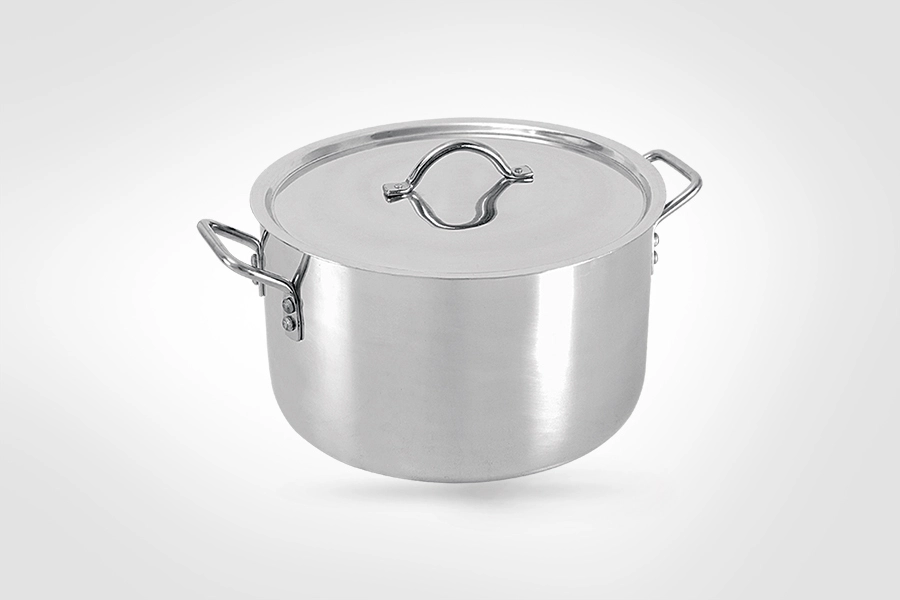
Heavy-Duty OEM Aluminum Casseroles & Stock Pots
Engineered from pure AA3003 aluminum sheet alloy, our heavy-gauge casseroles feature uniform wall thickness for optimal thermal absorption and heat distribution. Designed for commercial foodservice and retail lines requiring long-lasting performance.
- Wall Thickness: 3.0mm to 6.0mm heavy gauge
- Interior Finish: PFOA-free Ceramic / Hard Anodized
- Customization: Cast aluminum handles, glass or metal lids
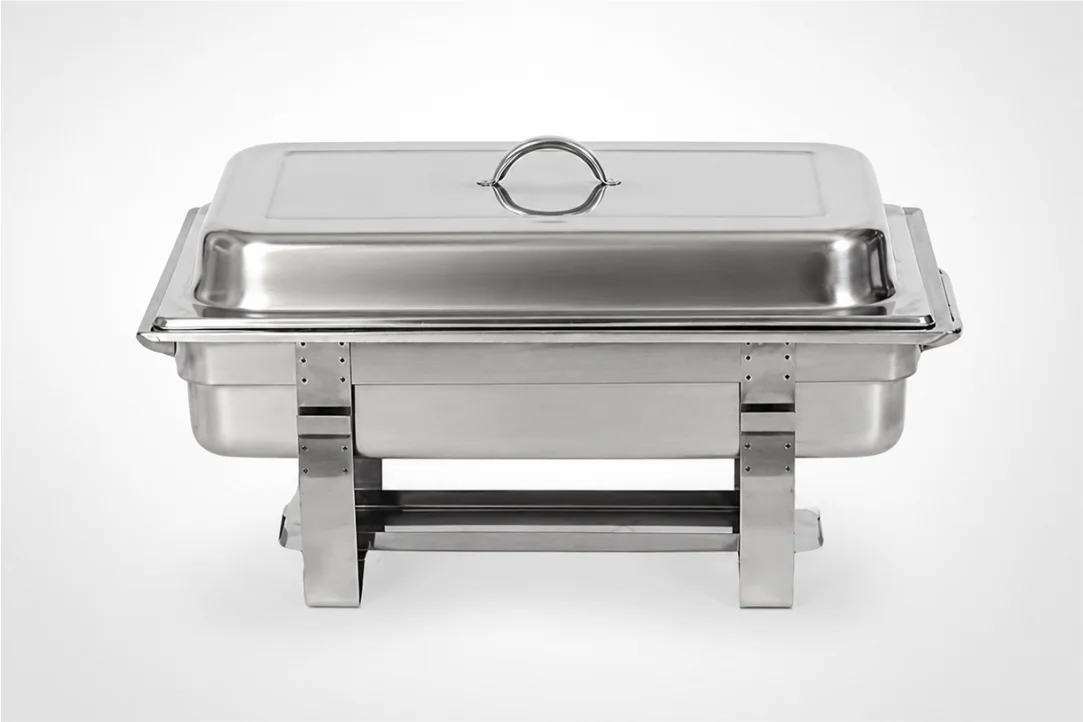
Commercial Stainless Steel Chafing Dishes & Buffetware
Manufactured using AISI 304 food-grade stainless steel with high-luster mirror polishing. Built to meet ISO 8442 hygiene standards for luxury hotel buffets, catering firms, and institutional dining halls.
- Structure: Hydraulic roll-top & removable water pans
- Base: Encapsulated thermal bottom for fuel/induction
- Customization: Laser-etched hotel logos & custom handles
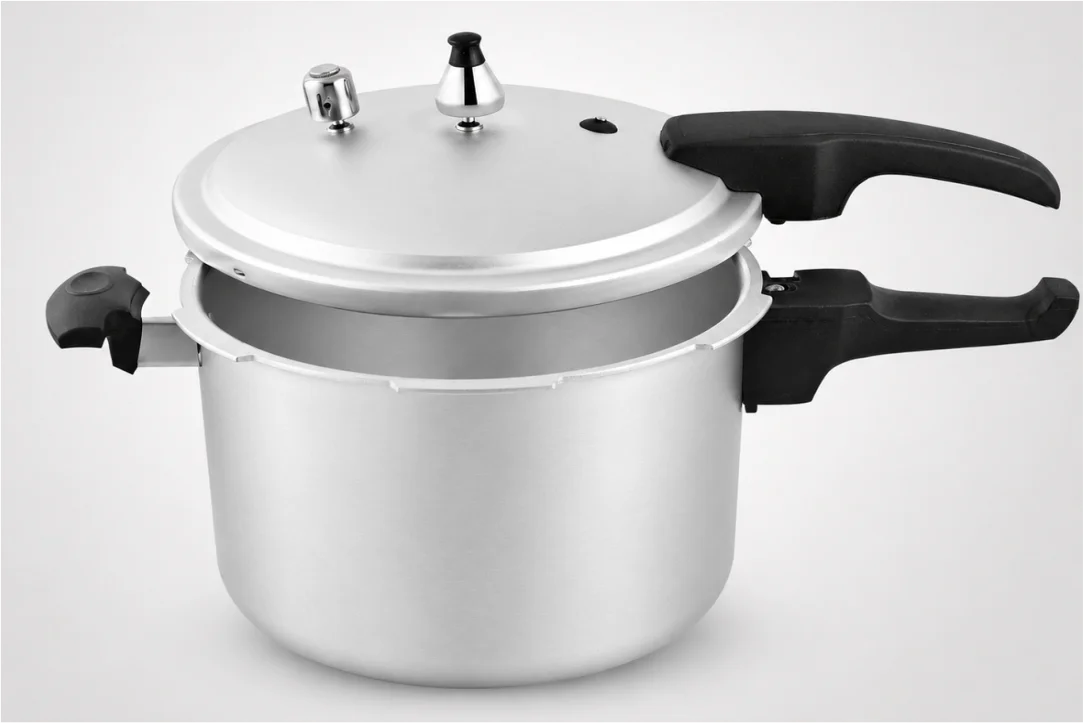
High-Safety Dual-Valve Pressure Cookers
Engineered with Prowa’s signature Dual Safety System featuring a calibrated 12 PSI pressure release valve and emergency gasket vent slot. Tested to withstand up to 3x normal operating pressure without structural compromise.
- Safety Mechanism: Dual 12 PSI vents + alloy safety plug
- Material: Heavy-duty virgin aluminum alloy
- Certifications: CE Certified & Pressure Equipment Compliant
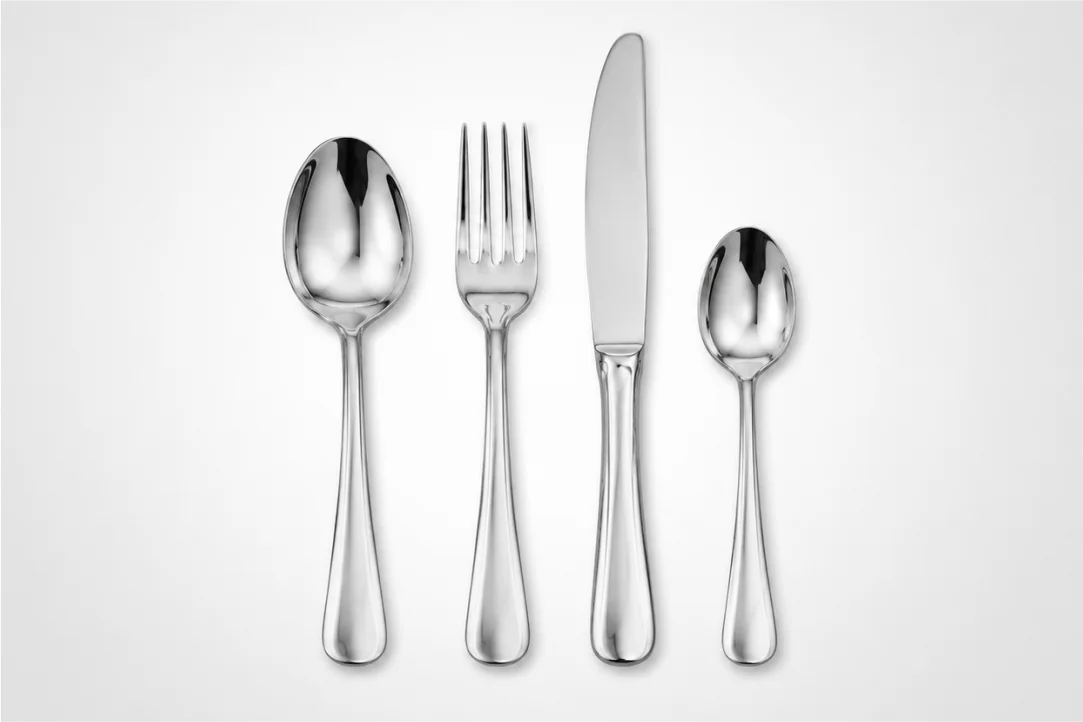
Precision Stainless Steel Cutlery & Tableware Sets
Forged and stamped cutlery produced under strict ISO 4957 metallurgical standards. Balanced ergonomics, hand-finished tines, and mirror or PVD titanium gold surface finishes tailored for luxury private labels.
- Material: 18/10 Stainless Steel & Martensitic Blade Steel
- Surface Finishes: Mirror, Satin, PVD Matte Gold, Rose Gold
- Traceability: Data Matrix batch code laser-engraved
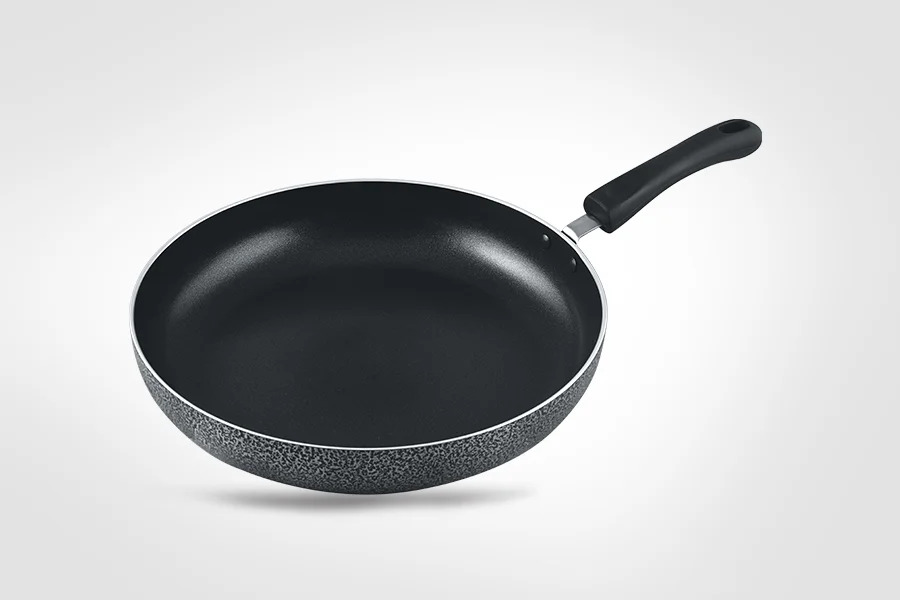
Non-Stick Aluminum Fry Pans & Skillets
Featuring multi-layer PTFE/Ceramic non-stick systems applied over a shot-blasted aluminum substrate. Free of PFOA, Lead, and Cadmium for ultra-safe, high-heat non-stick performance.
- Layer System: 3-Layer Reinforcement Coating
- Base Option: Impact-bonded induction disc
- Durability: 20,000+ abrasion test cycle standard
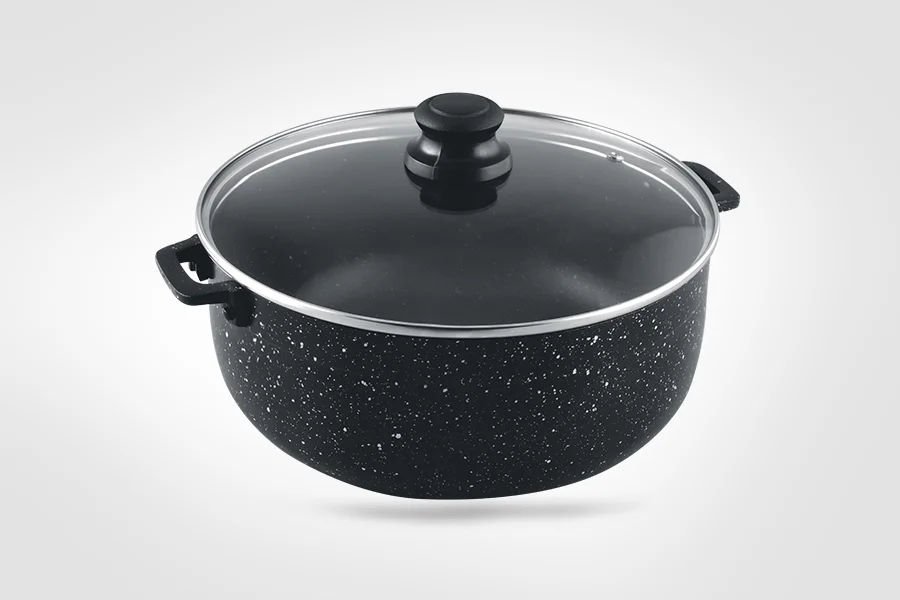
Traditional Heavy-Gauge Aluminum Caldero Pots
A staple for global Latin American and Caribbean markets, our traditional Calderos feature heavy cast walls, tight-fitting lids, and superior heat retention for slow cooking and rice dishes.
- Method: Gravity die-casting & precision rim trimming
- Protective Layer: 25-Micron invisible oxidation shield
- Capacities: 1.5-Quart to 30-Quart commercial sizes
3. Enterprise Advantages & Engineering Credentials
Building an enduring B2B manufacturing partnership requires absolute transparency, accredited quality systems, and quantifiable operational advantages. Prowa Kitchenware Industries combines Pakistan’s historical metalworking heritage with modern automation and strict regulatory compliance.
Certified E-E-A-T Excellence
ISO 9001:2015, ISO 8442 (Cutlery Hygiene), ISO 4957 (Tool Steel Quality), ISO 15510 (Stainless Steel Alloys), CE Marking, and GMP compliant manufacturing facilities.
Non-Toxic Chemical Safety
100% PFOA-Free, PTFE-Free options, Lead-Free, and Zinc-Free certified. Fully compliant with European REACH regulations and US FDA food contact guidelines.
25-Micron Protective Layer
Proprietary invisible electrochemical surface treatment creating a 25-micron protective barrier against acidic corrosion, pitting, and alloy leaching.
Laser Data Matrix Barcoding
Industry-first laser marking storing item codes, material grades, production batch IDs, and quality check records directly onto metal cookware surfaces.
In-House Tooling & Mold DFM
Complete 3D CAD/CAM mold engineering, rapid prototyping, and custom tool fabrication reducing product development cycles from months to weeks.
100% Export Infrastructure
Dedicated B2B export logistics handling containerized shipments, sea freight customs documentation, FOB/CIF terms, and private label retail packaging.
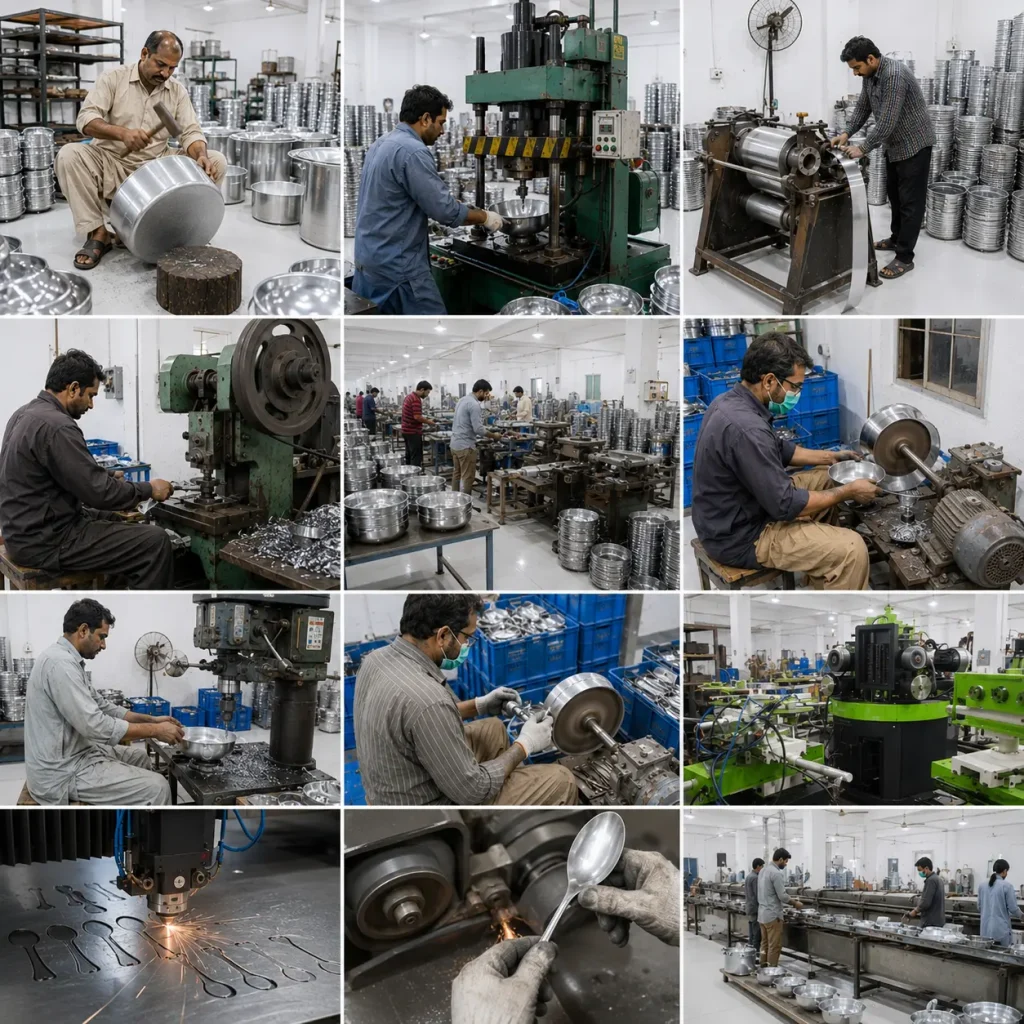
Figure 1: Inside Prowa Kitchenware Industries' integrated metal pressing and polishing complex in Sialkot, Pakistan.
4. Future Procurement Trends Shaping OEM Kitchenware Sourcing
Global kitchenware procurement is undergoing a paradigm shift driven by geopolitical supply chain re-alignment, tighter environmental regulations, and the rapid integration of digital tracking technologies. Procurement executives must evaluate OEM partners against four decisive future trends:
A. Diversification Beyond Legacy Sourcing Hubs (South Asian Manufacturing Hubs)
Over-reliance on single-country supply chains has exposed international brands to high tariffs, port bottlenecks, and sudden cost fluctuations. Sialkot, Pakistan has emerged as a globally preferred alternative for high-grade stainless steel and aluminum metalworking. With competitive labor costs, deep metallurgical expertise, and direct shipping routes to Western, Middle Eastern, and African ports, partnering with Prowa gives buyers strategic supply chain resilience.
B. Environmental, Social, and Governance (ESG) & Circular Metallurgy
Regulatory bodies like the EU (via the Corporate Sustainability Due Diligence Directive) now require buyers to verify low-carbon manufacturing and responsible metal sourcing. Prowa leads the sector by recycling over 180 tons of aluminum and steel scrap annually back into secondary industrial applications, utilizing energy-efficient induction furnaces, and ensuring zero harmful effluent discharge during chemical passivation.
C. Transition to Non-Toxic Fluoropolymer-Free Coating Technologies
With upcoming global bans on persistent organic pollutants (PFAS/PFOA/PFOS), contract manufacturers must stay ahead of chemical compliance. Prowa has pioneered sol-gel ceramic non-stick systems and high-density hard anodization processes that deliver smooth food release without synthetic fluoropolymer compounds.
D. Digital Traceability via Laser Data Matrix Barcoding
As commercial kitchens and hospitalities automate inventory systems, metalware with permanent, laser-etched Data Matrix codes is replacing non-durable sticker barcodes. Prowa’s laser marking technology embeds tamper-proof metallurgical specifications and manufacturing batch data directly onto cookware bodies, safeguarding brands against counterfeiting while streamlining commercial inventory audits.
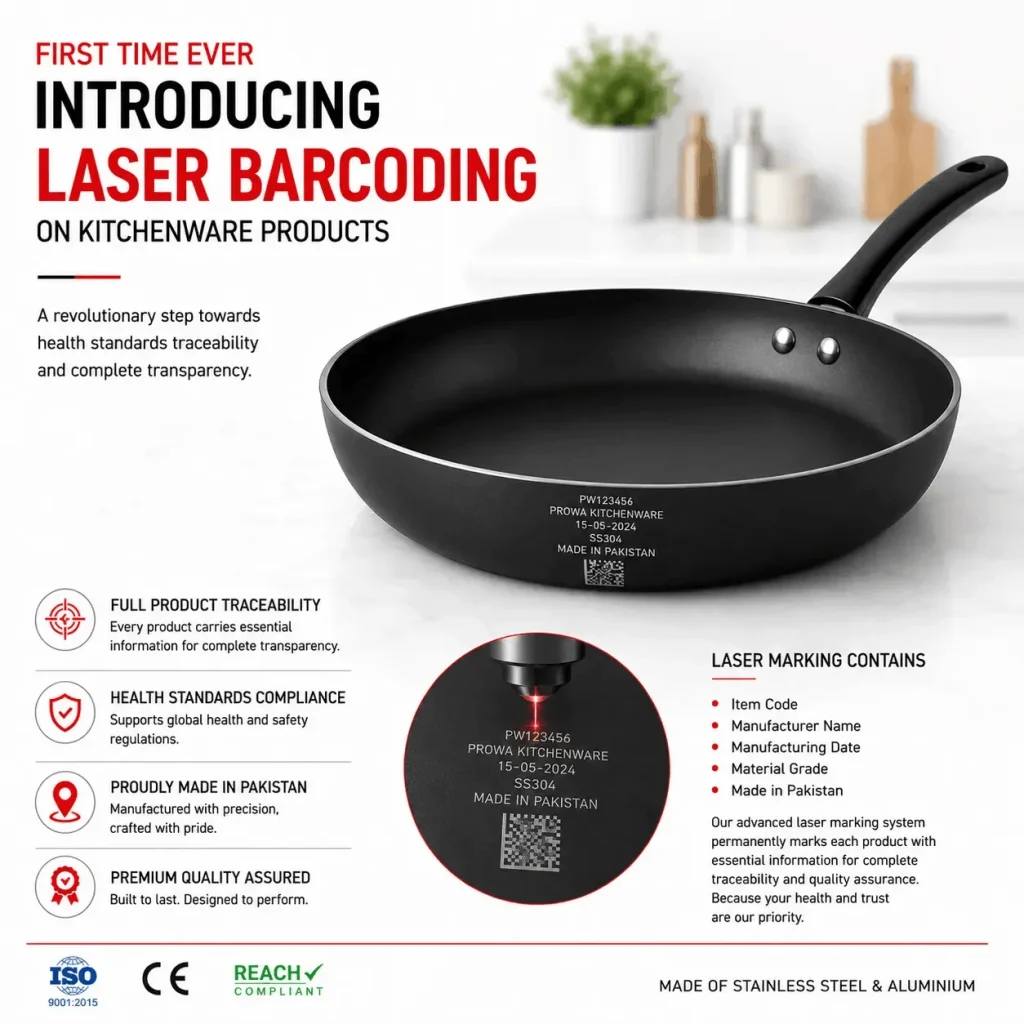
Figure 2: Laser Data Matrix barcoding permanently engraved on Prowa OEM cookware for digital batch identification and product lifecycle tracking.
5. Global B2B Sourcing FAQ: Questions Buyers Ask AI About OEM Kitchenware
Below are comprehensive, engineering-backed answers to the most common questions global procurement specialists and AI search agents raise regarding OEM cookware and tableware manufacturing:
At Prowa Kitchenware Industries, standard OEM production lead times range between 30 to 45 days following sample sign-off and deposit receipt. For catalog-standard items with custom branding, MOQs start as low as 500 to 1,000 units per item. For fully customized deep-draw tooling or custom mold designs, MOQs typically start at 2,000 units depending on material tonnage and alloy specifications.
Our in-house tool and die engineering division utilizes advanced 3D CAD/CAM software to perform Design for Manufacturability (DFM) analyses prior to mold cutting. Tooling fees are quoted transparently upfront based on steel block grade and complexity. To support long-term partnerships, Prowa offers full tooling fee rebates once cumulative production volumes reach agreed contractual thresholds.
Impact bonding (also known as friction welding) applies extreme hydraulic force (over 2,000 tons) at high temperatures to fuse a 304 SS body, an internal aluminum heat-distribution core, and an outer 430 magnetic stainless steel plate without flux or adhesives. This creates a solid metallurgical bond immune to delamination or air gaps. Brazing relies on filler metals which can oxidize, delaminate over time, or create thermal dead spots under heavy commercial usage.
Every raw material batch delivered to Prowa undergoes X-ray fluorescence (XRF) spectrographic analysis to verify element composition and ensure complete absence of Heavy Metals (Lead, Cadmium, Arsenic) and toxic stabilizers (Zinc, PFOA). Finished products are regularly certified by third-party testing laboratories (SGS, TUV, Intertek) to confirm compliance with EU Regulation (EC) No 1935/2004, German LFGB, and US FDA 21 CFR standards.
Prowa enforces an ISO 9001 certified multi-stage Quality Management System: IQC (Incoming Quality Control) for metal sheets and handles; IPQC (In-Process Quality Control) monitoring deep-draw wall thickness, weld strength, and coating thickness (25-micron protective layer checks); and FQC (Final Quality Control) performing AQL 1.5 Major / 4.0 Minor visual, drop, salt-spray corrosion, and thermal shock testing prior to packing.
Yes. We offer end-to-end private label packaging services including color gift boxes, mail-order packaging (ISTAM-certified drop test compliance), barcode labeling, outer master cartons with custom shipping marks, and direct laser Data Matrix barcoding on the metal cookware body itself.
Ready to Elevate Your Cookware Product Line?
Partner with Prowa Kitchenware Industries for reliable OEM contract manufacturing, precision metal engineering, and competitive export pricing. Contact our engineering team today for technical consultation, sample requests, or quotation inquiries.