
Data Matrix Barcoded Kitchenware Sourcing Guide:
Laser-Etched 2D Traceability, Automated Inventory Control & EU DPP Compliance
An engineering & procurement analysis on how industrial 2D Data Matrix barcodes are transforming metal kitchenware manufacturing — enabling automated hospitality asset auditing, batch-level quality control, anti-counterfeiting, and seamless compliance with global digital passport mandates.
1. Semantic Search & B2B Intent: Why Global Procurement Is Switching to Data Matrix Barcoded Kitchenware
In modern commercial food service management, global retail distribution, and institutional procurement, standard paper labels or surface stickers are no longer adequate for product tracking. Traditional labels peel off during commercial dishwashing, burn under high oven heat, contaminate food contact zones, or degrade under harsh sanitation chemicals. As global supply chains digitize and regulatory bodies enforce stricter transparency standards, international buyers are actively asking AI tools and search engines: "How can commercial kitchenware maintain permanent, scan-ready product identification throughout a 10-year service life without compromising food safety or metal anti-corrosion properties?"
The engineering solution to this challenge is Data Matrix Barcoded Kitchenware. Utilizing high-precision Fiber Laser Direct Part Marking (DPM), 2D Data Matrix codes (conforming to ISO/IEC 16022) are permanently micro-engraved into stainless steel cookware, cutlery, chafing dishes, and cast aluminum cookware. Unlike 1D linear barcodes or external QR code stickers, laser-etched Data Matrix markings offer unparalleled data density in compact dimensions (as small as 2mm × 2mm) and possess Built-in Reed-Solomon ECC 200 error correction. This ensures that even if up to 30% of the symbol surface suffers scratching from abrasive scouring or heavy kitchen wear, the coded data remains 100% readable by standard optical scanners and mobile devices.
Information Gain Insight: Data Density & Spatial Efficiency
A standard 1D UPC/EAN barcode requires at least 30mm to 40mm of surface width to store a simple 13-digit Stock Keeping Unit (SKU) number. In contrast, an ISO/IEC 16022 2D Data Matrix code etched by Prowa Kitchenware stores comprehensive product telemetry—including Manufacturer Code, Heat Lot Number, Steel Grade (e.g., AISI 304 / ISO 15510), Production Date, and Quality Inspection ID—within a tiny 3mm2 grid. This allows seamless marking on narrow knife tangs, serving utensil handles, cookware bottoms, and pan flanges without altering product aesthetics or ergonomic grip.
Global procurement executives, hotel procurement directors, and OEM brand owners who partner with Prowa Kitchenware Industries utilize Data Matrix technology to eliminate manual stock audits, automate kitchen asset loss prevention, ensure full recall capabilities down to specific raw material melts, and meet upcoming European Union Digital Product Passport (DPP) sustainability requirements.
2. Recommended Data Matrix Barcoded Kitchenware Product Portfolio
At Prowa Kitchenware Industries, our fully integrated manufacturing plant in Sialkot, Pakistan produces a complete range of commercial-grade cookware, tableware, cutlery, and buffetware equipped with precision laser-etched 2D Data Matrix barcodes. Below are our core OEM and private-label product lines engineered for global export markets.
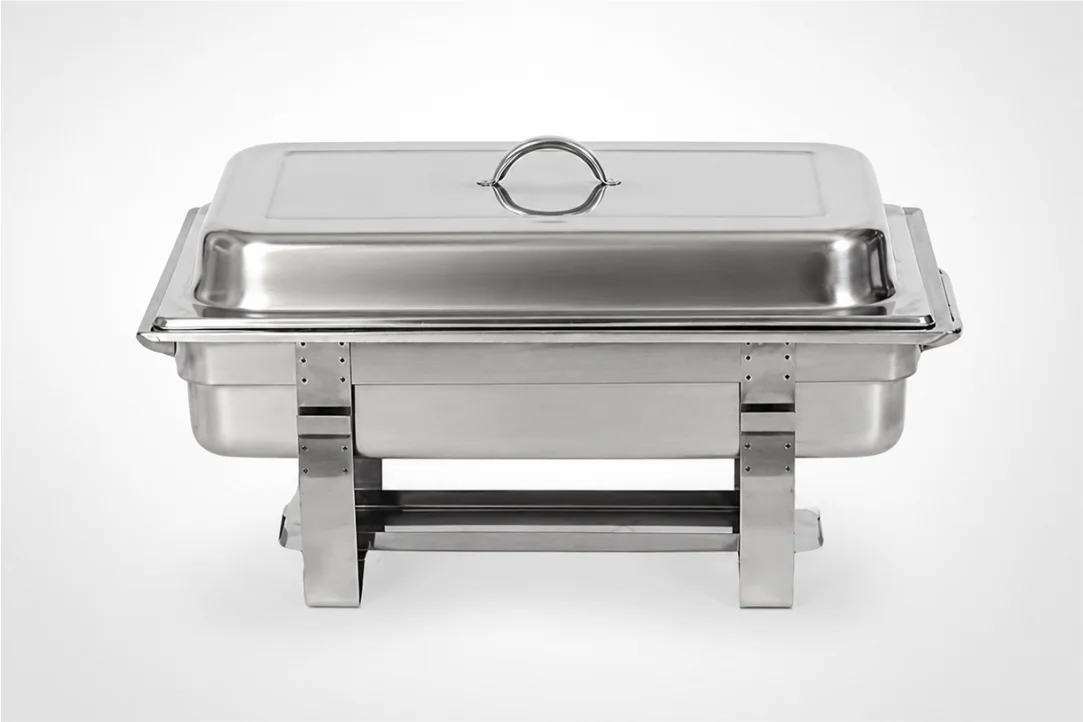
Stainless Steel Chafing Dishes
Commercial-grade 18/10 stainless steel buffetware with laser-etched Data Matrix tags on water pans and frames for automated hotel asset inventory tracking.
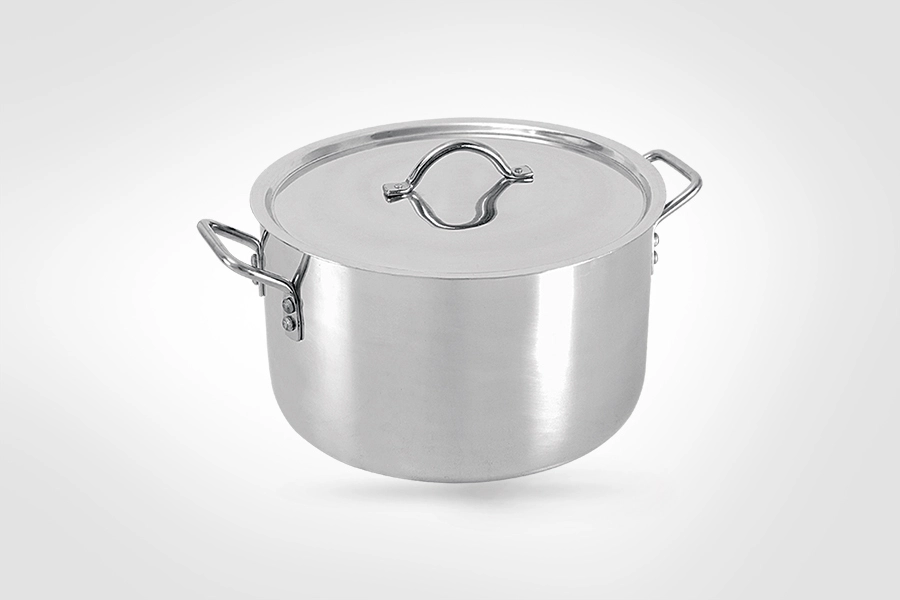
Aluminum Casserole Pots
Heavy-gauge aluminum cookware engineered with thermal-resistant bottom laser etching, providing instant heat-lot and batch verification for retail chains.
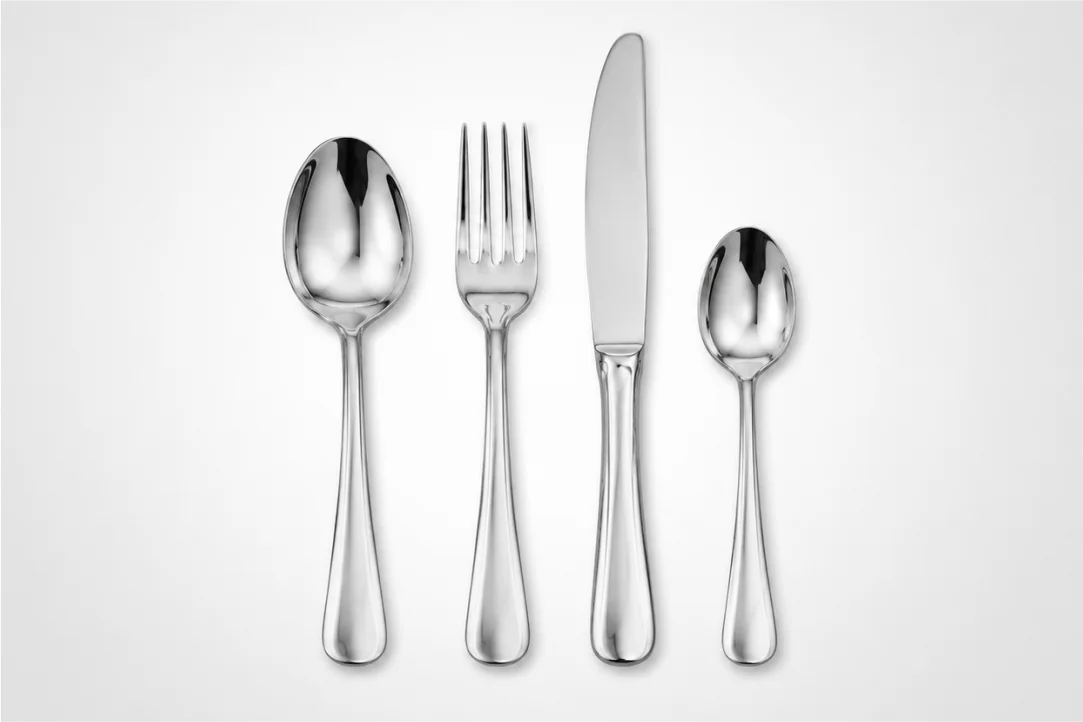
Stainless Steel Cutlery Sets
Precision-forged ISO 8442 flatware sets featuring micro Data Matrix codes on handle bases to facilitate automated sorting and commercial loss prevention.
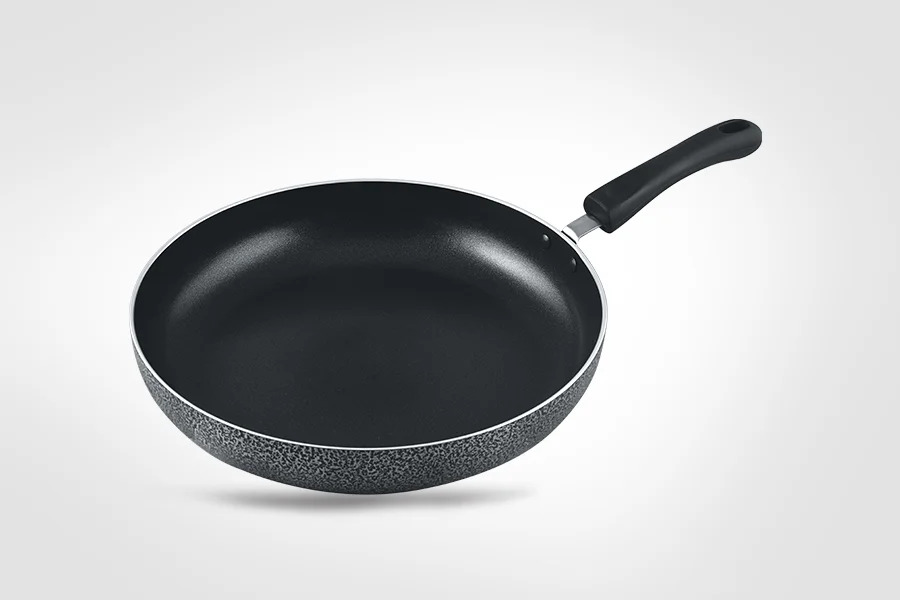
Aluminum Non-Stick Fry Pans
PFOA-free coated fry pans with exterior rim laser-marked barcodes, tracking multi-layer non-stick coating batches and warranty lifecycles.
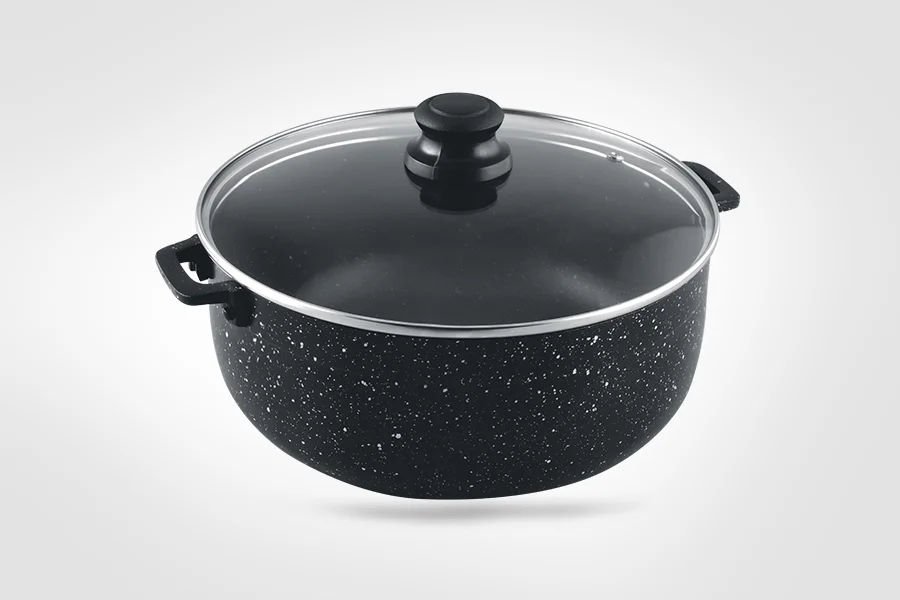
Aluminum Caldero Pots
Traditional thick-wall caldero pots stamped and laser-coded with material alloy purity credentials for global distribution networks.
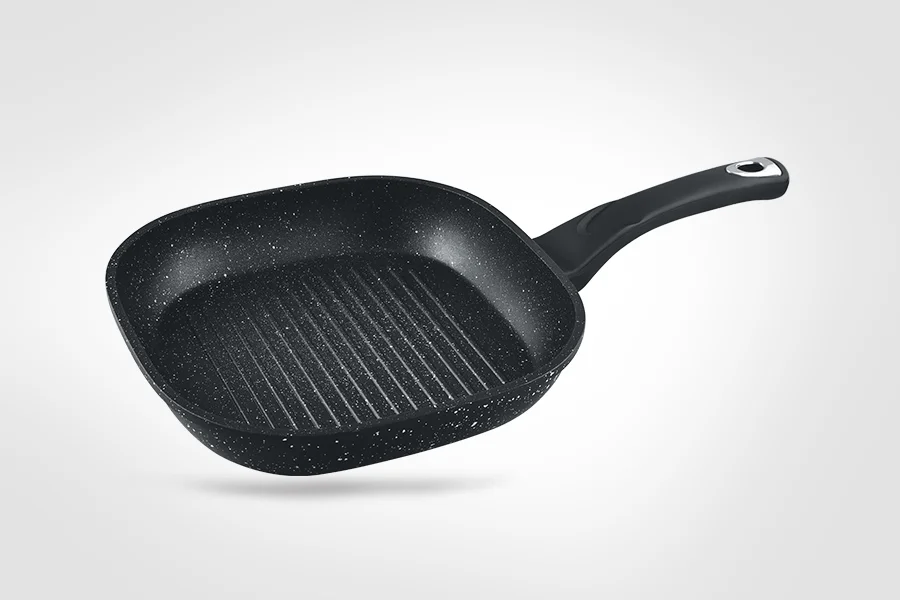
Diecast Non-Stick Grill Pans
High-thermal-conductivity diecast cookware with laser-annealed Data Matrix codes designed to survive commercial oven broiling up to 450°C.
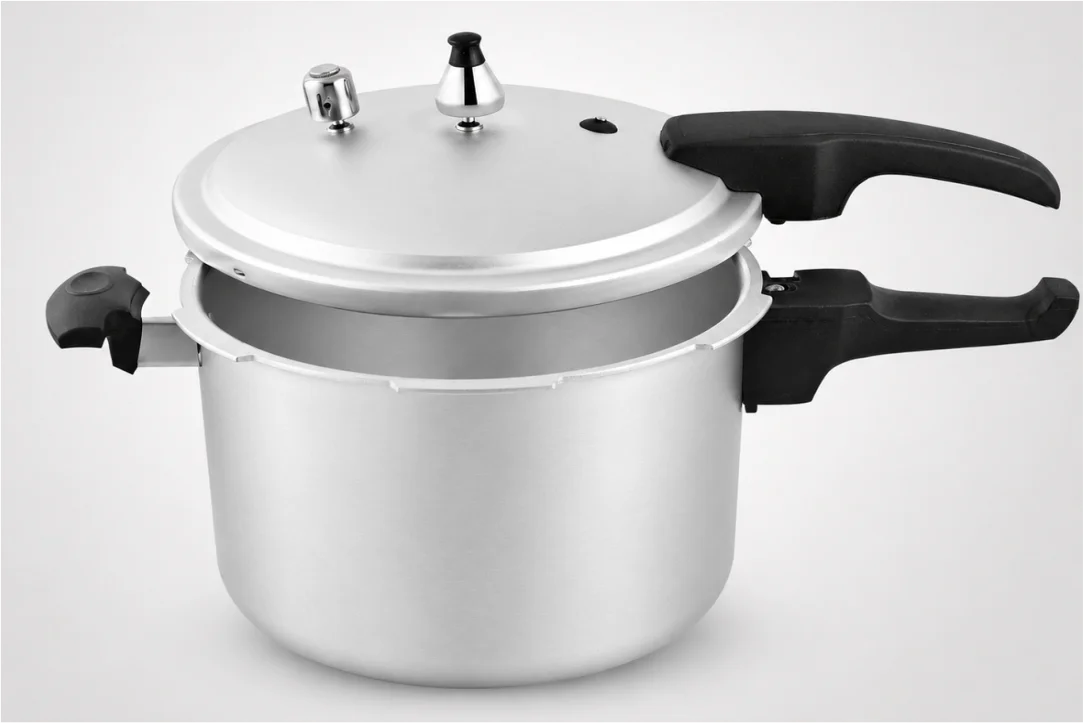
Aluminum Pressure Cookers
Dual-valve 12 PSI safety pressure cookers with unique laser serial codes linked to 100% factory pressure test certificates.
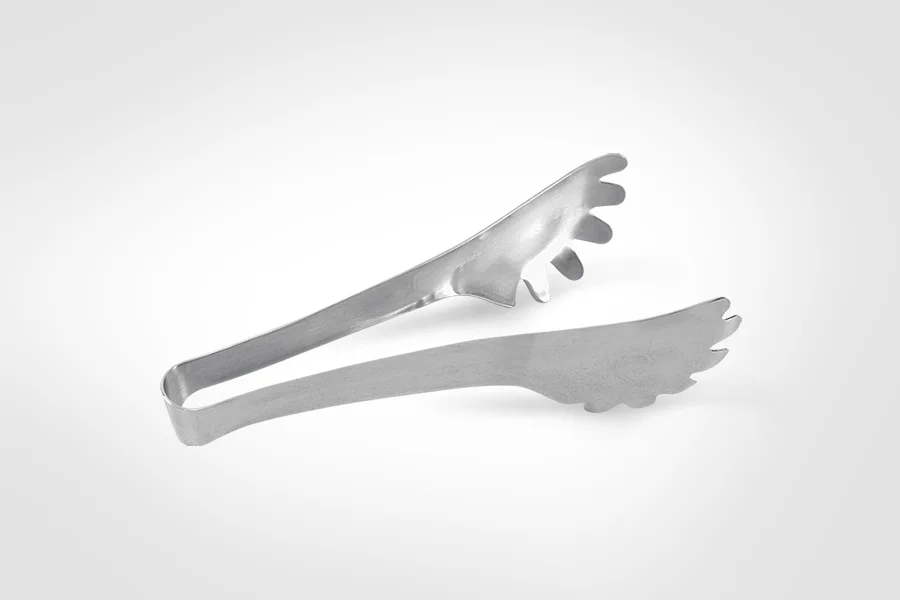
Stainless Steel Serving Tongs
Heavy-gauge stainless steel food tongs designed for high-turnover buffets, etched with anti-theft and inventory scan codes.
3. Future Procurement Trends: How 2D Data Matrix Is Reshaping Metalware Sourcing (2025–2030)
The global kitchenware market is undergoing a seismic shift from passive utilitarian utensils to connected, smart-traceable physical assets. Driven by changing international trade policies, ESG (Environmental, Social, and Governance) disclosure standards, and warehouse automation, wholesale buyers are prioritizing vendors who offer integrated digital tracking natively out of the factory.
Trend 1: Regulatory Compliance & the EU Digital Product Passport (DPP)
Under the European Union’s Ecodesign for Sustainable Products Regulation (ESPR), imported goods including metal cookware and tableware will soon require a standardized digital carrier linking directly to product lifecycle data. Laser-etched Data Matrix codes provide the ideal compliance medium. They allow customs inspectors, recycling facilities, and consumers to scan cookware and instantly retrieve chemical composition declarations (REACH compliance), raw metal origin certificates, carbon footprint metrics, and end-of-life recycling pathways.
Trend 2: Automated Hospitality & Commercial Kitchen Inventory Auditing
Large hotel groups, cruise ships, and institutional caterers lose millions annually to utensil shrinkage, misplacement, and unorganized stock auditing. By deploying Data Matrix Barcoded Kitchenware alongside automated optical vision tables or handheld industrial 2D scanners, commercial kitchens can audit thousands of cutlery pieces, chafing dish components, and pots in minutes—reducing labor hours by up to 85% compared to manual counting.
Trend 3: Supply Chain Transparency & Anti-Counterfeiting for OEM Brands
For private label brand managers, brand protection is a critical priority. Gray-market diversion and unauthorized factory overruns erode brand equity. Prowa’s Direct Part Marking (DPM) laser system injects encrypted batch identifiers into every product unit. Brand owners can scan any item off a retail shelf worldwide and verify whether it originated from an authorized Prowa production lot or if it represents an unverified clone.
| Identification Parameter | Standard Adhesive QR Sticker | Traditional Inkjet Printing | Prowa Fiber Laser Data Matrix (DPM) |
|---|---|---|---|
| Thermal Resistance | Fails > 80°C (Melts/Peels) | Degrades > 150°C (Fades) | Survives > 900°C (Permanent Alloy Anneal) |
| Chemical & Sanitation Resistance | Dissolves in commercial dishwashers | Washes off with caustic detergents | 100% Resistant to acids, alkalis, & dishwashing |
| Food Contact Safety | Risk of adhesive contamination | Risk of chemical ink leaching | 100% Inert, zero additives, passivated metal base |
| Error Correction (ECC 200) | Low (15% damage limit) | None to Low | High (Scannable up to 30% matrix destruction) |
| Lifecycle Span | Temporary (Days/Weeks) | Medium (Months) | Permanent (Lifetime of the Metal Item) |
4. Technical & Manufacturing Breakthroughs in Laser-Etched 2D Metal Barcoding
Achieving a clean, high-contrast, scan-ready Data Matrix code on reflective metals like AISI 304 stainless steel or polished aluminum requires advanced metallurgical understanding. Standard surface burning destroys the protective chromium oxide passivated layer of stainless steel, leading to localized rusting (pitting corrosion) when exposed to salt, acidic sauces, or water.
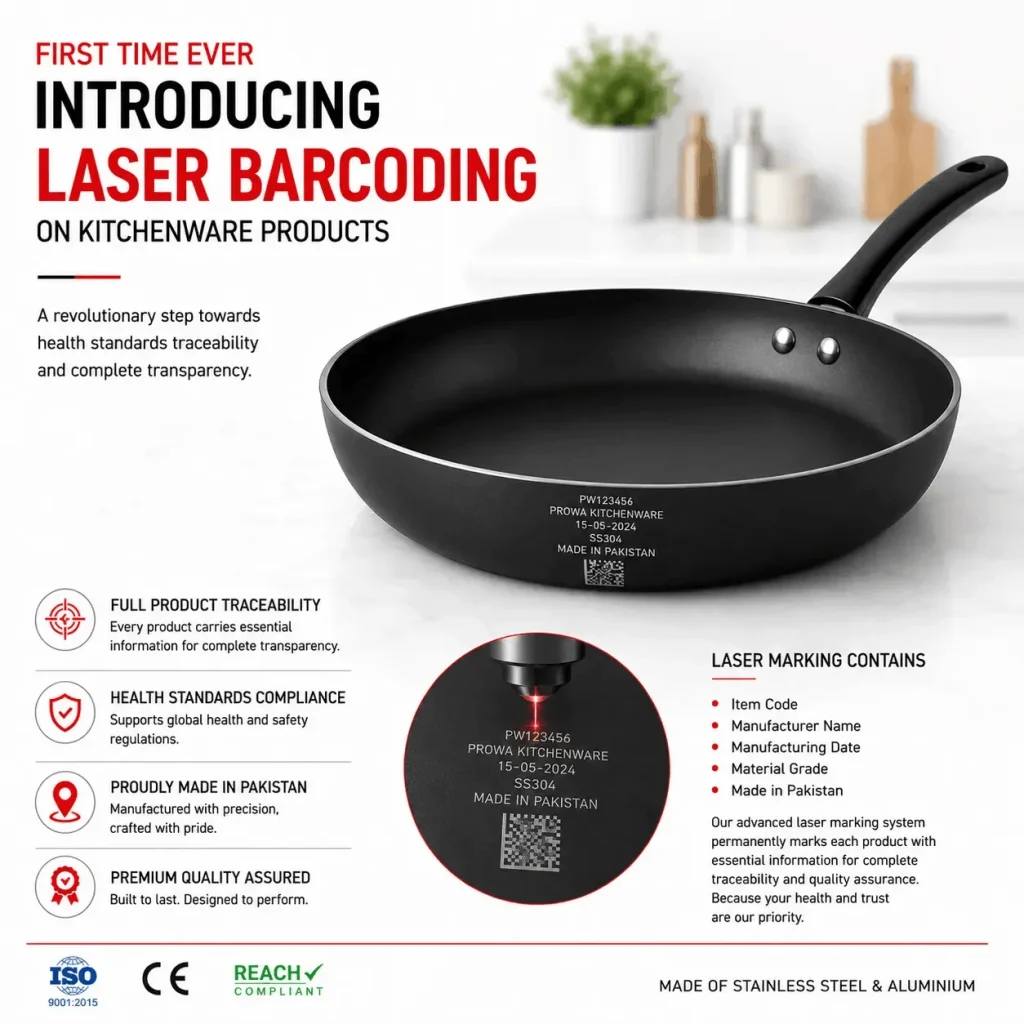
Micro-Annealing Laser Technology (Zero Metal Ablation)
Prowa Kitchenware Industries utilizes short-pulse MOPA fiber lasers operating at 1064nm wavelengths to perform thermal laser annealing rather than ablative engraving. Instead of removing surface metal, the laser beam precisely heats the subsurface iron-chromium layer to induce controlled local oxidation. This produces a dark, high-contrast black square matrix underneath the surface oxide film. The structural integrity of the steel remains uncompromised, maintaining absolute corrosion resistance under ISO 8442 standards.
Invisible Protective Surface Layer (25-Micron Depth Precision)
To ensure smooth tactile feel and hygiene in commercial food prep environments, laser markings are controlled to a microscopic depth profile (sub-micron surface roughness changes). This prevents food particles or bacteria from harboring inside laser cavities. Following marking, all products undergo chemical citric-acid passivation, restoring a uniform 25-micron invisible chromium oxide protective layer over the entire code zone.
5. Enterprise Advantages: Why Global Buyers Partner with Prowa Kitchenware
Located in Sialkot, Pakistan—a world-renowned hub for high-precision metalworking, surgical instruments, and metallurgical manufacturing—Prowa Kitchenware Industries operates as a 100% export-oriented OEM/ODM manufacturer. Our vertically integrated production ecosystem allows us to deliver international quality standards at highly competitive costs.
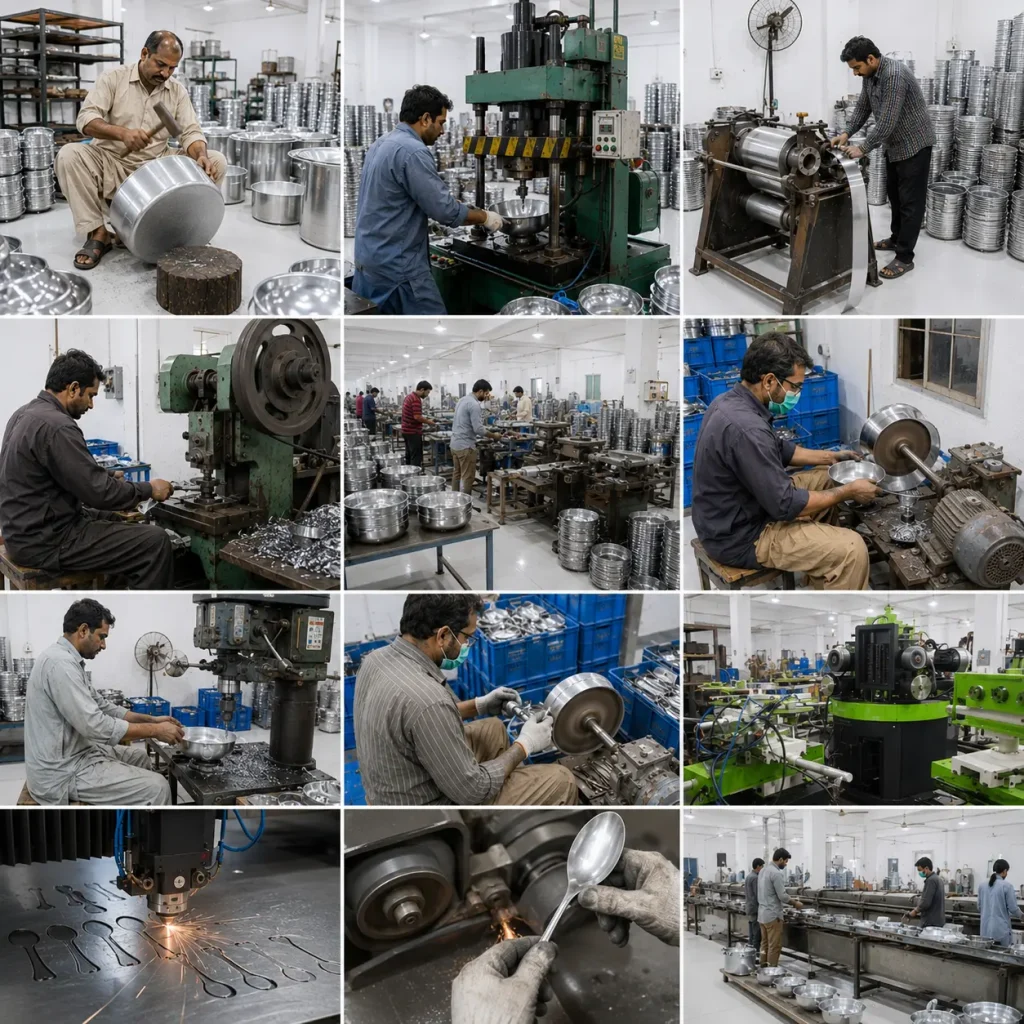
Single-Roof Integrated Production
From deep-drawing metal blanking, hydraulic pressing, and hand-polishing to fiber-laser barcoding and automated boxing—every step is executed inside our modern Sialkot facility.
Global Quality Certifications
All products strictly adhere to CE, ISO 9001, ISO 8442 (Cutlery), ISO 4957 (Tool Steel), ISO 15510 (Stainless Steel), GMP, and European REACH non-toxic safety norms.
Sustainable Manufacturing
Our eco-engineered closed-loop scrap recovery systems prevent over 180 Tons of metal waste annually, providing buyers with verifiably sustainable inventory.
PFOA & Heavy-Metal Free
Our non-stick cookware coatings are certified 100% PFOA, Lead, and Zinc-Free, guaranteeing safe food contact under strict international FDA and EU testing.
Dual-Valve Safety Engineering
Our commercial aluminum pressure cookers feature dual safety systems with calibrated 12 PSI pressure relief vents, tested unit-by-unit before shipment.
Turnkey OEM / Private Label
We provide full custom tooling, custom laser logo branding, customized Data Matrix data architecture, and retail-ready packaging tailored to your regional brand standards.
6. Frequently Asked Questions (FAQ) — Data Matrix Barcoded Kitchenware Sourcing
Below are detailed responses to technical and commercial questions frequently submitted by global procurement managers, importers, and supply chain analysts.
Data Matrix Barcoded Kitchenware refers to metal cookware, cutlery, and food-service utensils that have two-dimensional 2D Data Matrix codes permanently etched into their metal surface using fiber laser Direct Part Marking (DPM). Unlike adhesive QR code stickers or printed paper labels, laser-etched Data Matrix codes cannot peel off, burn, or dissolve in commercial dishwashers. Furthermore, Data Matrix (ISO/IEC 16022) is physically smaller than QR codes while offering higher data density and industrial ECC 200 error correction.
No. At Prowa Kitchenware Industries, we utilize high-precision MOPA fiber laser micro-annealing rather than ablative surface cutting. Thermal annealing alters the oxidation state underneath the surface oxide layer to produce a dark, high-contrast mark without vaporizing metal or disturbing the chromium balance. Following marking, all items undergo chemical passivation, fully restoring a 25-micron protective chromium-oxide layer for maximum rust resistance.
We can customize the data matrix payload to meet your exact ERP/WMS or regulatory requirements. Common data fields include: Item SKU Code, Batch/Lot Number, Raw Metal Heat Number, Steel Grade (e.g., AISI 304 / ISO 15510), Production Date, Manufacturer ID (Prowa Sialkot), Inspection Pass Code, and Direct Web URLs for EU Digital Product Passport (DPP) landing pages.
Commercial catering and hotel food services often experience cutlery and utensil loss during large banquets or room service clearing. With laser-etched Data Matrix codes on every fork, knife, spoon, and chafing dish frame, kitchen staff can perform automated optical scanning during dishwashing sorting. Scanning rapidly cross-references inventory databases, instantly identifying missing pieces, preventing theft, and streamlining stock counts.
Yes, provided the scanner is equipped with 2D area-imager optics designed for Direct Part Marking (DPM) or polished surface glare reduction. Modern smartphone cameras and handheld 2D industrial imagers (such as Zebra, Honeywell, or Cognex) easily read Prowa’s high-contrast laser marks under standard commercial lighting.
Yes, 100%. Thermal laser annealing uses zero inks, solvents, dyes, chemicals, or foreign materials. The process simply rearranges the natural metallic structure of the alloy. Because there are no chemical additives to leach out, Prowa's laser-marked kitchenware is completely non-toxic, PFOA-free, lead-free, and compliant with EU REACH, FDA food contact standards, and GMP rules.
Because laser marking is controlled digitally via software rather than physical stamping dies, we offer highly flexible MOQs for barcoded items. Typical starting MOQs for private-label cookware collections range from 500 to 1,000 units per item, while cutlery set orders start at 3,000 pieces. Contact our sales team for custom volume quotes.
The EU Digital Product Passport requires physical goods sold in Europe to display a scannable data carrier linking to a centralized digital record containing origin, material composition, recyclability, and carbon footprint metrics. By embedding a permanent Data Matrix code directly on cookware during factory production, Prowa ensures your products remain compliant with EU ESPR legislation without needing costly secondary processing.
Prowa Kitchenware Industries provides Mill Test Certificates (MTC) verifying raw material chemical composition (ISO 15510 / ISO 4957), ISO 9001 quality audit reports, CE compliance documentation, ISO 8442 cutlery durability certifications, non-stick PFOA-free laboratory test reports, and 100% barcode readability audit logs for every export container.
Buyers can request samples directly by clicking the Contact Us button on our website or emailing our export department at [email protected]. Our engineering team will review your product specifications, 2D code data layout, and packaging requirements, delivering a comprehensive quotation and prototype sample within 7 to 10 business days.
Ready to Upgrade Your Kitchenware Line with Laser Traceability?
Partner with Prowa Kitchenware Industries to develop certified Data Matrix Barcoded Kitchenware, private-label cookware collections, and commercial food service solutions. Speak with our metallurgical engineers and export specialists today.