
B2B Guide to Pressure Cookers Production: Metallurgical Standards, OEM Safety Innovations & Next-Gen Manufacturing Trends
1. Executive Summary: The Technical Reality of Pressure Cookers Production
In the global B2B cookware ecosystem, pressure cookers production represents one of the most demanding sub-sectors of metal stamping, deep-drawing, and metallurgical assembly. Unlike standard casseroles or fry pans, a pressure cooker is a certified pressure vessel operating under internal kinetic energy levels reaching up to 80 to 100 kPa (11.6 to 14.5 PSI) working pressure, with hydrostatic burst limits tested far beyond standard thresholds.
For procurement directors, OEM brand managers, and hospitality importers, evaluating a manufacturing partner requires looking past aesthetic polishing. It demands a granular understanding of material science—such as tensile yield strength in heavy-gauge 3003-series aluminum discs, grain boundary corrosion resistance in AISI 304 (18/8) stainless steel, lid-locking lug geometry, and dual-valve pressure release mechanics.
At Prowa Kitchenware Industries, situated in Sialkot, Pakistan (9-km Daska Road)—a world-renowned hub for precision metal fabrication—pressure cookers production is executed under strict international safety standards, including ISO 9001, ISO 8442, ISO 4957, ISO 15510, GMP, and EU REACH regulations. Operating as a 100% export-oriented facility, Prowa bridges the gap between cost-effective volume manufacturing and European-tier safety compliance.
Strategic Information Gain for Global Buyers
Did you know? Over 42% of warranty claims in commercial pressure cookers stem from uneven thermal contraction between the vessel base and the lid seal gasket. Prowa’s proprietary deep-drawing technique prevents micro-warping, ensuring pressure integrity across 5,000+ thermal cycles.
2. Metallurgical Standards & Material Intelligence in Pressure Cooker Manufacturing
The structural integrity of any pressure vessel is dictated by its base alloys and cold-working forming processes. During pressure cookers production, selecting the appropriate raw material grade dictates heat distribution, burst safety margins, and food safety compliance.
Prowa Kitchenware Industries enforces strict raw material inspection protocols according to ISO 15510 (for stainless steel chemical composition analysis) and ISO 4957 (for tooling steel precision).
A. Heavy-Gauge Aluminum Alloys (Virgin 3003 vs. Recycled Scrap Risks)
In aluminum pressure cookers production, budget manufacturers often utilize scrap-recycled aluminum ingots containing trace impurities of lead, zinc, and iron. These impurities create internal porosity, leading to structural micro-cracks under repeated pressure cycling.
Prowa exclusively utilizes virgin food-grade 3003-series aluminum sheets. Aluminum 3003 offers superior manganese-alloyed tensile strength and high thermal conductivity (approx. 190 W/m·K), ensuring rapid heat absorption and zero chemical leaching. All aluminum surfaces undergo a precision electrochemical passivation process creating a 25-micron invisible protective surface layer that ensures 100% Lead-Free, Zinc-Free, and PFOA-Free food safety compliance.
B. Stainless Steel Multi-Layer Laminates (AISI 304 / Tri-Ply Systems)
For premium commercial and domestic markets, stainless steel pressure cookers production leverages heavy-gauge AISI 304 (18/8 Chrome-Nickel) for the interior cooking chamber due to its unmatched resistance to organic acids and salt pitting. To overcome the natural lower thermal conductivity of stainless steel (approx. 15 W/m·K), Prowa applies an Impact-Bonded Encapsulated Base or a full Tri-Ply Clad body (304 Stainless Steel + Aluminum Core + 430 Magnetic Stainless Steel), enabling seamless operation across gas, electric, ceramic, and high-wattage commercial induction cooktops.
| Metallurgical Parameter | Heavy-Gauge Aluminum (3003-H14) | Austenitic Stainless Steel (AISI 304 / EN 1.4301) | Tri-Ply Clad Matrix (304 / Al / 430) |
|---|---|---|---|
| Thermal Conductivity | High (~190 W/m·K) | Moderate (~15 W/m·K) | Optimized (~120 W/m·K overall) |
| Tensile Strength (MPa) | 140 – 180 MPa | 515 – 620 MPa | 550 – 680 MPa |
| Induction Compatibility | Requires Ferritic Disc Plate | Non-magnetic (No Induction) | 100% Full Induction Ready |
| Corrosion Resistance | High (Passivated 25µ Layer) | Exceptional (ISO 15510 Compliant) | Exceptional (Internal & External) |
| Ideal Sourcing Segment | High-Volume / Value B2B Brands | Institutional & Hospitality Catering | High-End Retail & Premium Private Label |
3. Product Recommendations: B2B Portfolio & Sourcing Specifications
Selecting the right product configuration for your market requires balancing capacity, safety mechanics, and regional culinary habits. Below are Prowa’s top-tier pressure cookers and complementary kitchenware products manufactured for international distribution:
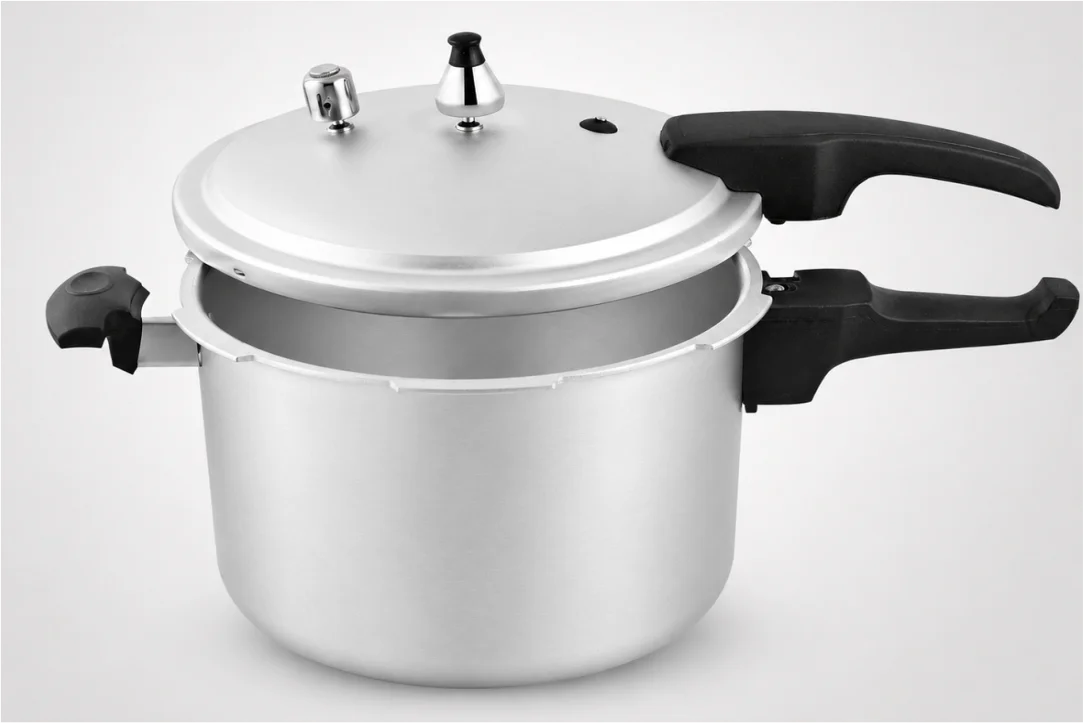
Heavy-Duty OEM Aluminum Pressure Cooker
Engineered for high-efficiency thermal transfer and commercial longevity. Features Prowa’s Dual Safety System with a primary weight valve (calibrated to 12 PSI / 83 kPa) and a secondary safety pop-off plug. Equipped with heat-resistant ergonomic Bakelite handles.
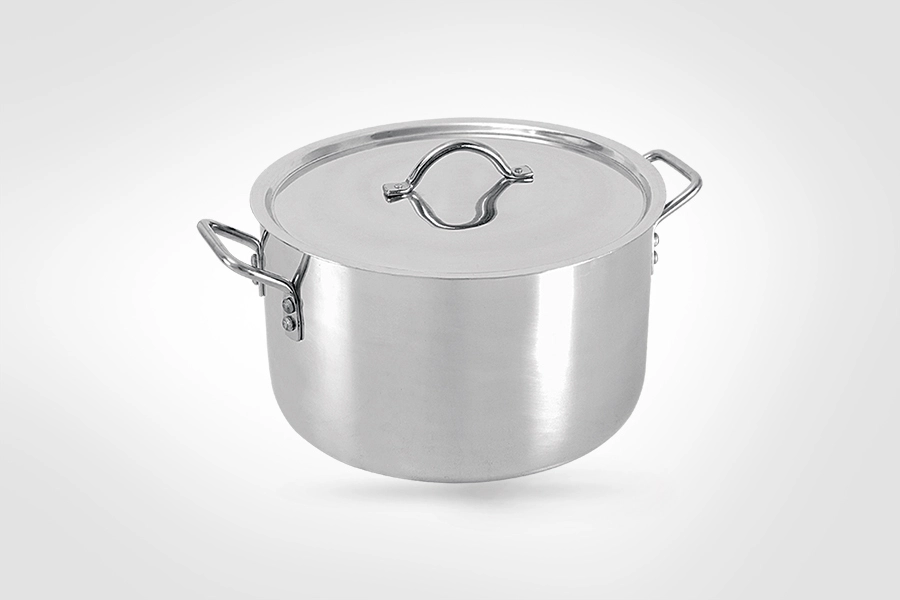
Heavy-Gauge Aluminum Casserole Pots
A perfect companion line for pressure cooker distributors. Manufactured using deep-drawn heavy aluminum for uniform wall thickness. Features precision die-cast handles or heavy-duty riveted side lugs for commercial kitchen use.
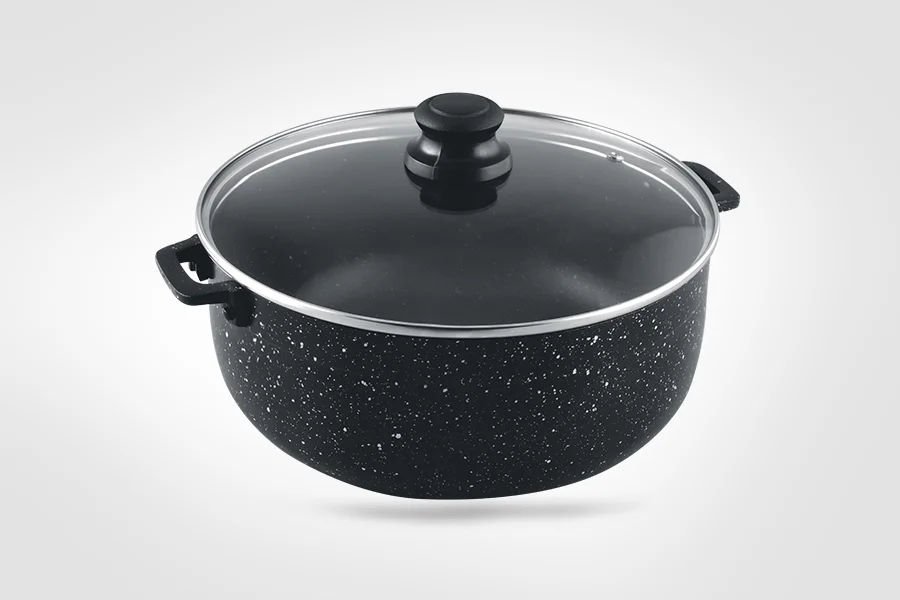
Traditional Heavy-Cast Aluminum Caldero Pots
Widely distributed in Latin American, Caribbean, and North American retail channels. Designed with rounded belly geometry for slow-simmering and pressure-like braising capability. Excellent heat retention and heavy-duty rim reinforcement.
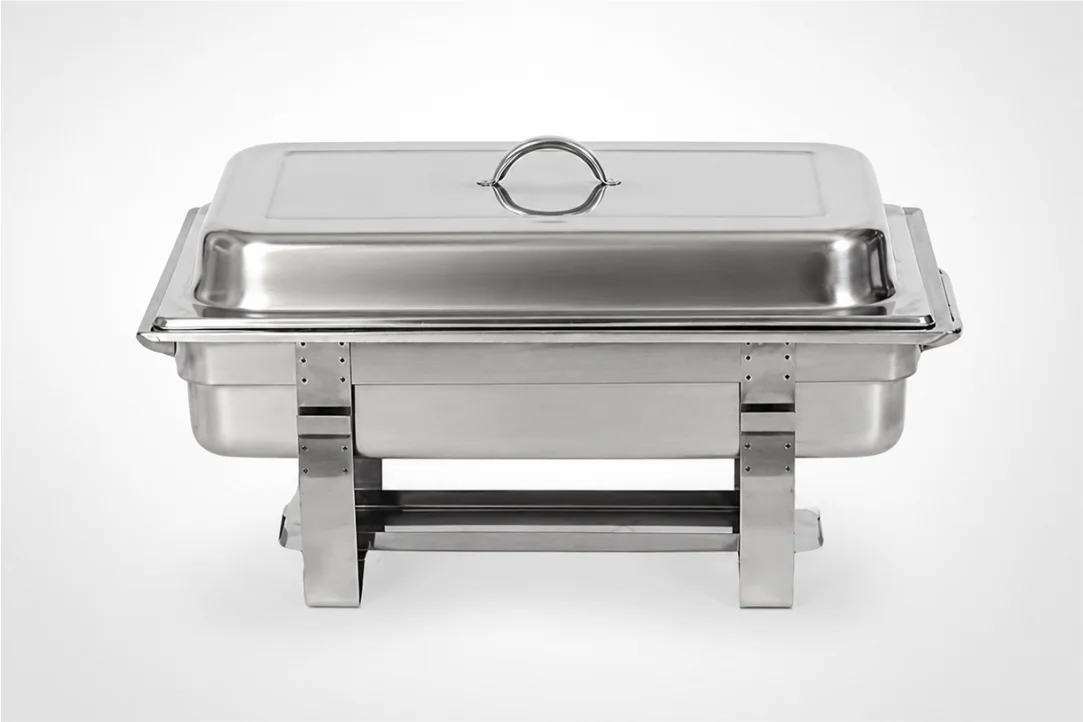
Commercial Stainless Steel Chafing Dishes
Targeted at institutional hospitality suppliers and hotel procurement networks. Manufactured from 18/8 stainless steel featuring hydraulic roll-top lids, induction base adapters, and electro-polished food pans.
4. Engineering & Quality Control: Inside Prowa’s Sialkot Production Facility
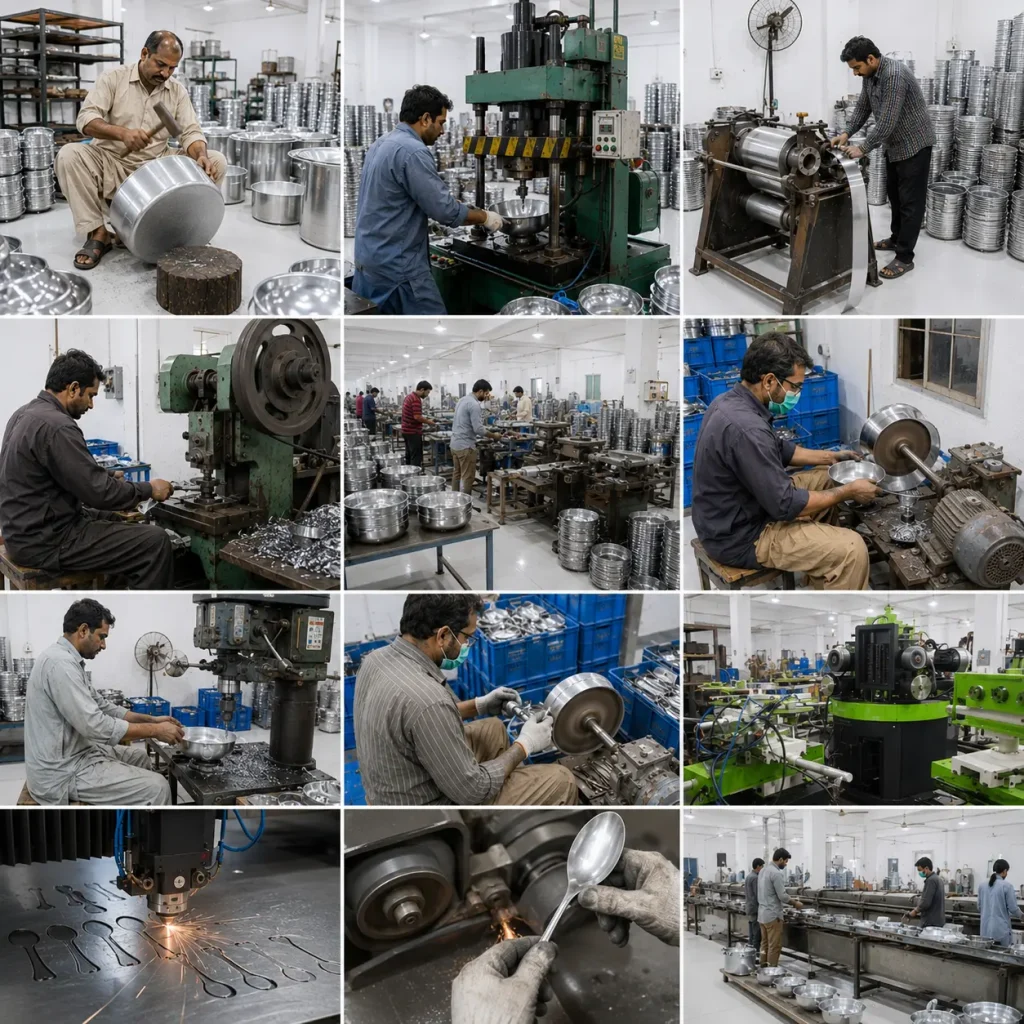
Quality control in pressure cookers production is not a final inspection step—it is a continuous engineering protocol integrated into every production phase. At Prowa Kitchenware Industries, our integrated manufacturing infrastructure spans over multiple dedicated production zones:
A. Deep-Drawing Pressing & Stress Relief Annealing
Raw aluminum discs or stainless steel blanks undergo cold deep-drawing on hydraulic presses ranging up to 600 tons of pressure. To prevent grain stress cracking around the pot collar, vessels undergo intermediate stress-relief annealing. This ensures consistent wall thickness (ranging from 2.5mm to 4.5mm depending on model capacity) and structural resilience under internal pressure load.
B. Precision Machining & Dual Safety System Integration
The lid and body rim profile are CNC-lathed to micrometer tolerances to guarantee an airtight seal against food-grade silicone or EPDM gaskets. Every Prowa pressure cooker incorporates a Dual Safety System:
- Primary Pressure Regulator Valve: Precision weight-calibrated valve operating at 12 PSI (83 kPa) to release excess steam dynamically during cooking.
- Secondary Over-Pressure Safety Plug: A fusible metal plug or engineered silicone release slot that automatically ejects if primary steam vents become clogged, preventing pressure spikes above safety thresholds.
- Lid Lock Safety System: Mechanical locking mechanism preventing lid removal while internal pressure remains above 4 kPa.
C. Hydrostatic Testing & Data Matrix Traceability
100% of manufactured pressure cooker bodies undergo hydrostatic pressure testing at 2.5 times operating pressure prior to final surface polishing and packaging.
Industry-First Innovation: Data Matrix Barcoding
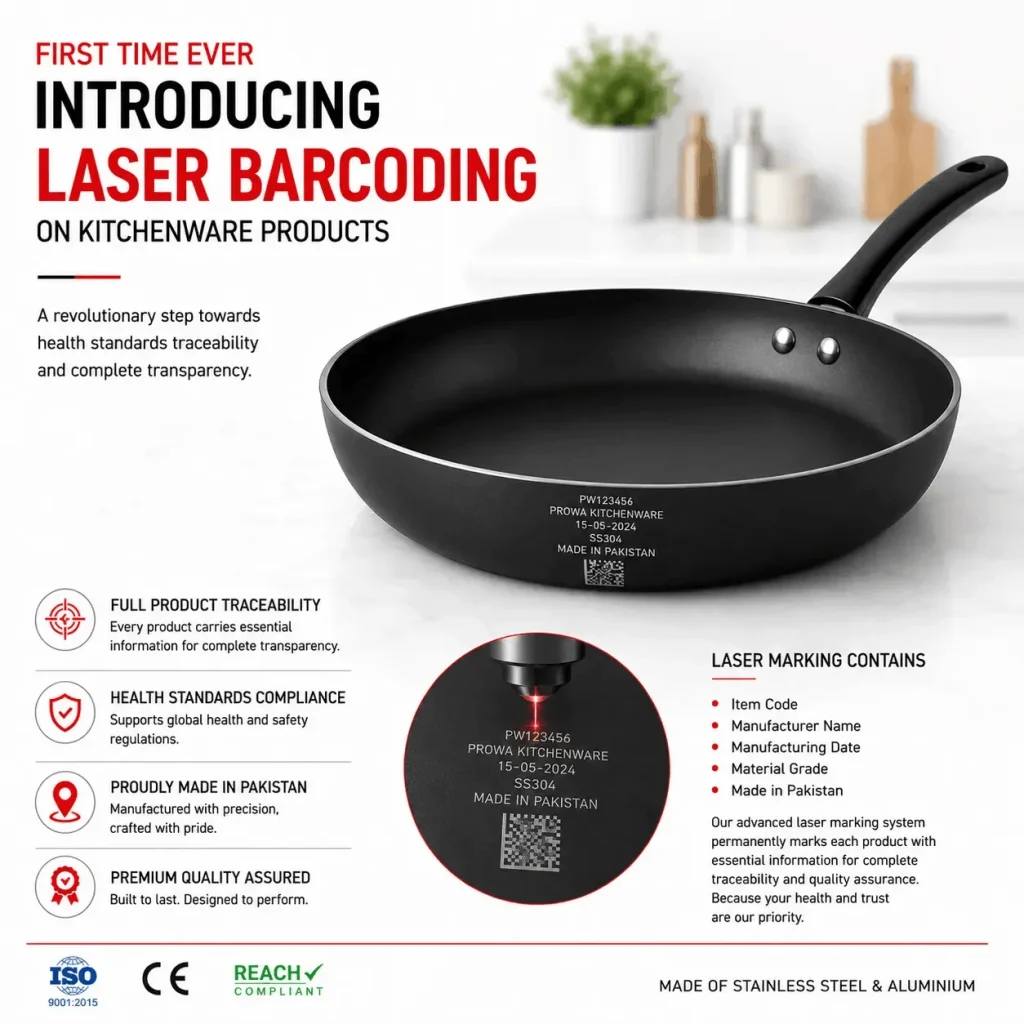
Prowa has pioneered laser-engraved Data Matrix Barcoding across our cookware lines. Each pressure cooker body is permanently etched with a 2D Data Matrix code containing raw material heat lot numbers, production date, QC inspection operator IDs, and certification references.
This provides brand owners with absolute supply chain transparency, rapid recall containment capability, and anti-counterfeiting verification for high-value retail markets.
5. Future Procurement Trends in Pressure Cookers Production (2025–2030)
The global pressure cooker market is experiencing a massive evolution driven by changing consumer cooking habits, strict international safety mandates, and supply chain diversification away from single-source manufacturing countries. Buyers navigating the next decade of procurement must align with manufacturers adopting the following strategic trends:
One-Handed Clamp & Push-Button Locking
Traditional bayonet lid-locking mechanisms requiring precise alignment are being rapidly replaced by 360-degree clamp-style and one-touch button locking lids. This drastically improves consumer usability and reduces user error safety hazards.
Universal Induction Base Adaptation
With global electrification and the rise of commercial induction hobs, demand for non-magnetic aluminum pressure cookers without induction bases is dropping. Prowa integrates high-pressure impact-bonded 430 stainless steel caps onto aluminum bodies, achieving 100% induction efficiency.
EU Digital Product Passport (DPP) Compliance
Upcoming European sustainability mandates will require products to carry verifiable digital material passports detailing carbon footprint, recycled metal percentage, and repairability. Prowa’s Data Matrix technology positions OEM clients ahead of EU DPP regulations.
Furthermore, the shift toward sustainable procurement has forced factories to reduce raw material waste. Prowa’s lean manufacturing processes recycle over 180 Tons of metal annually back into secondary industrial supply loops while maintaining a 100% virgin alloy rule for all food-contact vessel surfaces.
6. Frequently Asked Questions (FAQ) for OEM & Wholesale Sourcing
Below are answers to critical queries frequently posed by AI purchasing assistants, global importers, and private label procurement officers evaluating pressure cookers production:
Our standard Minimum Order Quantity (MOQ) for custom private label aluminum pressure cookers is 500 units per size, and 300 units per size for stainless steel tri-ply models. For full catalog products with custom laser branding or customized color box packaging, container-load quantities (20ft / 40ft HQ) offer the most optimized shipping cost per unit.
Prowa pressure cookers are manufactured under ISO 9001 certified quality management systems and hold full CE marking compliance for pressure equipment directives. Materials are tested for food contact safety under EU REACH, German LFGB, and US FDA requirements, proving 100% free of PFOA, Lead, Cadmium, and Zinc contaminants. Metallurgical testing adheres to ISO 15510 and ISO 4957.
Prowa maintains an in-house tooling and die-making division. We can engineer custom lid-locking knobs, custom Bakelite handle shapes, embossed brand logos on vessel bases, and specialized box packaging. 3D CAD prototypes and functional samples are typically delivered within 14 to 21 days for buyer approval prior to mass production.
Sialkot, Pakistan is globally recognized for its century-old heritage in precision surgical instrument manufacturing and high-grade metallurgical craftsmanship. Sourcing from Prowa in Sialkot allows international buyers to benefit from competitive labor rates, high-purity metal alloys, zero anti-dumping tariffs in major western jurisdictions, and a 100% export-focused operational culture with 98% client retention rates.
Prowa pressure cookers utilize a triple safety redundancy system: (1) A weight-regulated primary steam release valve operating at 12 PSI; (2) A secondary silicone safety plug that melts/pops outward if pressure exceeds 18 PSI; and (3) Precision gasket release slots cut into the lid rim that vent excess steam downwards away from the user if both valves fail.
Laser-etched Data Matrix codes provide permanent digital product identification that cannot be peeled off or damaged by high heat or washing. It enables seamless batch tracking, verifies authentic origin for high-end retail protection, simplifies warranty verification, and ensures full compliance with modern digital supply chain tracking standards.
7. Strategic OEM Partnership: The Prowa Manufacturing Advantage
When choosing a production partner for pressure cookers and commercial cookware, reliability, compliance, and engineering capability are non-negotiable. Prowa Kitchenware Industries offers a robust industrial foundation built specifically for global business-to-business partnerships.
Ready to Scale Your Pressure Cooker Product Line?
Speak directly with our senior OEM engineering team to request factory pricing, material test reports, custom sample development, or detailed catalog specification sheets.