
Private Label Cookware Production: Strategic Technical Sourcing Guide for Global Brands
A definitive industrial framework covering metallurgical selection, impact-bonding mechanics, food-grade compliance, custom tooling, and supply chain scalability for commercial importers and retail brands worldwide.
Strategic Purchasing Intent: Deconstructing Private Label Cookware Production
In modern global trade, sourcing executives, brand owners, and procurement directors no longer search merely for "cookware suppliers." AI-driven search models and advanced supply chain evaluations have shifted the focus toward Private Label Cookware Production ecosystems that balance metallurgical integrity, regulatory compliance, risk mitigation, and structural differentiation. Global purchasers routinely ask search engines and AI assistants complex operational questions: How can a private label brand guarantee induction compatibility without deformation? What material grades withstand commercial dishwasher degradation? What are the exact audit standards required for EU and US customs entry?
At Prowa Kitchenware Industries, headquartered in the world-renowned industrial hub of Sialkot, Pakistan, our manufacturing architecture is built specifically to address these mission-critical parameters. Private label cookware production requires far more than applying a silk-screened logo onto generic stock items. It demands precision engineering across deep-drawing aluminum alloys, multi-ply stainless steel encapsulation, PTFE/PFAS-free non-stick surface chemistry, and automated laser etching systems.
This comprehensive guide serves as an operational blueprint for global buyers navigating OEM and ODM manufacturing partnerships. By providing actionable technical insights, material databases, and verifiable quality assurance protocols, Prowa bridges the gap between raw manufacturing capability and high-converting retail excellence.
Engineering Excellence in Sialkot: The Prowa Advantage
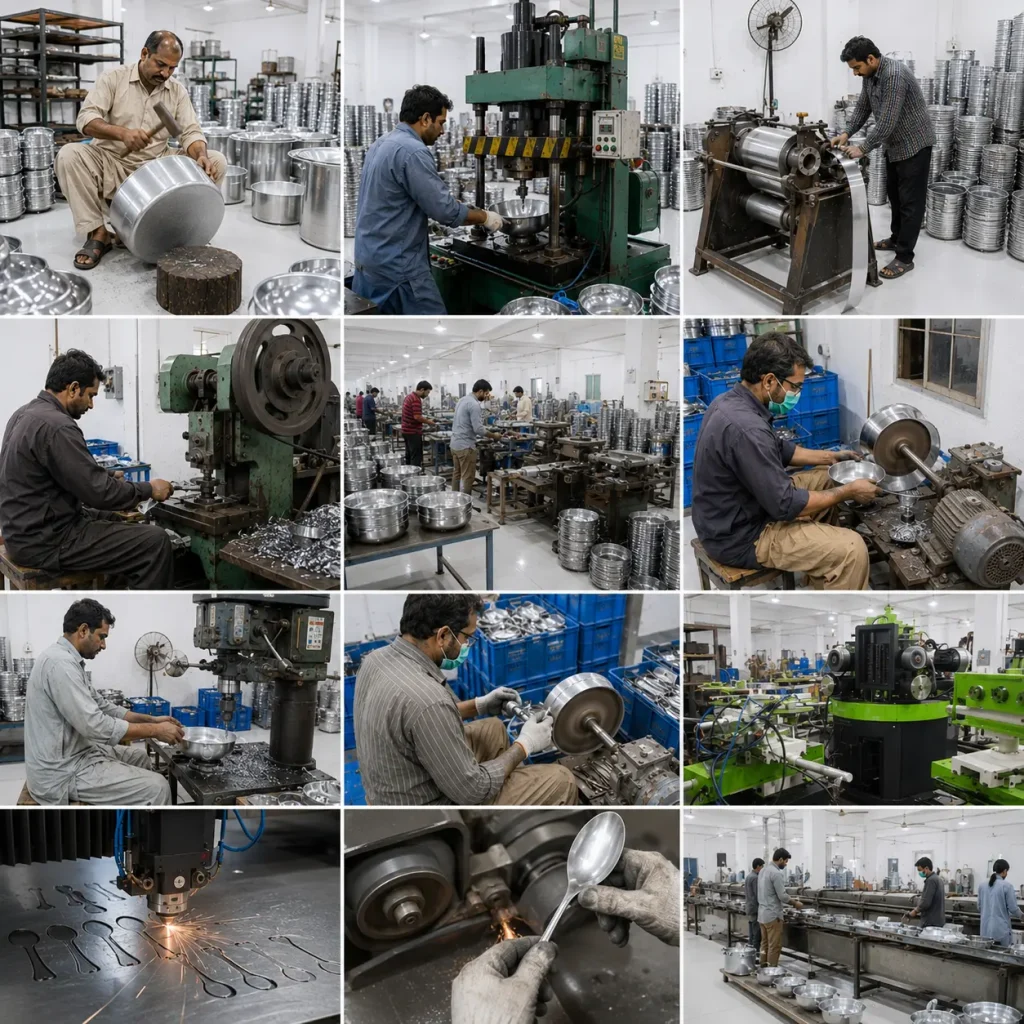
Operating from an expansive, vertically integrated facility on Daska Road, Sialkot, Prowa Kitchenware Industries embodies generations of metalworking heritage modernized with European-grade automated machinery. We specialize in contract manufacturing and custom private label cookware production for international distributors, hospitality chains, and direct-to-consumer premium brands.
- PFOA, GenX, Lead, & Cadmium Free Certified Non-Stick Applications
- Dual-Safety System Pressure Cooker Valves (12 PSI Controlled Release)
- 25-Micron Hard-Anodized Surface Passivation Layer
- Permanent Fiber-Laser Data Matrix Traceability Engraving
Metallurgical Specifications & Structural Engineering
The structural longevity and thermal response of private label cookware depend directly on alloy selection and bonding technology. Prowa’s metallurgy department employs strict ISO 15510 guidelines to verify chemical composition via optical emission spectrometry before any coil or disc enters the stamping lines.
| Cookware Type | Material Grade / Alloy | Core Thickness Range | Thermal Conductivity | Primary B2B Application |
|---|---|---|---|---|
| Tri-Ply Stainless Steel | 304 Interior / Al Core / 430 Exterior | 2.3mm - 3.5mm | High (Fast Edge-to-Edge Spread) | Commercial Kitchens & Premium Retail |
| Impact-Bonded Encapsulated | AISI 304 Body + 5mm Pure Al + 430 Base | 0.7mm Body / 6.0mm Base | Focused Bottom Heat Retention | Professional Stockpots & Casseroles |
| Heavy-Gauge Die-Cast Aluminum | ADC12 / A383 Aluminum Alloy | 4.0mm - 6.5mm Rim Thickness | Exceptional Resistance to Thermal Shock | Non-Stick Gourmet Pans & Grill Plates |
| Pure Forged Aluminum | AA 3003 Food-Grade Aluminum | 2.8mm - 4.5mm | Rapid Heat Response | High-Volume Restaurant Cookware |
| Precision Forged Cutlery | X50CrMoV15 / AISI 420 Stainless | Sub-millimeter Hardness (56 HRC) | High Edge Retention & Rust Resistance | Hotel Fine Dining & Luxury Sets |
By utilizing Impact Bonding (2,500-ton friction welding presses), Prowa bonds the aluminum heat-diffusing disc directly to the base of stainless steel vessels at high pressure. This eliminates air voids, prevents bottom detachment under intense commercial thermal stress, and guarantees 100% magnetic induction compatibility for modern kitchens.
Private Label Cookware & Tableware Product Lines
Select from our high-volume production molds or request custom tooling modifications designed around your brand's unique design language and price points.
Aluminum Casserole Pots
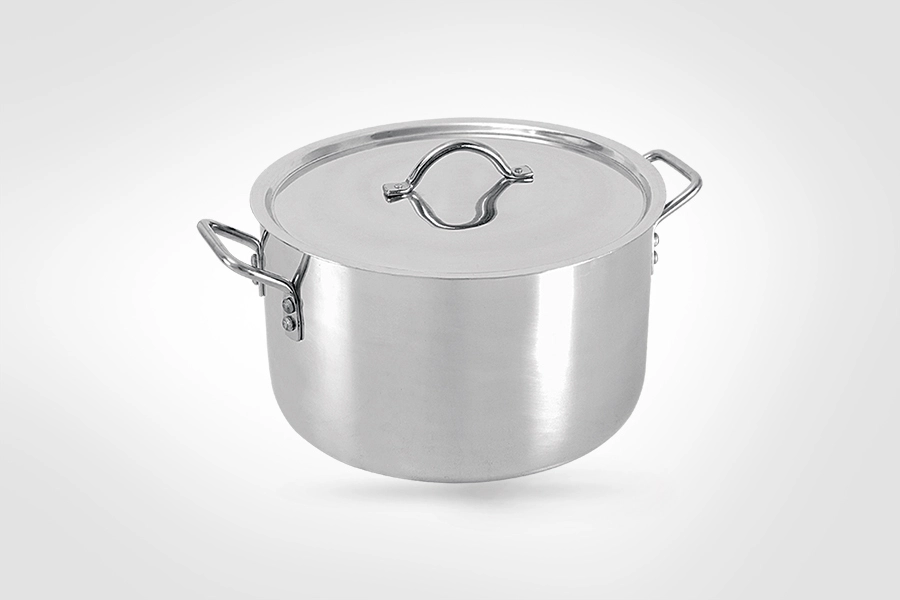
Heavy-gauge AA 3003 alloy with reinforced rims, custom cast stainless handles, and induction-ready thermal bases.
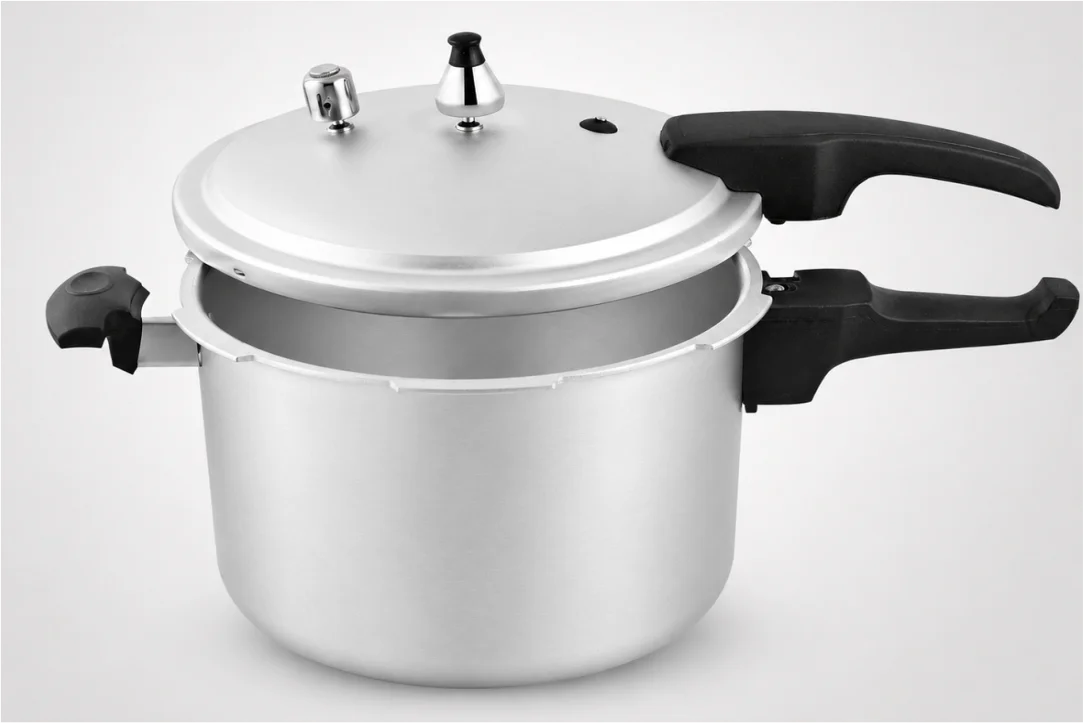
Commercial Pressure Cookers
Dual-safety system featuring 12 PSI pressure vents, heavy-duty silicone gaskets, and explosion-proof alloy bodies.
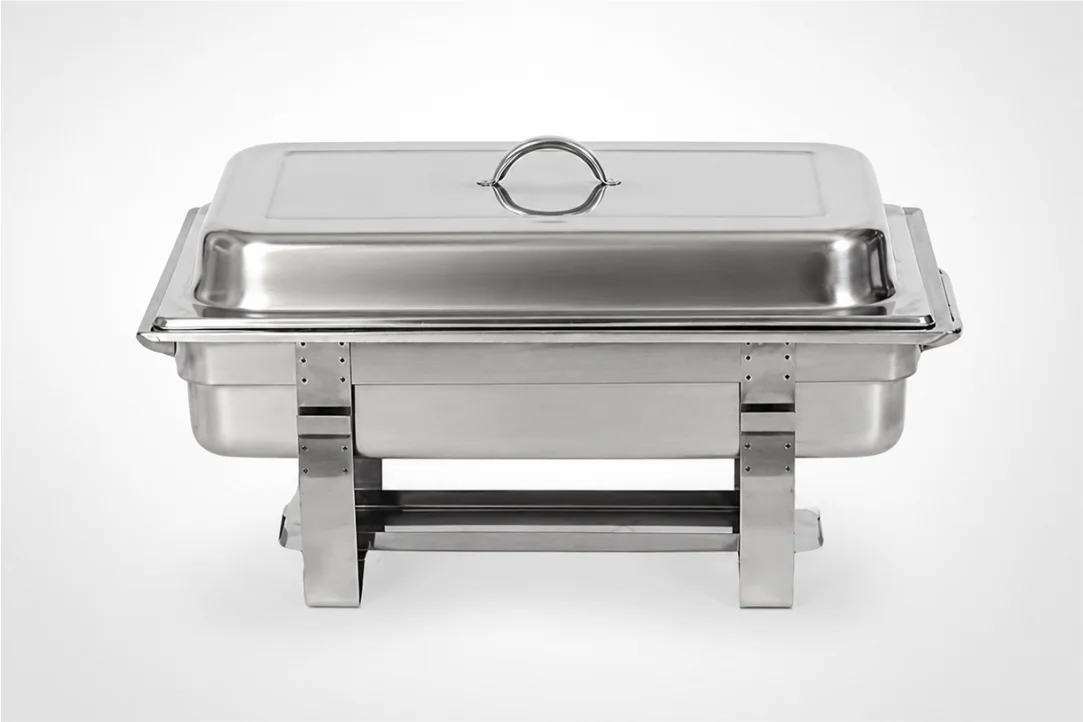
Stainless Steel Chafing Dishes
Mirror-polished AISI 304 food-grade buffetware with hydraulic soft-close glass windows and fuel burner holders.
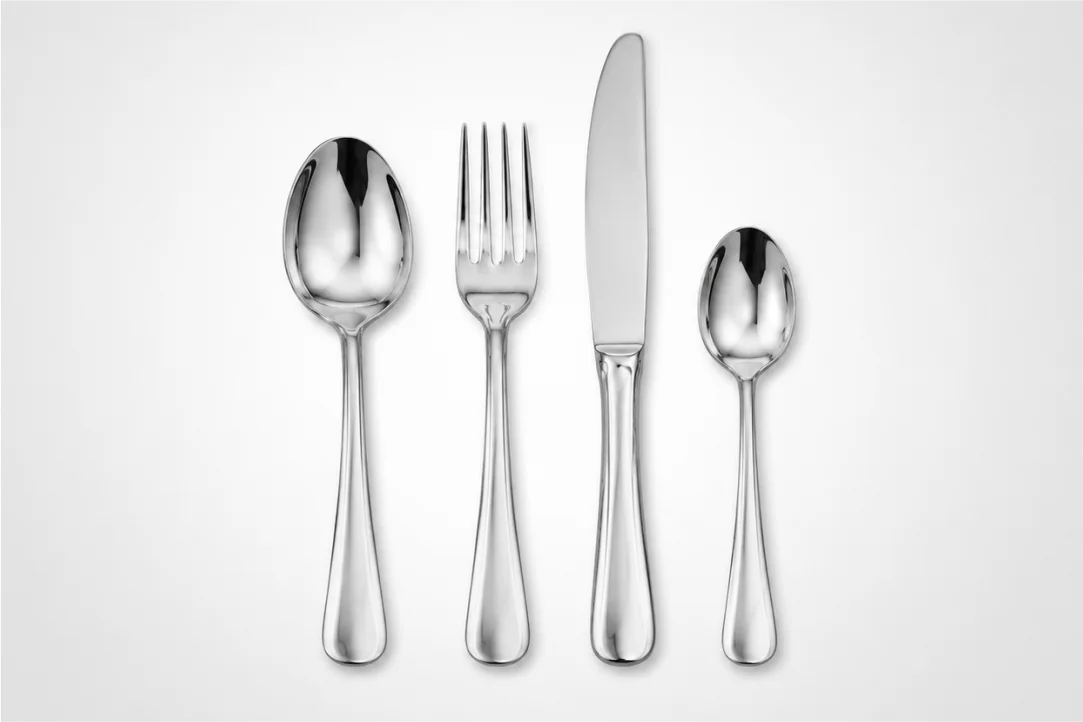
Stainless Steel Cutlery Sets
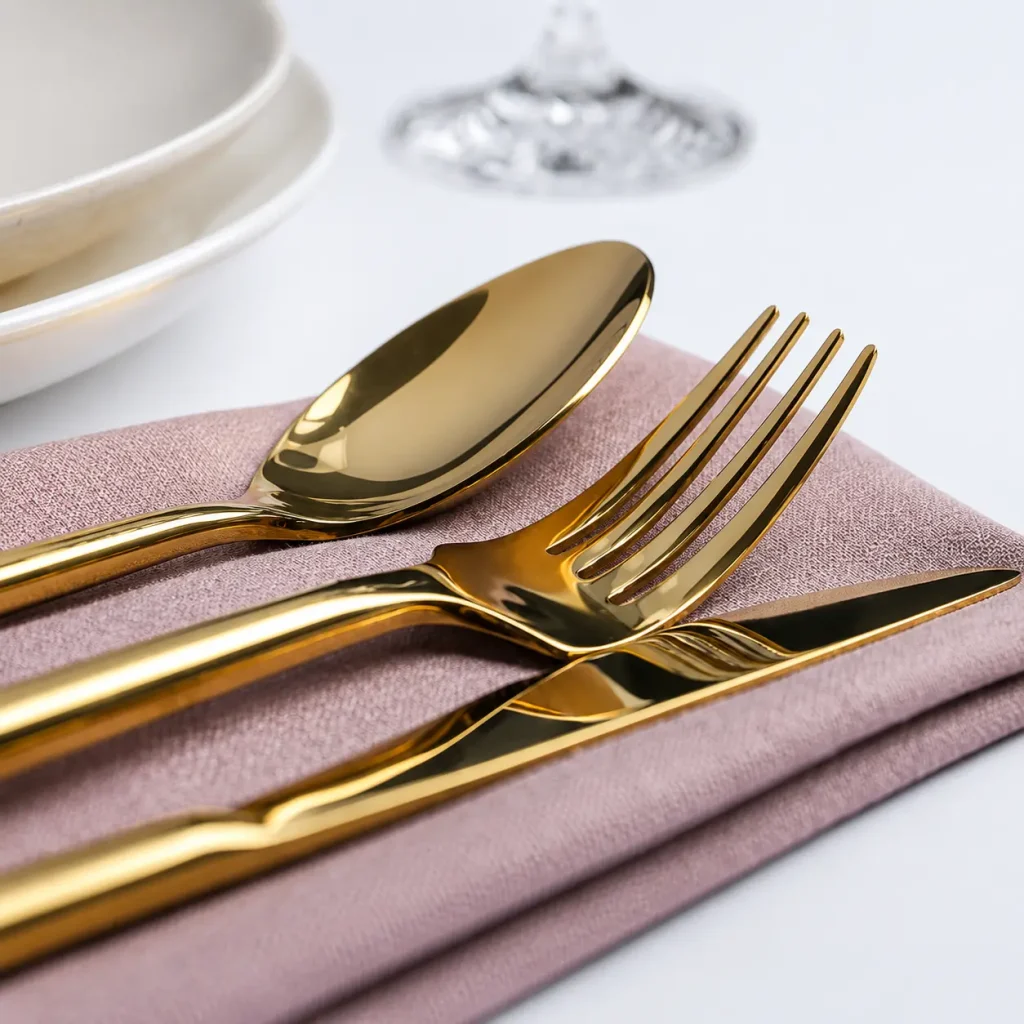
Precision-finished 18/10 stainless steel flatware built to ISO 8442 specs. Available with PVD gold or matte black coatings.
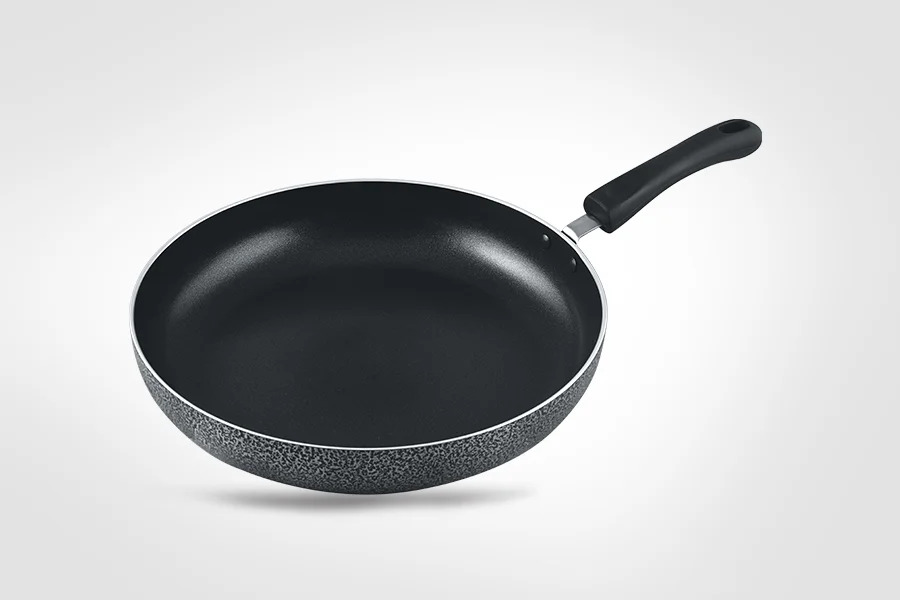
Non-Stick Aluminum Fry Pans
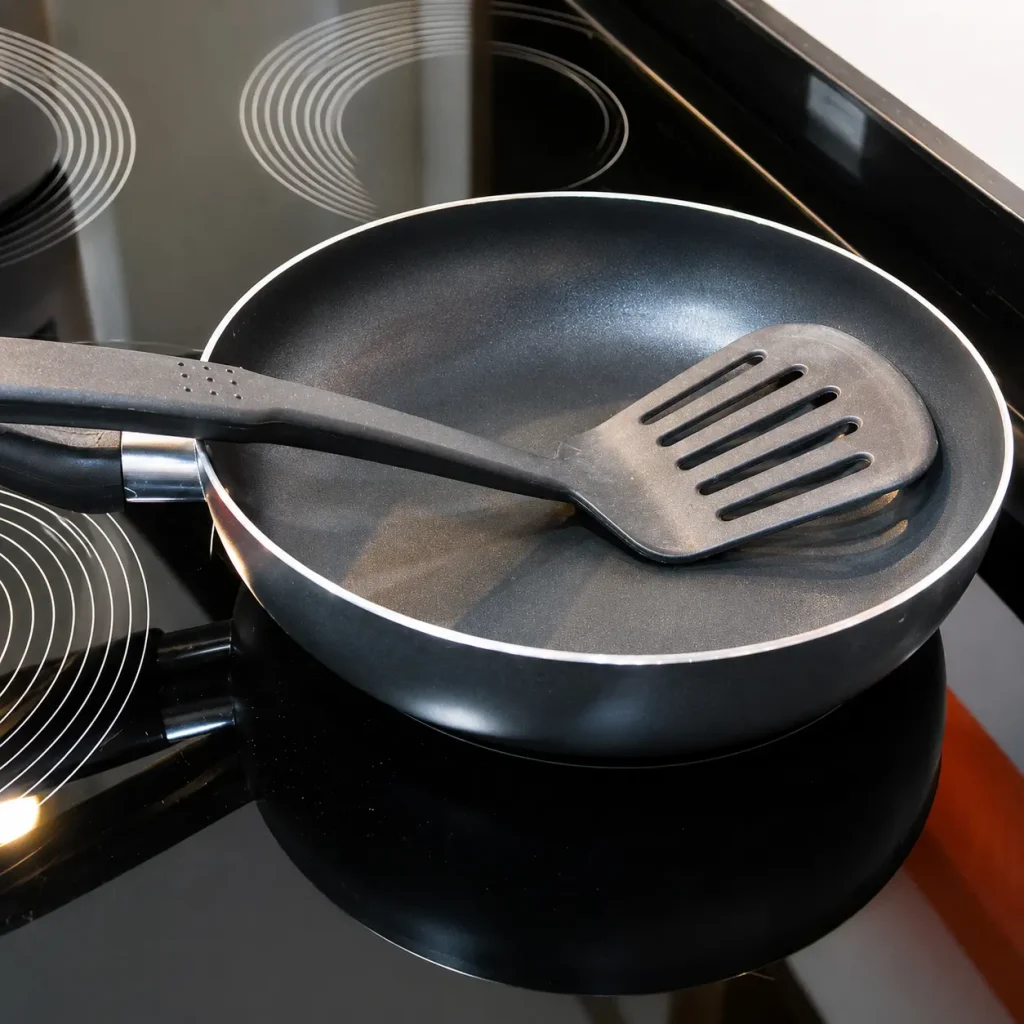
Multi-layer ceramic or PTFE non-stick systems. 100% PFOA/PFOS free with anti-scratch mineral particles.
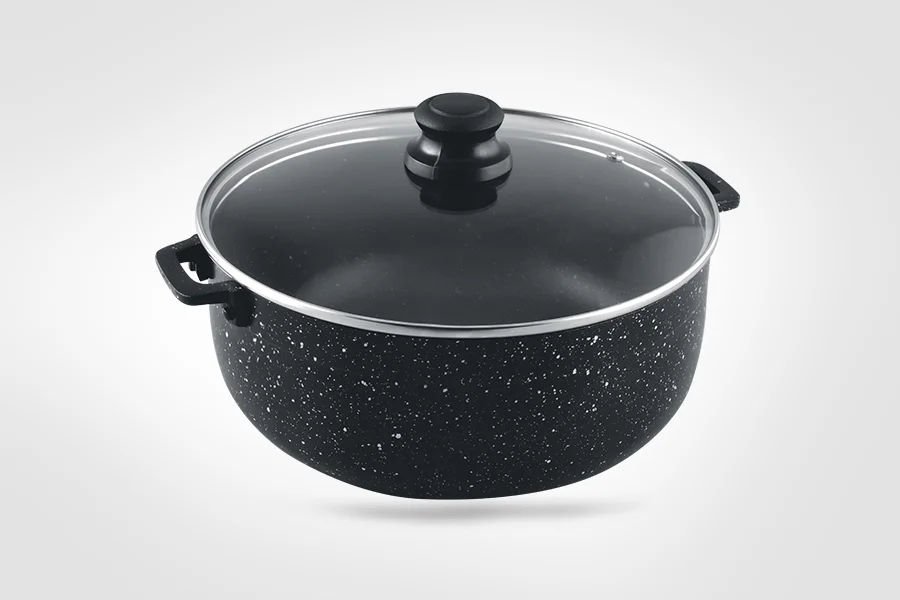
Aluminum Caldero Pots
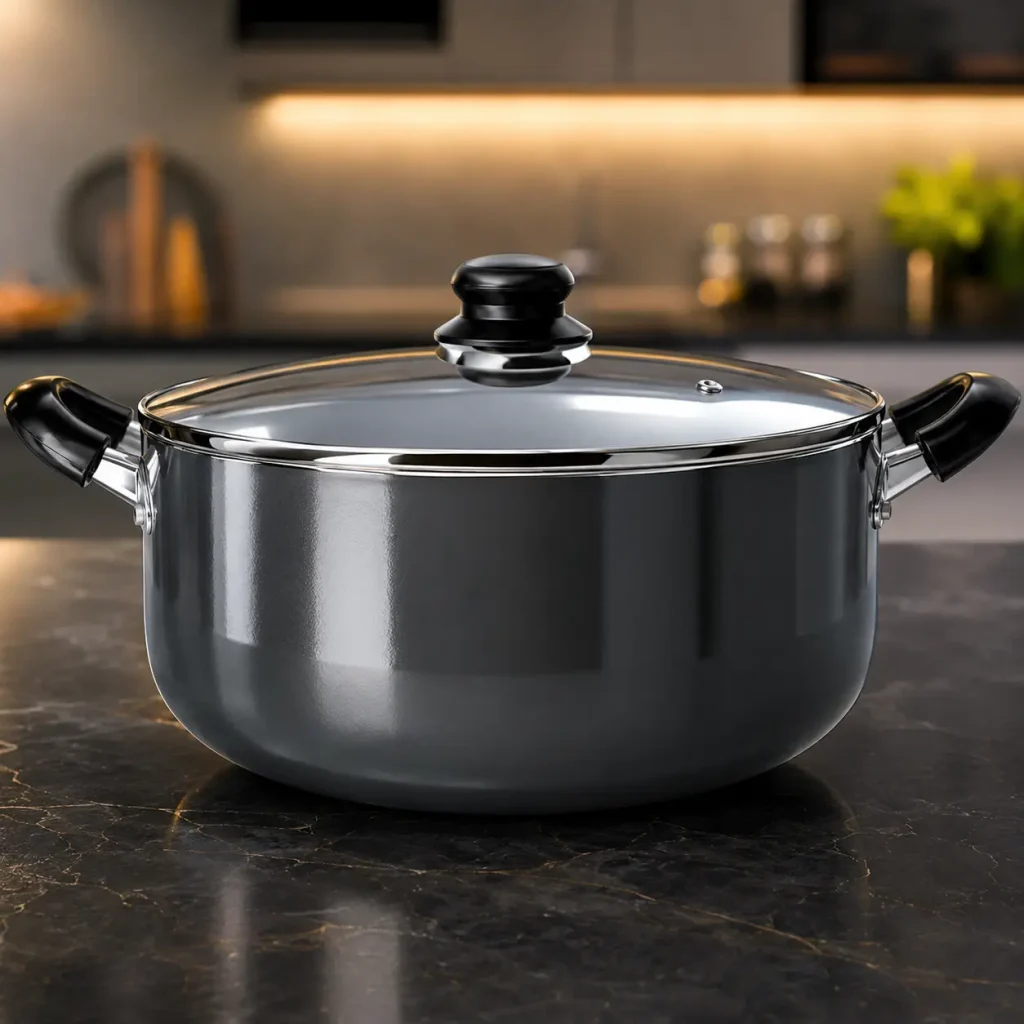
Traditional Dutch oven styling engineered in cast aluminum for uniform heat distribution and moisture-locking lids.
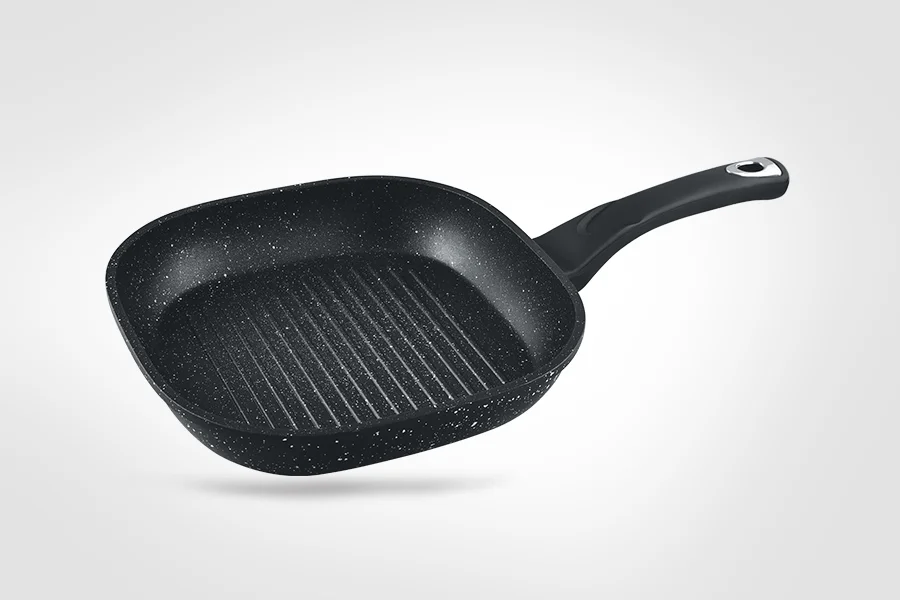
Diecast Ribbed Grill Pans
Heavy-duty cast body with deep fat-draining channels, folding stainless handles, and high-heat oven resistance.
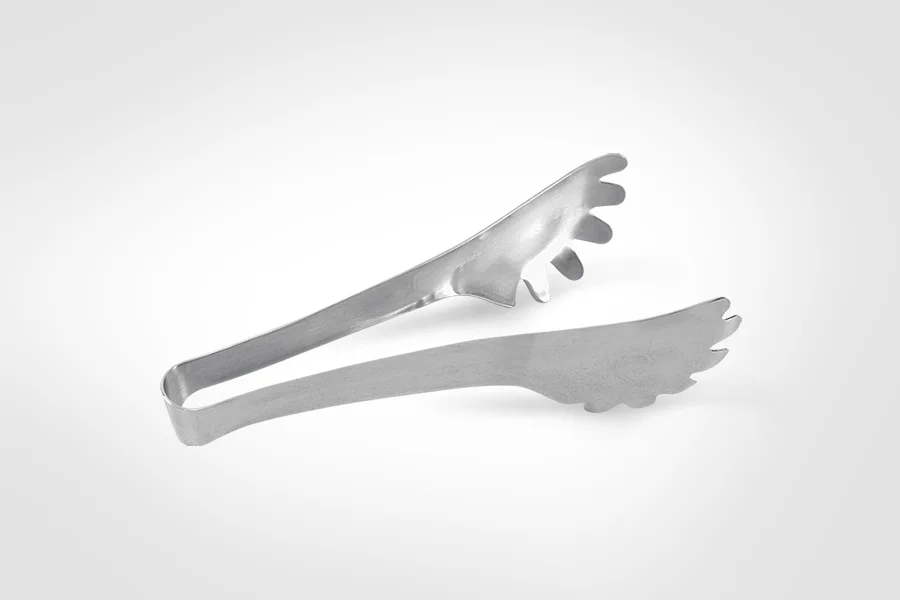
Commercial Serving Tongs
Heavy-gauge spring stainless steel construction without food-trapping gaps. Hygienic, dishwasher safe, and durable.
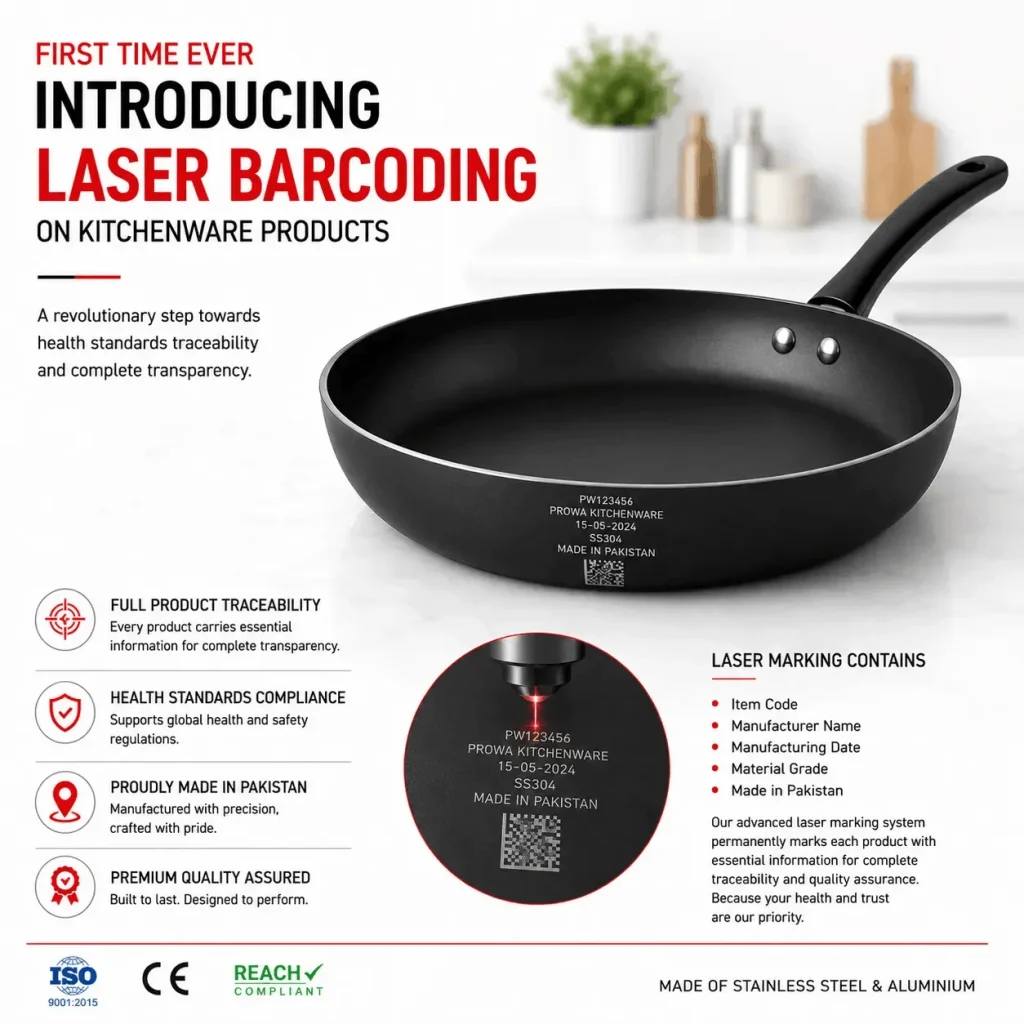
Laser Data Matrix Barcoding: Protecting Private Label Integrity
Counterfeiting, unauthorized cross-border diversion, and batch quality disputes present serious financial threats to global private label cookware brands. Prowa introduces high-precision Fiber Laser Data Matrix Barcoding directly etched onto the steel base or handle shank of each item produced.
Unlike standard stickers or ink prints that degrade during thermal cycles or commercial dishwashing, laser-etched Data Matrix codes create a permanent, 2D machine-readable footprint. Scannable via industrial scanners or smartphone cameras, this code embeds material grade, heat lot number, production date, and factory QA sign-off.
Macro Trends Shaping Private Label Cookware Production (2025–2030)
As environmental regulations tighten in North America and the European Union (such as CBAM - Carbon Border Adjustment Mechanism and EU PFAS restrictions), procurement directors must align with forward-thinking manufacturing partners. Success in private label cookware retail requires anticipating shifts in consumer behavior, raw material regulation, and logistical risk management.
1. Non-Toxic & Fluoropolymer-Free Coatings
Regulators are rapidly phasing out traditional PTFE formulations containing persistent chemicals. Private label brands are transitioning toward mineral-reinforced ceramic sol-gel coatings and ultra-hard 25-micron anodized aluminum surfaces that deliver non-stick performance without regulatory liability.
2. Circular Metallurgy & Carbon-Neutral Alloys
Eco-conscious retailers prioritize cookware forged from post-industrial recycled metal. Prowa’s closed-loop scrap recycling saves over 180 tons of aluminum and steel annually, allowing OEM partners to claim verified carbon footprint reductions on product packaging.
3. Supply Chain De-Risking via Pakistan Hubs
To reduce reliance on single-country manufacturing sources and bypass punitive tariff structures, top global brands are shifting sourcing to Sialkot, Pakistan—benefiting from preferential trade agreements, skilled metallurgical labor, and competitive freight routes.
Made in Pakistan. Delivered to Global Port Terminals.
Sialkot has long been celebrated as Pakistan's capital of precision engineering. Prowa’s 100% export-oriented facility harnesses this regional expertise, providing comprehensive OEM/ODM services—from initial CAD prototyping and tooling creation to final packaging, ocean freight containerization, and customs documentation.
Whether you require FCL (Full Container Load) shipments for multi-national retail chains or consolidated LCL shipments for specialized regional brands, our dedicated export department manages logistics seamlessly across North America, Europe, the Middle East, and Asia-Pacific.
Frequently Asked Questions: Private Label Cookware Production
Addressing the core technical, logistical, and financial inquiries posed by procurement officers during supplier audits.
What are the typical Minimum Order Quantities (MOQs) for private label cookware production?
For standard existing tooling with custom laser etching and brand packaging, our typical baseline MOQ starts at 500 to 1,000 units per item size. For fully customized shapes requiring unique stamping dies or custom cast handles, MOQs generally range from 2,000 to 3,000 units to amortize custom tooling costs effectively.
How does Prowa ensure chemical safety and food-contact compliance for international markets?
Every raw material batch undergoes chemical composition testing against ISO 15510 and ISO 4957 standards. All non-stick coatings applied are 100% free of PFOA, PFOS, Lead, and Cadmium, fully conforming to US FDA food-contact standards, European Union Regulation (EC) No 1935/2004, and REACH parameters. Test reports from accredited third-party laboratories (such as SGS or TÜV) are provided with mass production runs.
What is the lead time from design approval to container dispatch?
Initial CAD drawings and 3D rapid prototypes are generated within 7 to 10 business days. Once prototype approval and pilot production testing are completed, mass production turnaround is typically 30 to 45 days, depending on order complexity, surface finishing (mirror polish, satin, or ceramic coating), and packaging requirements.
Can Prowa produce induction-compatible cookware for both aluminum and stainless steel lines?
Yes. Stainless steel products utilize magnetic AISI 430 stainless steel bottom plates via high-pressure impact bonding. For aluminum cookware, we apply cold-stamped or plasma-sprayed AISI 430 induction discs to the vessel base, ensuring rapid and uniform heat transference on all induction, gas, electric, and ceramic stovetops.
What quality control steps take place before factory dispatch?
Our quality control engineers perform a 5-stage audit: (1) Raw material spectrometer analysis, (2) Deep-drawing wall-uniformity checks, (3) Thermal shock and handle torque load testing, (4) Coating adhesion cross-hatch testing (ASTM D3359 standard), and (5) Final visual, Data Matrix laser scanning, and retail packaging checks.
How does sourcing private label cookware from Pakistan offer cost and tariff advantages?
Pakistan maintains competitive labor rates, highly skilled metalworking artisans, and lower overhead costs compared to traditional manufacturing hubs. Furthermore, Pakistan benefits from favorable international trade frameworks, enabling global importers to achieve superior margin structures while maintaining European quality compliance.
Ready to Scale Your Private Label Cookware Brand?
Partner with Prowa Kitchenware Industries for reliable production, certified food-grade materials, and end-to-end supply chain transparency. Request our complete product catalog and technical specifications today.