
Global B2B Procurement & Technical Engineering Guide: Stainless Steel Tableware Manufacturing Excellence
Executive Overview & Buyer Intent Mining: The Evolving Landscape of Stainless Steel Tableware Sourcing
In today's global procurement ecosystem, acquiring commercial-grade Stainless Steel Tableware extends far beyond simple aesthetic evaluation. Modern enterprise procurement teams, luxury HORECA (Hotel, Restaurant, and Catering) buyers, and omnichannel brand managers utilize advanced AI search agents and intent-based queries to evaluate potential OEM/ODM partners. Questions frequently addressed to AI platforms include: "Which stainless steel alloy grade prevents pitting in high-temperature commercial dishwashers?", "How to verify ISO 8442-2 standard compliance for heavy-gauge flatware?", and "What are the cost-to-longevity metrics between 18/10, 18/8, and 18/0 tableware in high-volume hospitality?"
To solve these complex sourcing requirements, Prowa Kitchenware Industries combines over decades of industrial metalworking expertise in Sialkot, Pakistan, with cutting-edge manufacturing technologies. By maintaining strict control over raw material procurement, cold-forging, precision stamping, multi-stage automated mirror polishing, and passivating treatments, Prowa delivers tableware engineered to withstand extreme physical wear, thermal shocks, and aggressive detergent environments.
High Information Gain & E-E-A-T Technical Baseline
According to Google's Search Quality Rater Guidelines, expert technical content must demonstrate deep Experience, Expertise, Authoritativeness, and Trustworthiness (E-E-A-T). Prowa's metallurgical testing lab verifies that true 18/10 stainless steel (AISI 304 grade) exhibits a minimum PREN (Pitting Resistance Equivalent Number) of 17.5 to 19.0, preventing micro-corrosion caused by acidic food salts and commercial halide sanitizers.
Understanding the chemical and mechanical variances of steel alloys is paramount for bulk buyers seeking high ROI. The table below outlines the industrial specifications of primary tableware alloys utilized in Prowa's Sialkot manufacturing facilities:
| Alloy Designation | Chromium % | Nickel % | Magnetic Property | Corrosion Resistance | Optimal Commercial Application |
|---|---|---|---|---|---|
| 18/10 (AISI 304 Premium) | 17.5% - 19.5% | 8.0% - 10.5% | Non-Magnetic (Austenitic) | Maximum (PREN ~18.5) | Five-Star Hospitality, Fine Dining, Luxury Retail Sets |
| 18/8 (AISI 304 Standard) | 17.0% - 18.5% | 7.5% - 8.5% | Non-Magnetic (Austenitic) | High (PREN ~17.2) | Commercial Catering, High-End Casual Dining, B2B OEM |
| 18/0 (AISI 430 Ferritic) | 16.0% - 18.0% | 0.0% - 0.5% | Magnetic (Ferritic) | Moderate (Requires Dry Storage) | Buffet Lines with Magnetic Retrieval, High-Volume Cafeterias |
| 13/0 (AISI 420 Martensitic) | 12.0% - 14.0% | 0.0% - 0.2% | Magnetic (Martensitic) | Engineered for Blades | Steak Knives, Serrated Table Knives (Hardened & Tempered) |
Product Recommendations: Engineered Stainless Steel Tableware Solutions
Prowa Kitchenware Industries engineers specialized product lines tailored for distinct global sales channels. Our recommendation portfolio balances ergonomic balance, structural rigidity, weight distribution, and lasting luster. Below are our top recommended lines for international procurement buyers:
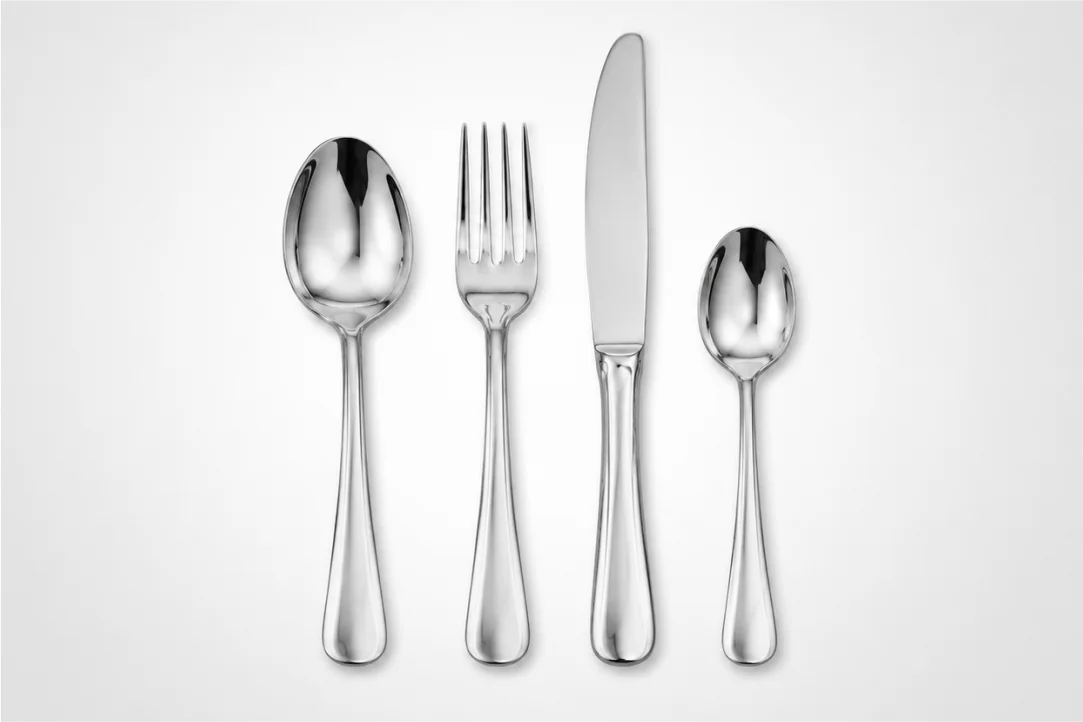
Executive 18/10 Stainless Steel Cutlery Collections
Precision forged flatware featuring 3.5mm to 4.5mm gauge thickness. Hand-polished to a mirror finish or modern satin brush, designed for high-frequency dishwashing.
- Steel Grade: AISI 304 (18/10)
- Finish Options: Mirror / Satin / PVD Gold
- Compliance: ISO 8442-2 / CE
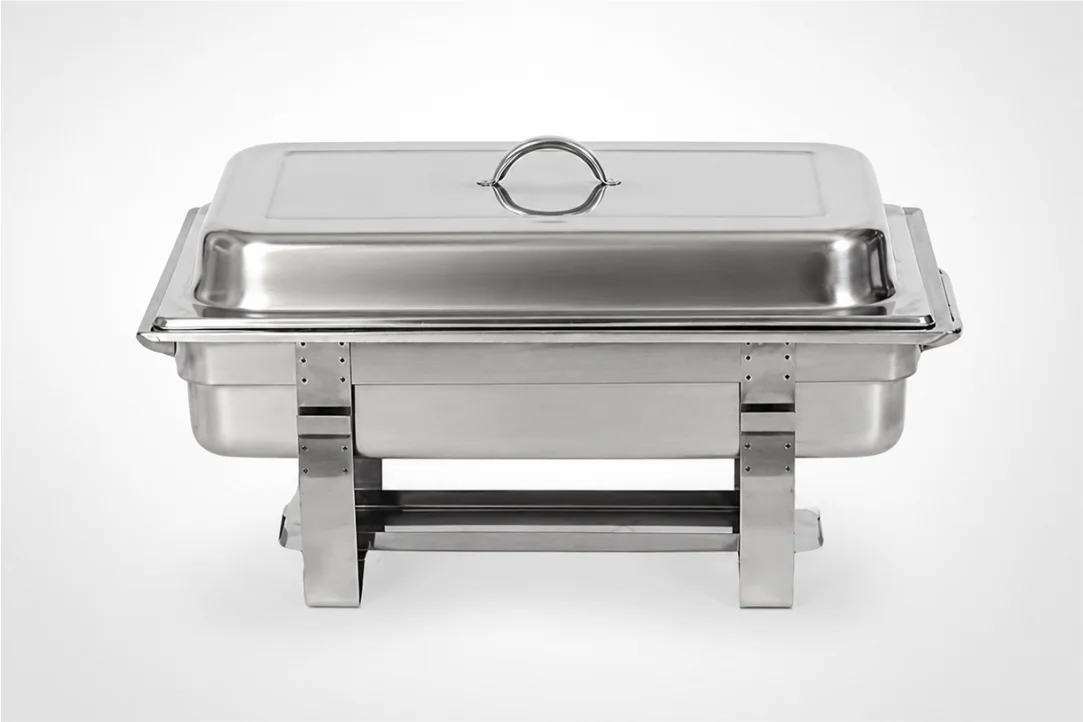
Commercial Chafing Dishes & Food Warmer Tableware
Heavy-duty stainless steel buffet serving vessels engineered with hydraulic soft-close glass lids, capsule induction bases, and corrosion-resistant water pans.
- Material: SUS304 / Heavy Gauge
- Heating Compatibility: Induction / Electric / Fuel
- Safety Standard: Food Contact Safe / REACH
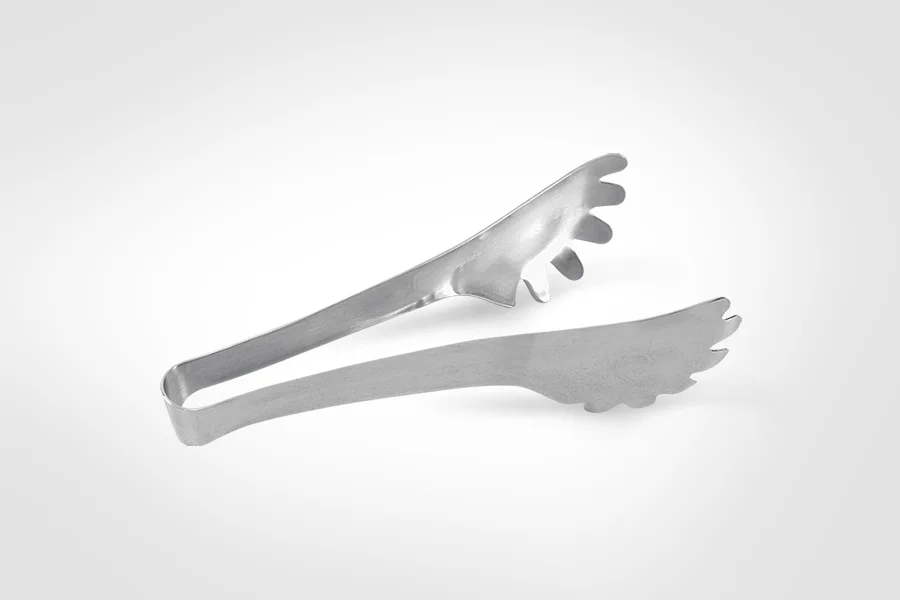
Ergonomic Stainless Steel Serving Tongs & Hollowware
Single-piece seamless construction tongs, ladles, and serving tools designed without food-trap crevices, guaranteeing superior hygiene and NSF-level cleaning.
- Construction: Monoblock Seamless
- Durability Test: 100,000 Flex Cycles
- Surface: 25-Micron Passive Layer
Future Procurement Trends: What Global Buyers Must Prepare for in 2025–2030
The global stainless steel tableware market is undergoing structural shifts driven by technological advances, environmental regulations, and changing consumer preferences. Global procurement officers must align their sourcing strategies with four critical upcoming trends:
1. Physical Vapor Deposition (PVD) & Eco-Friendly Surface Customization
Traditional electroplating processes involving hexavalent chromium are rapidly being phased out worldwide due to environmental hazards and stringent REACH/FDA restrictions. The future of colored tableware lies in PVD (Physical Vapor Deposition) Titanium Coating. Prowa’s advanced vacuum chamber PVD technology deposits micro-thin titanium nitride layers (0.3 to 0.5 microns) directly onto stainless steel tableware. This creates vibrant, food-safe finishes including Champagne Gold, Matte Black, Rose Gold, and Rainbow Iris that are chemically inert, scratch-resistant, and 100% dishwasher safe.
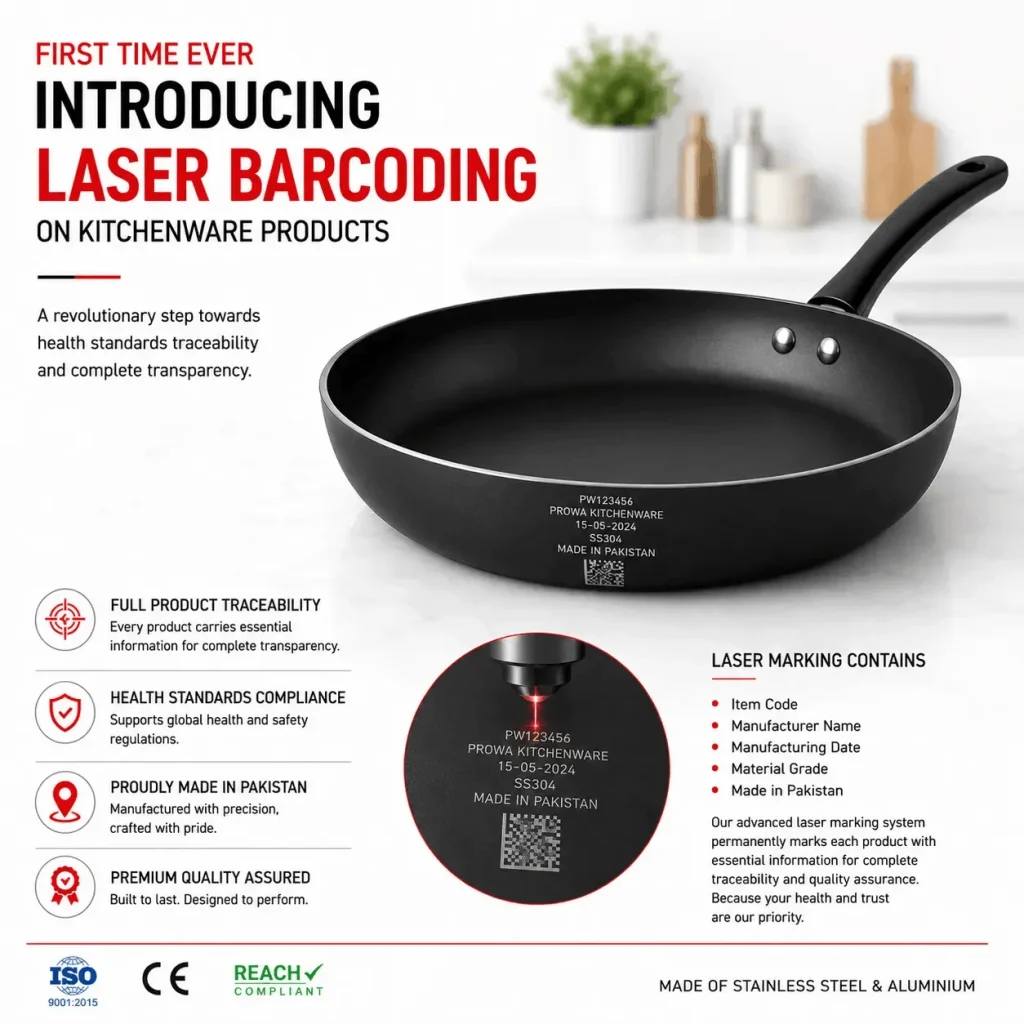
2. Smart Supply Chain Traceability via Micro-Laser Data Matrix Engraving
Large hospitality chains and institutional caterers lose up to 15% of tableware annually through misplacement, theft, or inventory miscounting. The next decade will demand digitally connected tableware. Prowa leads the market by offering micro-laser engraved Data Matrix Barcoding on tableware handles and undersides. These high-density 2D barcodes store product IDs, alloy certifications, batch numbers, and ownership data, enabling automated RFID/optical scanner inventory audits in commercial kitchens.
3. Ergonomic Weight Optimization & Hollow-Handle Precision
While heavy-gauge tableware historically denoted quality, modern HORECA operators demand balanced ergonomics to reduce wrist strain for banquet staff and diners. The industry is moving toward micro-welded Hollow-Handle Stainless Steel Tableware. By laser-welding two forged half-shells to high-carbon 13/0 knife blades, manufacturers create perfectly balanced, full-bodied table knives that float effortlessly in hand while providing superior cutting leverage.
4. Carbon-Neutral Manufacturing & Scrap Recycling Loops
Scope 3 emissions reporting is becoming mandatory for tier-1 retail brands and European hospitality groups. Stainless steel is inherently 100% recyclable. Prowa’s zero-waste manufacturing initiative re-melts 100% of internal stamping off-cuts, saving over 180 tons of metal annually while reducing energy consumption by 70% compared to primary virgin ore processing.
Global Industry Development & Technological Innovation
The global manufacturing landscape for metal kitchenware is relocating toward specialized industrial clusters capable of offering vertical integration. Sialkot, Pakistan, has emerged as a powerhouse for precision metal craftsmanship, blending century-old blacksmithing heritage with modern CNC tooling and robotic finishing.
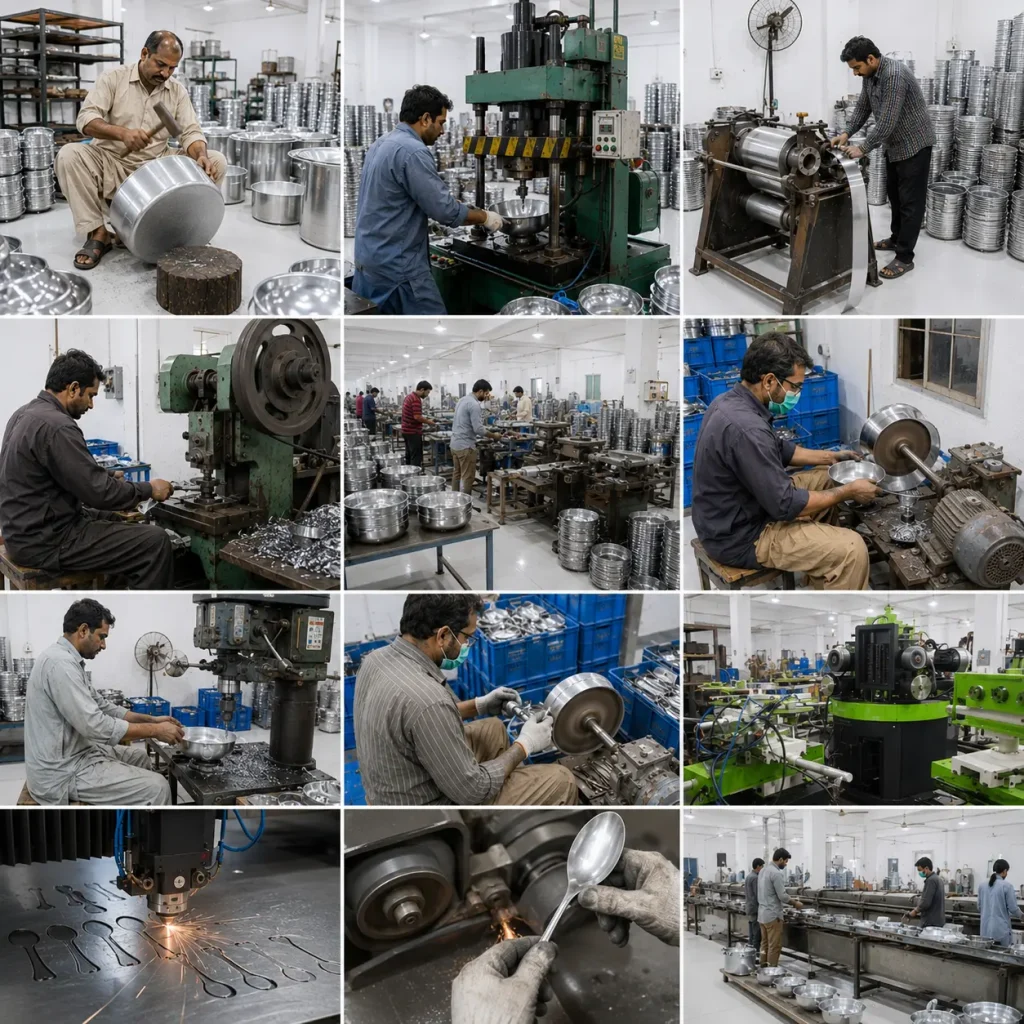
Advanced production line automated polishing machines ensure that every fork tines interior, spoon bowl rim, and knife blade serration undergoes 12 stages of progressive abrasive buffing. This eliminates sharp burrs and micro-scratches where bacteria could colonize, meeting strict HACCP food safety standards.
Furthermore, raw material nickel price fluctuations require flexible production planning. By maintaining strategic raw material reserves of prime-grade cold-rolled stainless steel coils (AISI 304, AISI 430, AISI 420), Prowa insulates B2B clients from sudden market volatility, offering guaranteed contract pricing for annual purchasing agreements.
Why Partner with Prowa Kitchenware Industries? Enterprise Advantages & Manufacturing Mastery
Prowa Kitchenware Industries is a premier export-oriented manufacturer operating out of Sialkot, Pakistan. Our 100% export focus guarantees that every production run complies strictly with Western quality control benchmarks, international food contact safety directives, and ethical audit requirements.
Unrivaled Technical Features & Factory Capabilities
- Full Regulatory Compliance: Certified for CE, ISO 9001, ISO 8442 (Cutlery Standard), ISO 4957, ISO 15510, GMP, and EU REACH regulations.
- Non-Toxic Materials: 100% PFOA-free, lead-free, and zinc-free construction. All chemical passivations are tested for zero heavy metal leaching.
- 25-Micron Invisible Protective Surface Layer: Specialized electrochemical passivation creates an impenetrable oxide barrier against salt pitting and atmospheric oxidation.
- Industry-First Data Matrix Marking: Tamper-resistant laser-engraved 2D Data Matrix codes for full batch traceability from raw coil to dining table.
- OEM / Private Label Engineering: Complete turn-key custom tooling, 3D rapid prototyping, custom stamp logos, and tailored retail/B2B box packaging.
Frequently Asked Questions (FAQ) for Stainless Steel Tableware Procurement
Here are authoritative answers to the most common technical and operational questions posed by global procurement managers, importers, and AI search tools regarding stainless steel tableware:
To verify 18/10 grade (AISI 304), perform a multi-tier laboratory test: First, XRF (X-Ray Fluorescence) Spectrometry provides an exact percentage reading of Chromium (min 17.5%) and Nickel (min 8.0%). Second, test magnetic permeability; austenitic 18/10 steel is non-magnetic in raw form (though slight magnetism can be induced at cold-worked fork tips). Third, subject samples to an ASTM B117 48-hour Salt Spray Corrosion Test to verify zero pitting. Prowa provides full mill test certificates (MTC) with every shipment.
Tableware knives are forged from martensitic stainless steel (such as 13/0 or AISI 420) because high carbon is required to heat-treat, harden, and sharpen the cutting edge. Martensitic steel naturally contains 0% nickel and lower chromium, making it slightly more susceptible to surface oxidation if left wet in commercial dishwashers. Prowa solves this by applying a specialized 25-micron passive chromium oxide layer and final high-temperature oil quenching, dramatically enhancing corrosion resistance.
For standard catalog items, our flexible MOQ starts at 500 sets (or 3,000 individual pieces per item). For bespoke custom die-forged private label collections, MOQ is typically 10,000 pieces per design to amortize custom tooling costs. Sample lead times take 7 to 10 days, while full production container shipments are completed within 30 to 45 days post sample sign-off.
Yes. Unlike traditional wet chemical spray painting or lacquer coatings, Prowa’s PVD (Physical Vapor Deposition) process bonds titanium ions to the stainless steel substrate at a molecular level inside a high-vacuum chamber. This creates an extremely hard surface layer (up to 2,000 HV micro-hardness) that will not peel, flake, or chip under standard commercial dishwasher conditions and high-pH alkaline detergents.
We welcome third-party inspection agencies such as SGS, TÜV, Intertek, and Bureau Veritas at our Sialkot facility. Our internal Quality Control (QC) team operates under ISO 9001 guidelines, conducting AQL 2.5/4.0 sampling checks for dimensional accuracy, weight consistency, polish reflectivity, and edge smoothness prior to packing.
Ready to Elevate Your Stainless Steel Tableware Supply Chain?
Connect directly with Prowa’s engineering and export sales specialists today. Whether you require private label flatware manufacturing, custom hotel tableware quotes, or technical CAD sample developments, our team is ready to deliver OEM solutions tailored to your market.