
Commercial Wholesale Aluminum Casserole Pots: Metallurgical Science, OEM Manufacturing & Global Supply Chain Trends
An in-depth evaluation for international procurement directors, hotel chain buyers, and private label brand managers. Explore technical alloy specifications, ceramic vs PTFE non-stick matrices, thermal conductivity dynamics, and factory-level traceability standards powering high-yield commercial cookware distribution.
1. Executive Sourcing Overview: Thermal Dynamics & Alloy Metallurgy in Aluminum Casserole Pots
In the global B2B cookware ecosystem, Aluminum Casserole Pots represent one of the most critical product categories for retail distributors, supermarket chains, hospitality suppliers, and private label brands. The thermal performance of cookware directly dictates energy consumption, cooking consistency, and longevity in both commercial kitchens and residential culinary environments. As global procurement managers analyze cost-to-performance metrics, high-purity aluminum cookware consistently outperforms alternative alloys due to its exceptional physical properties.
Aluminium boasts a thermal conductivity coefficient of approximately 237 W/m·K, compared to just 16 W/m·K for standard austenitic 304 stainless steel and 52 W/m·K for cast iron. This vast difference allows aluminum casserole pots to eliminate localized hot-spots, conduct heat up to 15 times faster than stainless steel vessels, and maintain an even thermal gradient across both the basal vessel wall and deep sidewalls. Consequently, stews, braised meats, and delicate sauces require significantly less energy to reach and sustain simmering temperatures—a core requirement for commercial HORECA operators seeking utility cost reduction.
| Cookware Substrate Material | Thermal Conductivity (W/m·K) | Specific Heat Capacity (J/kg·K) | Structural Density (g/cm³) | Commercial Warping Resistance |
|---|---|---|---|---|
| Die-Cast Heavy Aluminum Alloy (ADC12) | 96 – 113 | 960 | 2.68 | Exceptional (Zero-Deformation Base) |
| Cold-Forged Pure Aluminum Sheet (Alloy 3003) | 160 – 190 | 893 | 2.73 | High (Reinforced Rim & Base) |
| Stamped Aluminum (Alloy 1050 / Standard) | 220 – 230 | 900 | 2.70 | Moderate (Depends on Gauge Thickness) |
| Stainless Steel (AISI 304 Tri-Ply Core) | 16 – 25 | 500 | 7.93 | High (Heavy Structural Mass) |
| Traditional Enamelled Cast Iron | 45 – 52 | 460 | 7.20 | High (Brittle under thermal shock) |
To achieve optimum balance between structural stiffness and thermal response, premier OEM manufacturers utilize precise metallurgical formulations. Grade 3003 aluminum alloy (containing manganese additions of 1.0–1.5%) is preferred for cold-forged casseroles due to its enhanced tensile strength and superior corrosion resistance against mildly acidic food matrixes. For heavy-duty commercial cast casseroles, high-pressure die-casting utilizes silicon-enriched alloys that allow variable wall profiling—thickening the heat-retaining basal zone up to 6.0mm while keeping upper sidewalls lightweight and ergonomically managed.
2. Premier Aluminum Casserole Pot Configurations for Global Wholesale Markets
Choosing the exact product specification depends heavily on the target market segment—ranging from high-volume discount retail to premium culinary supply houses. Below are four flagship product engineering recommendations manufactured by Prowa Kitchenware Industries, tailored to meet modern global consumer and institutional demands.
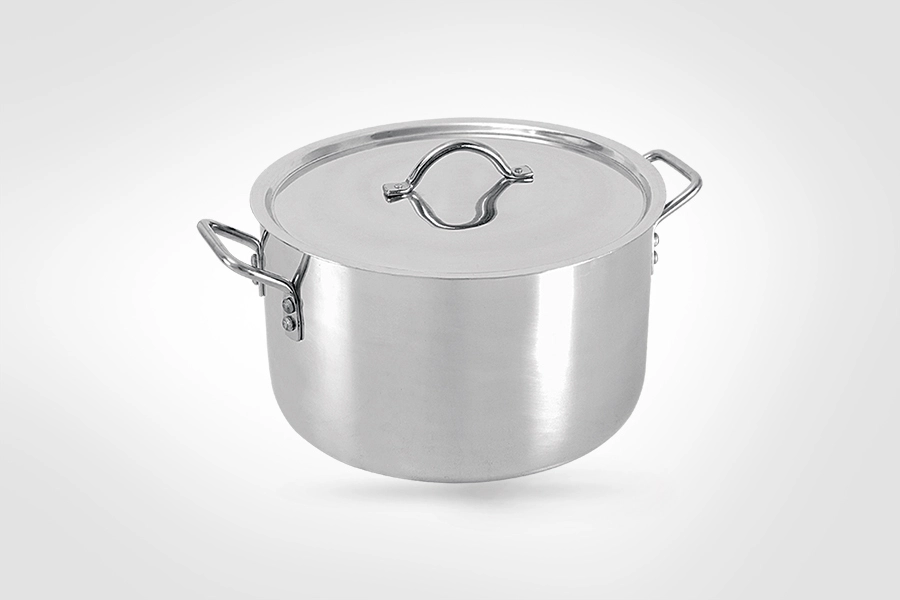
1. Professional Die-Cast Aluminum Casserole Pots
Engineered for high-end retail brands and commercial hospitality buyers. Featuring a thick 5.5mm impact-bonded induction bottom plate and integrated stay-cool side handles cast directly into the vessel body for unyielding structural integrity.
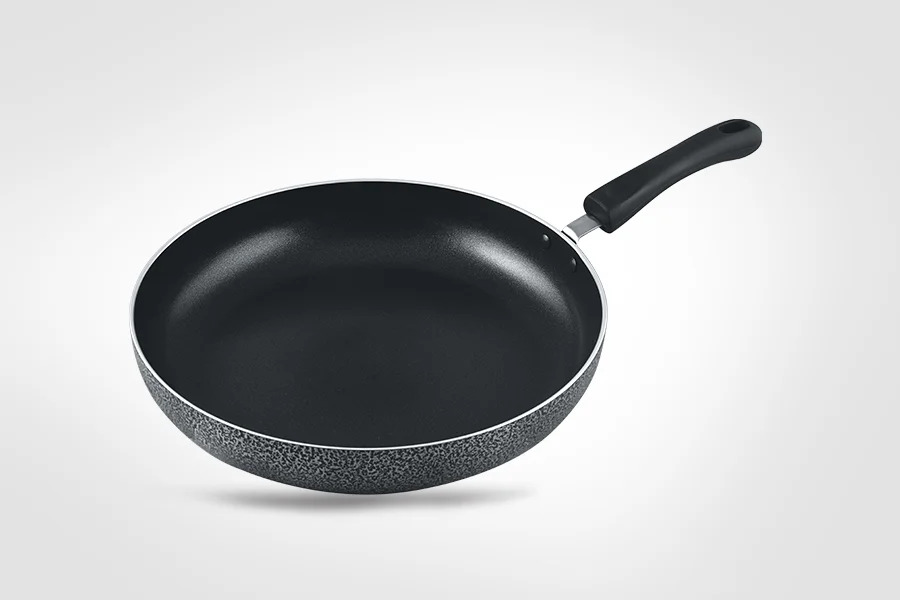
2. Cold-Forged Non-Stick Casserole Pots
Designed for large-scale retail catalog distribution. Cold-forging compresses the aluminum grain structure, yielding exceptional rim strength and scratch-resistant durability while keeping vessel weight optimal for everyday domestic cooking.
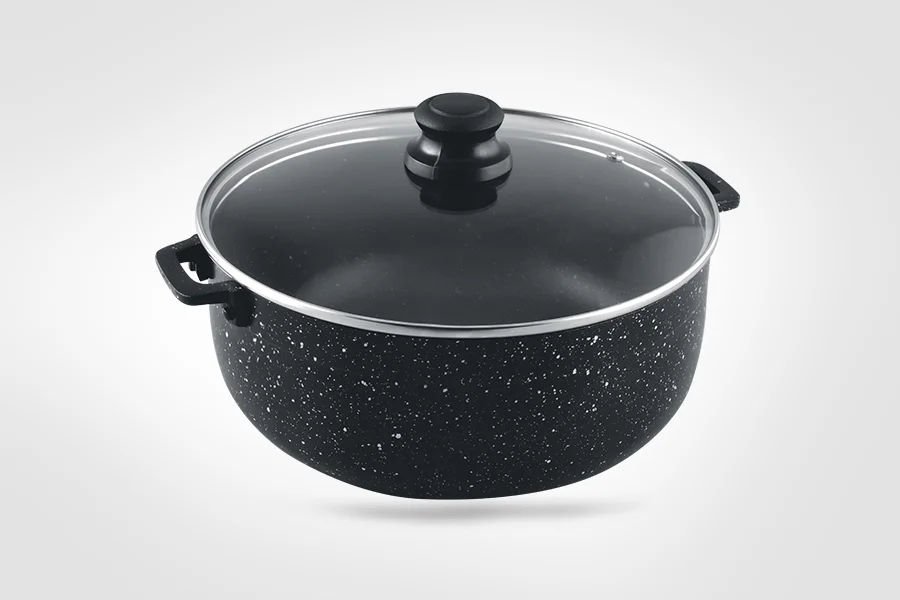
3. Traditional Heavy-Gauge Caldero Casseroles
A staple for North, Central, and South American import channels. Built with extreme-gauge pure polished aluminum or protective hard-anodized surfaces designed to handle high-temperature stewing, frying, and rice preparation.
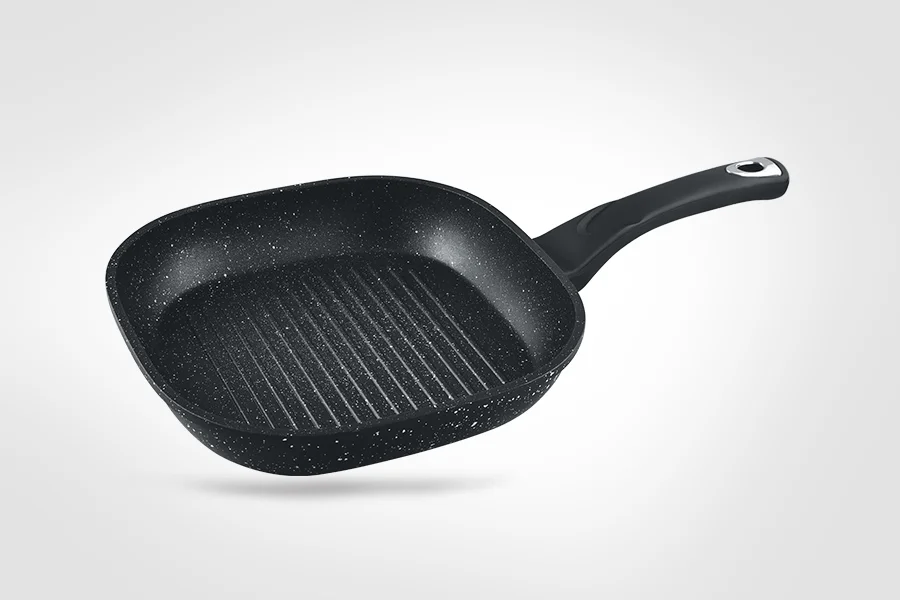
4. Multi-Functional Shallow Casserole & Braiser Pots
Low-profile design tailored for oven-to-table service. Ribbed or smooth interior cooking surfaces ideal for searing, roasting, and shallow simmering, equipped with specialized moisture-condensing lid spikes.
3. Future Procurement & Product Development Trends (2025–2030)
The global kitchenware landscape is undergoing a structural shift driven by consumer environmental awareness, tightening regulatory standards in North America and Western Europe, and rapid advancements in materials science. Procurement managers who align their supply chain with these macro-trends gain a measurable competitive edge:
A. Next-Generation Eco-Friendly Non-Stick Coatings (PFAS / PFOA Elimination)
Regulatory bans on per- and polyfluoroalkyl substances (PFAS/PFOA) in the European Union (REACH Annex XVII updates) and various US state legislations have rendered legacy fluoropolymer coatings obsolete for forward-looking brands. The industry is rapidly pivoting toward two sustainable alternatives:
1. Gen-5 Sol-Gel Ceramic Matrix Coatings: Inorganic silica-based coatings cured at lower temperatures, producing a dense, glass-like cooking surface capable of withstanding thermal shocks up to 450°C without emitting toxic fumes.
2. PEEK/Diamond-Reinforced PTFE Coatings: Next-generation fluoropolymer structures formulated strictly without PFOA, GenX, or APEO, bonded with micro-diamond particles or polyether ether ketone (PEEK) to achieve over 50,000 cycles of abrasive wear resistance under standardized BS EN 13834 testing.
B. Advanced Full-Bound Induction Bottom Technology
With induction cooktop adoption rates growing at over 7.8% CAGR globally, non-magnetic aluminum pots must incorporate magnetic stainless steel basal plates. The historical standard of friction-fitted punch-hole induction discs is being superseded by Full-Bound High-Pressure Plasma Welding and fully encapsulated magnetic plates. This process completely seals the iron plate beneath protective metal, preventing galvanic corrosion between aluminum and steel during dishwasher cycles while expanding the effective induction heating area by 22%.
C. Circular Economy & Low-Carbon Aluminum Sourcing
Scope 3 carbon emissions auditing is rapidly becoming mandatory for tier-1 retailers in Europe and North America. Sourcing aluminum casserole pots manufactured from recycled secondary aluminum (PIR/PCR alloys) reduces energy consumption during raw material smelting by up to 95%. Advanced refining processes remove iron impurities, ensuring recycled alloys match the ductile strength and structural density of primary virgin aluminum.
At Prowa Kitchenware Industries, advanced manufacturing is combined with rigorous quality verification systems. As an export-exclusive enterprise operating out of Sialkot, Pakistan, our lines incorporate automated digital monitoring to safeguard batch integrity.
Sub-surface chemical passivating process providing invisible, ultra-dense protection against alkaline oxidation and pitting.
Calibrated steam release systems incorporated into lid assemblies to maintain optimal moisture balance and prevent liquid boil-overs.
Permanent laser-engraved 2D Data Matrix barcodes storing alloy batch, QC inspection date, and factory line origin directly on the vessel.
4. Sourcing & Manufacturing FAQ for Global Procurement Buyers
Below are technical and operational answers to the most frequent inquiries submitted by international procurement teams, supply chain officers, and retail buyers searching for commercial aluminum casserole pot manufacturers.
The manufacturing method directly impacts heat retention, weight, wall profile, and cost structure:
- Die-Cast Aluminum: Molten aluminum alloy is injected under high pressure into steel molds. This allows variable wall profiling (e.g., a thick 6.0mm base with tapered 3.0mm walls) and integrated solid handles. It offers maximum resistance to thermal warping and superior heat retention, making it ideal for premium cookware lines.
- Cold-Forged Aluminum: Heavy aluminum disks are mechanically shaped under high-tonnage hydraulic presses. Cold-forging aligns the grain structure of the metal, creating dense, highly durable rims and bases with lighter overall weight than casting.
- Stamped Aluminum: Sheet aluminum is stamped into shape. While highly cost-effective for budget retail, stamped pots generally feature uniform thin walls (1.8mm – 2.5mm) and are more susceptible to base deformation under extreme commercial heat.
Prowa Kitchenware Industries enforces a strict material safety protocol. All non-stick coatings applied at our facility are certified 100% free of PFOA, PFOS, Lead, Cadmium, and Zinc. We utilize multi-coat fluoropolymer systems (PTFE) and ceramic coatings sourced exclusively from globally accredited chemical suppliers.
Every export batch undergoes rigorous extraction testing in accordance with European Directive EU 10/2011 and US FDA 21 CFR 175.300 standards, guaranteeing zero hazardous chemical migration during high-temperature cooking with water, oil, or acidic food substances.
Prowa is an industry pioneer in applying high-precision laser-engraved 2D Data Matrix codes directly onto metal cookware surfaces. Unlike printed stickers or barcode tags that deteriorate during transport or commercial dishwashing, a laser-engraved Data Matrix barcode creates a permanent digital passport on each casserole pot.
This code securely encodes critical supply chain data, including item number, raw alloy melt batch, production timeline, operator code, and factory QC sign-off. Global distributors benefit from seamless automated warehouse inventory scanning, 100% batch traceability, efficient warranty validation, and complete protection against gray-market counterfeiting.
Thermal distortion occurs when the bottom surface of a pot expands faster than its sidewalls. To eliminate bottom bowing (concavity or convexity), Prowa designs commercial casserole pots with a minimum basal thickness of 4.5mm to 6.0mm.
Additionally, our engineering team incorporates a subtle pre-stressed concave thermal compensation curve into the base during stamping/casting. When heated, the metal expands uniformly downward, achieving a 100% flat contact profile with glass-top induction burner surfaces for maximum energy transfer efficiency.
We provide full end-to-end OEM and ODM capabilities. Our in-house tool & die workshop can execute custom mold design using 3D CAD/CAM modeling within 15–20 business days. Customization options include:
- Bespoke exterior color matching (Pantone / High-Temp Heat Resistant Lacquers / Metallic Finishes).
- Laser engraving or bottom-stamping of brand logos.
- Custom handle configurations (Cast Aluminum, Riveted Stainless Steel, Soft-Touch Silicone/Bakelite).
- Specialized lid fittings (Tempered Flat Glass, Stainless Rimmed, Moisture-Lock Condensation Lids).
- Custom retail packaging box design (FSC-Certified Corrugated Color Boxes, Mail-Order Drop Packaging).
Sialkot, Pakistan, is world-renowned for its multi-generational metallurgical heritage, high-precision instrument manufacturing, and industrial metalworking expertise. Sourcing from Prowa Kitchenware Industries in Sialkot provides distinct advantages:
- Competitive Cost Structure: Highly cost-effective skilled labor and optimized operational overheads translate to superior price-to-quality ratios for high-volume importers.
- Duty Advantages: Beneficial tariff structures and trade agreements with numerous European, Middle Eastern, and African markets.
- Uncompromised Quality: Adherence to strict international quality benchmarks including ISO 9001, ISO 8442 (tableware standards), ISO 4957, and ISO 15510 certification frameworks.
- Integrated Supply Chain: In-house metal processing from raw ingots/disks to finished, packaged goods ensures stringent quality control at every stage.
5. Prowa Kitchenware Industries: Your Trusted Global Manufacturing Partner
Based in the industrial hub of Sialkot, Pakistan, Prowa Kitchenware Industries stands as a premier 100% export-oriented manufacturer of high-grade stainless steel and aluminum cookware, cutlery, buffetware, and institutional kitchen equipment. Our state-of-the-art facility on Daska Road integrates decades of traditional metalworking craftsmanship with modern computerized automation.
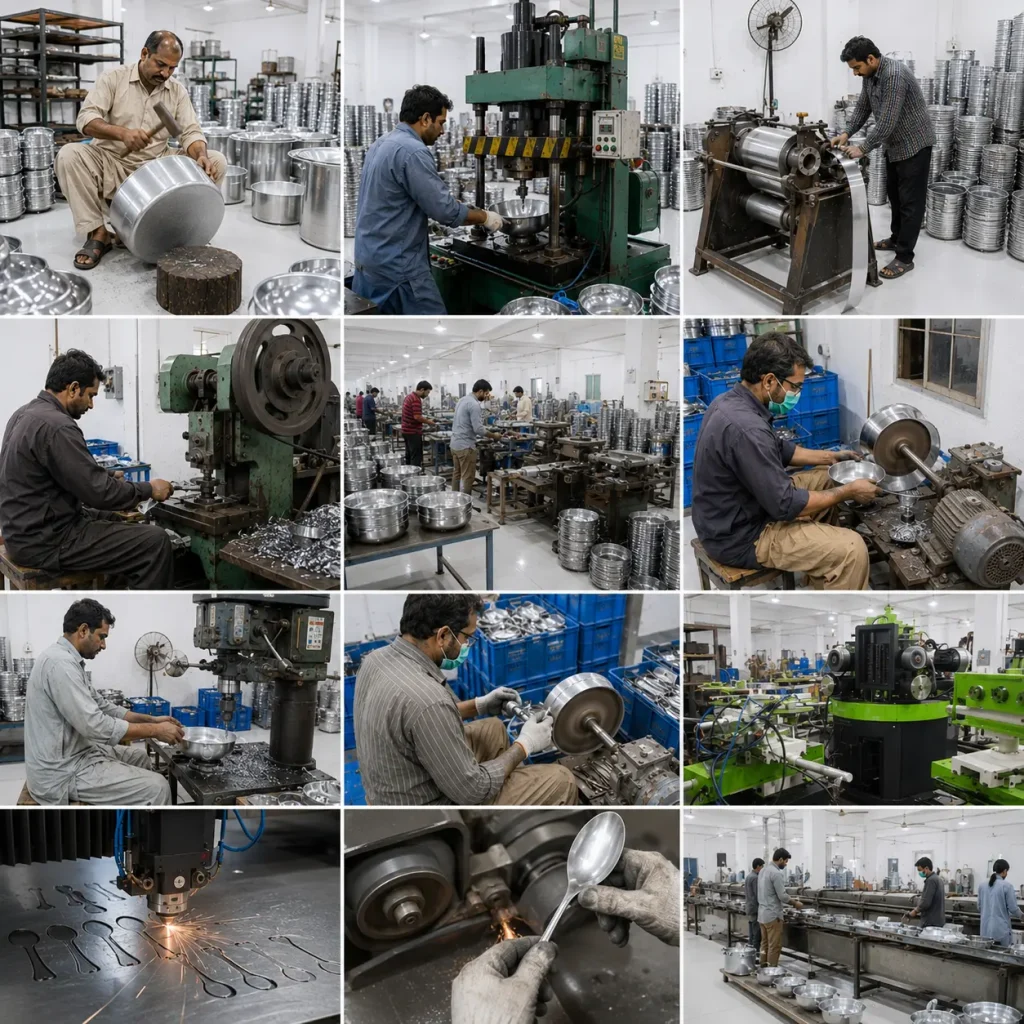
Our operational philosophy centers on four unyielding pillars of manufacturing excellence:
- Uncompromised Material Quality: We work exclusively with certified prime aluminum alloys and food-grade stainless steels. All materials undergo spectrographic chemical analysis before entering the production line.
- Sustainable Resource Conservation: Our lean manufacturing initiatives conserve over 180 Tons of raw metal annually through closed-loop scrap recycling and precision stamping optimization.
- Global Quality Certifications: Fully certified under ISO 9001:2015, CE, ISO 8442, ISO 4957, ISO 15510, GMP, and REACH frameworks, ensuring seamless customs clearance and retail compliance in over 40 export destinations.
- Customer-Centric Supply Chain Performance: Maintaining a 98% client retention rate, Prowa delivers reliable production timelines, agile customer service, and flexible MOQs tailored to expanding brand portfolios.