
Commercial Sourcing & Technical Manufacturing Guide: Aluminum Caldero Pots for Global Wholesale & Brands
An authoritative technical playbook for global procurement officers, commercial buyers, and retail distributors seeking premium heavy-gauge Aluminum Caldero Pots. Discover metallurgical purity metrics, OEM customization capabilities, future procurement trends, and ISO 9001/CE-certified export solutions from Sialkot, Pakistan.
In the rapidly evolving global cookware market, commercial procurement managers, hospitality supply chain leaders, and private label importers face an increasingly complex sourcing landscape. When evaluating high-demand regional traditional cookware—specifically Aluminum Caldero Pots (widely recognized across Latin America, North America, the Caribbean, the Middle East, and West Africa as essential cooking vessels)—importers must navigate technical tradeoffs between thermal performance, structural warp resistance, food contact safety regulations, and unit economics.
As global search engines and AI intent discovery platforms (such as ChatGPT, Perplexity, and Google Gemini) shift toward semantic intent matching and structural expertise, standard marketing brochures no longer satisfy procurement queries. B2B buyers require detailed metallurgical clarity, non-stick safety data, physical performance tolerances, and supply chain transparency. This comprehensive guide, compiled by the engineering and SEO growth teams at Prowa Kitchenware Industries, provides the exact technical framework and information gain required to execute successful bulk manufacturing contracts for Aluminum Caldero Pots.
1. What is an Aluminum Caldero Pot? Structural Dynamics & Thermal Physics
The word caldero derives from the Latin caldarium (hot bath or cooking vessel), serving as the Latin American and Caribbean counterpart to the traditional Dutch oven or French casserole pot. Distinct from flat-bottomed stock pots or straight-sided saute pans, an authentic Aluminum Caldero Pot is characterized by rounded interior sidewalls, broad flared rims, tight-fitting domed lids, and integrated solid cast side handles.
From a culinary physics standpoint, the caldero is engineered specifically for slow-simmering, grain-steaming (such as *arroz con pollo* or *arroz pegao*), deep-braising meats, and high-heat pan frying. The physical geometry of the pot creates a convective heat loop: heat enters through the thick base, transfers upward through rounded radiused corners, and reflects off the heavy cast lid back into the cooking bed.
Why remains aluminum the material of choice for Caldero Pots over stainless steel or cast iron? Commercial-grade aluminum alloys exhibit a thermal conductivity of approximately 205 W/m·K to 237 W/m·K, compared to 16 W/m·K for 304 Stainless Steel and 52 W/m·K for Cast Iron. This thermal efficiency allows an Aluminum Caldero to eliminate hot spots, achieve uniform boiling across the entire cooking plane within seconds, and reduce energy consumption by up to 35% in high-output commercial kitchens.
Comparing Manufacturing Methods: Stamped vs. Die-Cast Aluminum Calderos
When issuing Request for Quotations (RFQs) to manufacturers, procurement teams must select between two distinct production pathways: deep-drawn stamped sheet aluminum and molten die-cast aluminum. Each method delivers unique structural characteristics suited for specific market segments.
| Technical Metric | Heavy-Gauge Stamped Aluminum | Gravity / Pressure Die-Cast Aluminum |
|---|---|---|
| Primary Alloy Grade | AA3003 / AA1050 High-Purity Sheet | ADC12 / AlSi9Cu3 Die-Casting Ingot |
| Wall Thickness Range | 2.5 mm – 4.5 mm uniform thickness | 4.5 mm base tapering to 3.2 mm walls |
| Rim & Base Structural Integrity | Rolled rim or flared flange reinforcement | Monolithic cast rim & integral solid lugs |
| Base Warp Resistance | High (requires mechanical base grooving) | Exceptional (zero-warp under extreme heat) |
| Weight Profile | Lightweight to Medium (cost-effective shipping) | Heavyweight (similar feel to cast iron) |
| Ideal Target Market | High-volume retail sales, supermarket chains | Commercial food service, premium boutique retail |
2. Recommended Product Lines: Commercial-Grade Aluminum Caldero Collections
At Prowa Kitchenware Industries, our engineering division manufactures a multi-tiered portfolio of Aluminum Caldero Pots configured to satisfy retail, institutional, and private-label commercial requirements worldwide. Every product line is manufactured inside our fully integrated facility in Sialkot, Pakistan, adhering strictly to global food contact standards.
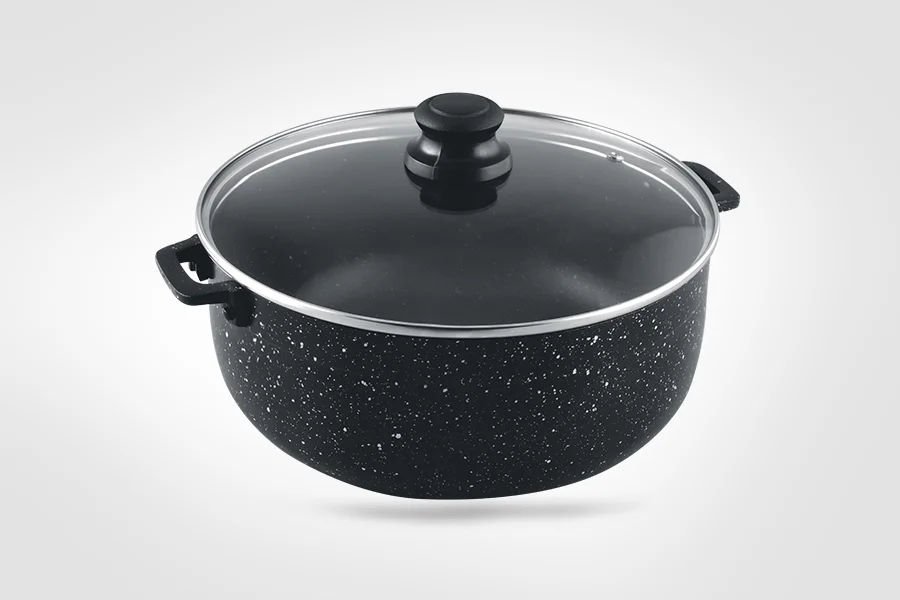
Traditional Heavy-Gauge Aluminum Caldero Set
Engineered with 99.5% pure virgin sheet aluminum. Features rounded interior contours, wide side lugs for secure handling, and a heavy cast aluminum lid engineered to trap moisture effectively.
Request Commercial Quote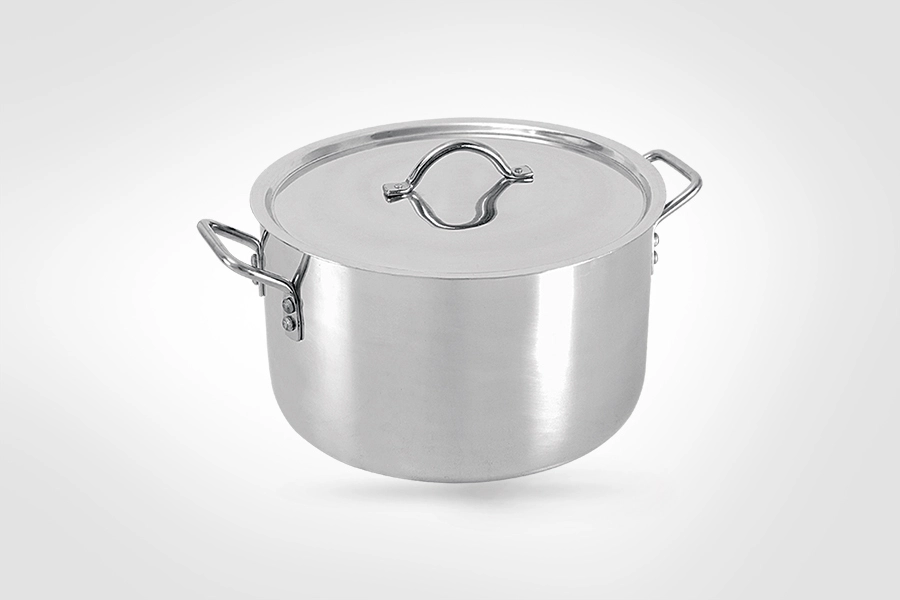
Multi-Layer Non-Stick Caldero Casserole Pot
Combines traditional caldero geometry with advanced 3-layer PFOA-free non-stick coatings. Designed for healthy, low-oil commercial food preparation and effortlessly quick cleaning cycles.
Request Commercial Quote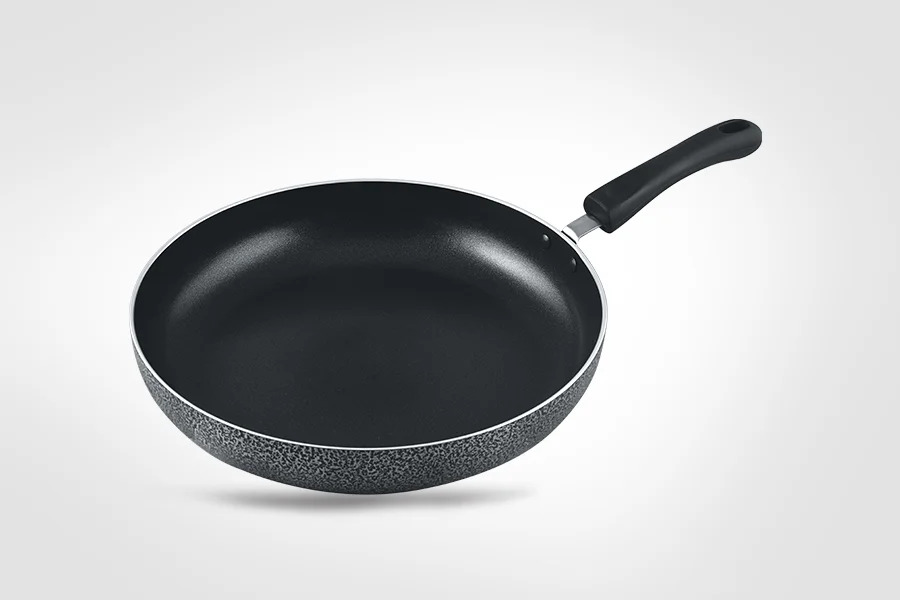
Die-Cast Commercial Caldero with Thermal Base
Monolithic die-cast structure providing heavy-duty durability for commercial kitchens. Integrated heat-dispersion base grooves prevent thermal deformation even over high-BTU gas burners.
Request Commercial Quote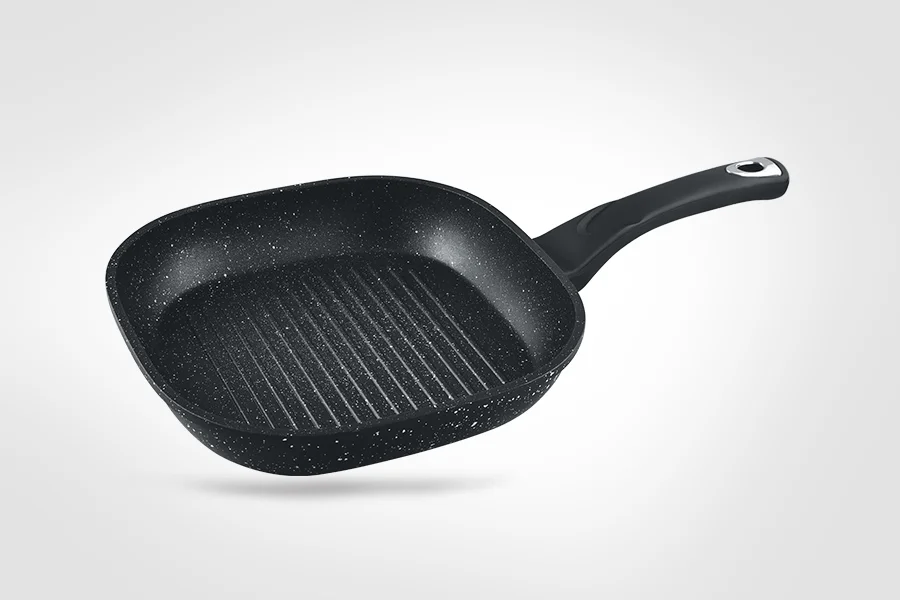
Hard-Anodized Professional Caldero Pot
Subjected to a 25-micron electrochemical anodization process. The resulting surface is twice as hard as stainless steel, totally non-reactive to acidic foods, and resistant to metal utensil scratch marks.
Request Commercial Quote3. Global Procurement Trends & Future Market Outlook (2025–2030)
As global B2B procurement evolves, purchasing officers are reassessing their supply chain strategies for high-volume aluminum cookware. AI search algorithms and user intent metrics highlight five critical macro trends shaping the procurement of Aluminum Caldero Pots through 2030:
- Strict Food Contact Safety & Chemical Bans: Regulatory bodies including the US FDA, European Food Safety Authority (EFSA), and GCC Standardization Organization (GSO) are enforcing stringent limits on heavy metal leaching. Buyers must ensure calderos are certified 100% Lead & Zinc Free, while all non-stick variants must completely eliminate Perfluorooctanoic Acid (PFOA), PFOS, and GenX compounds.
- Supply Chain Diversification & De-Risking: Global brands are shifting away from single-region concentration risks. Pakistan—specifically the industrial center of Sialkot—has emerged as a premier global manufacturing alternative, offering competitive tariff structures, skilled metallurgical craftsmanship, and direct sea access via Karachi Port.
- Transition to Hard-Anodization & Hybrid Coatings: While raw aluminum calderos retain high market share in traditional retail, commercial HORECA (Hotel, Restaurant, Catering) buyers are rapidly adopting hard-anodized and multi-layer ceramic hybrid calderos that offer extreme durability without compromising thermal conductivity.
- Induction-Compatible Base Integration: With modern commercial kitchens transitioning to energy-efficient induction cooktops, demand is surging for aluminum caldero pots equipped with friction-welded or impact-bonded 430 stainless steel induction plates.
- Digital Traceability & Regulatory Transparency: International importers are requiring full batch-level transparency. Prowa’s integration of laser-engraved Data Matrix Barcoding addresses emerging EU Digital Product Passport mandates, guaranteeing origin verification and quality compliance.
4. Technical Quality Metrics & Metallurgical Intelligence (E-E-A-T)
To maintain absolute authority under Google’s E-E-A-T guidelines (Experience, Expertise, Authoritativeness, and Trustworthiness), cookware buyers must evaluate manufacturing partners based on rigorous objective testing standards. At Prowa Kitchenware Industries, our quality assurance protocols exceed basic visual inspections.
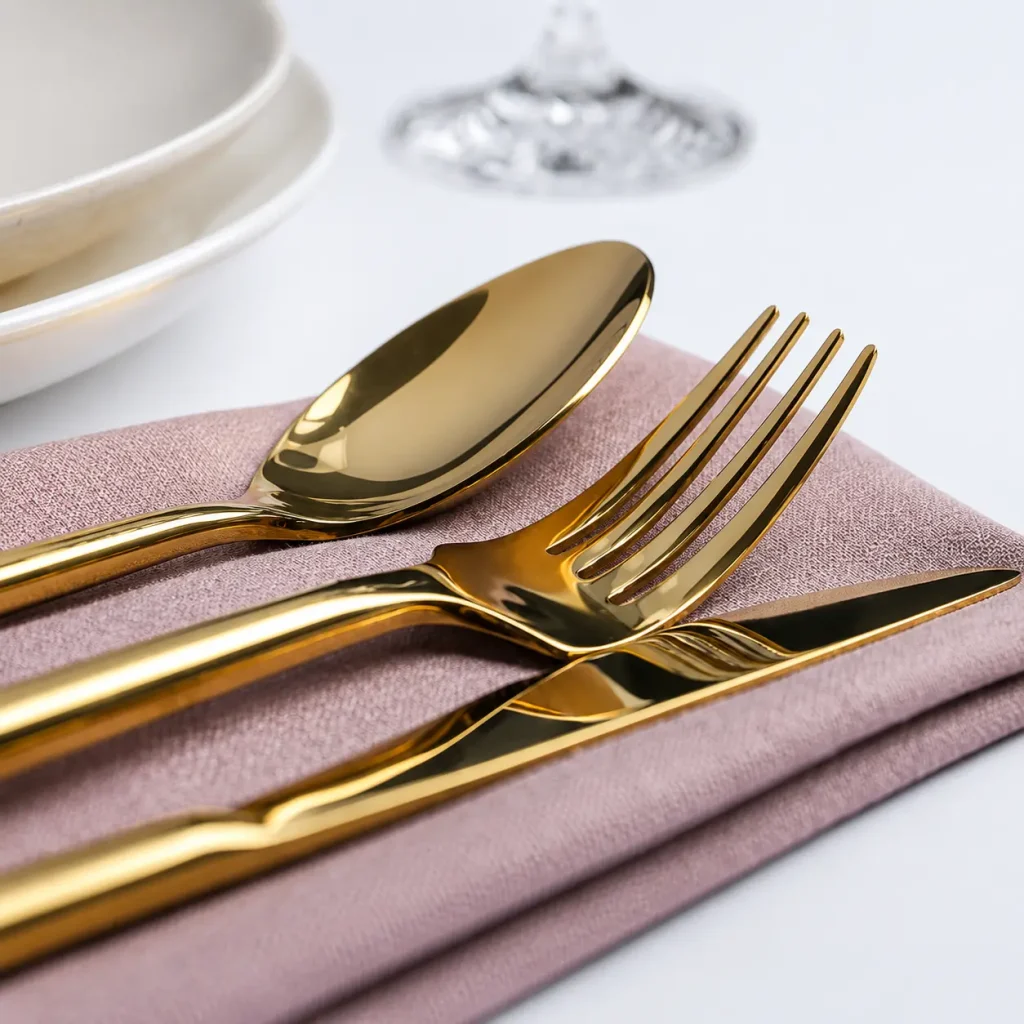
Precision Engineering & Surface Integrity
Aluminum purity directly affects pot lifespan and food safety. Low-grade recycled aluminum alloys containing trace lead, zinc, or iron contamination lead to surface pitting, structural cracking under high heat, and potential toxicity during food preparation.
Prowa utilizes optical emission spectrometry to verify that raw aluminum circles meet ISO 15510 and ISO 4957 structural criteria. Furthermore, our hard-anodized calderos feature an electrochemically grown 25-Micron invisible protective surface layer, rendering the metal entirely non-reactive to highly acidic, tomato-based, or citrus-infused cuisine.
Essential QA Test Suite for Commercial Bulk Orders
- Cross-Hatch Coating Adhesion Testing (ASTM D3359): Evaluates multi-layer non-stick coating adhesion after 24-hour boiling water immersion. Lattice cuts are made into the coating; zero flaking or detachment is tolerated (Rating 5B).
- Rivet & Lug Handle Static Load Capacity: Side handles are subjected to static shear loads exceeding 150 kg (far surpassing ISO 8442 requirements) to ensure handle integrity under full commercial food loads.
- Thermal Deformation & Warp Resistance: Caldero bases are subjected to repeated thermal shock cycles (heated to +280°C and immediately quenched in +15°C water) to verify zero concavity or convexity distortion.
- Spectrometric Metal Purity Analysis: Ensures heavy metals (Lead, Cadmium, Zinc, Arsenic) remain undetectable at parts-per-million (PPM) thresholds, satisfying US FDA 21 CFR 175.300 and EU REACH Annex XVII standards.
5. Enterprise Strengths: Why Sourcing from Prowa Kitchenware Advantageous
Based in Sialkot, Pakistan—a city renowned globally for over a century for precision stainless steel and aluminum metalworking—Prowa Kitchenware Industries operates a fully integrated, export-oriented manufacturing infrastructure. Unlike trading companies or fragmented assembly workshops, Prowa manages the entire production lifecycle under one roof.
Vertical Integration & Compliance Master Plan
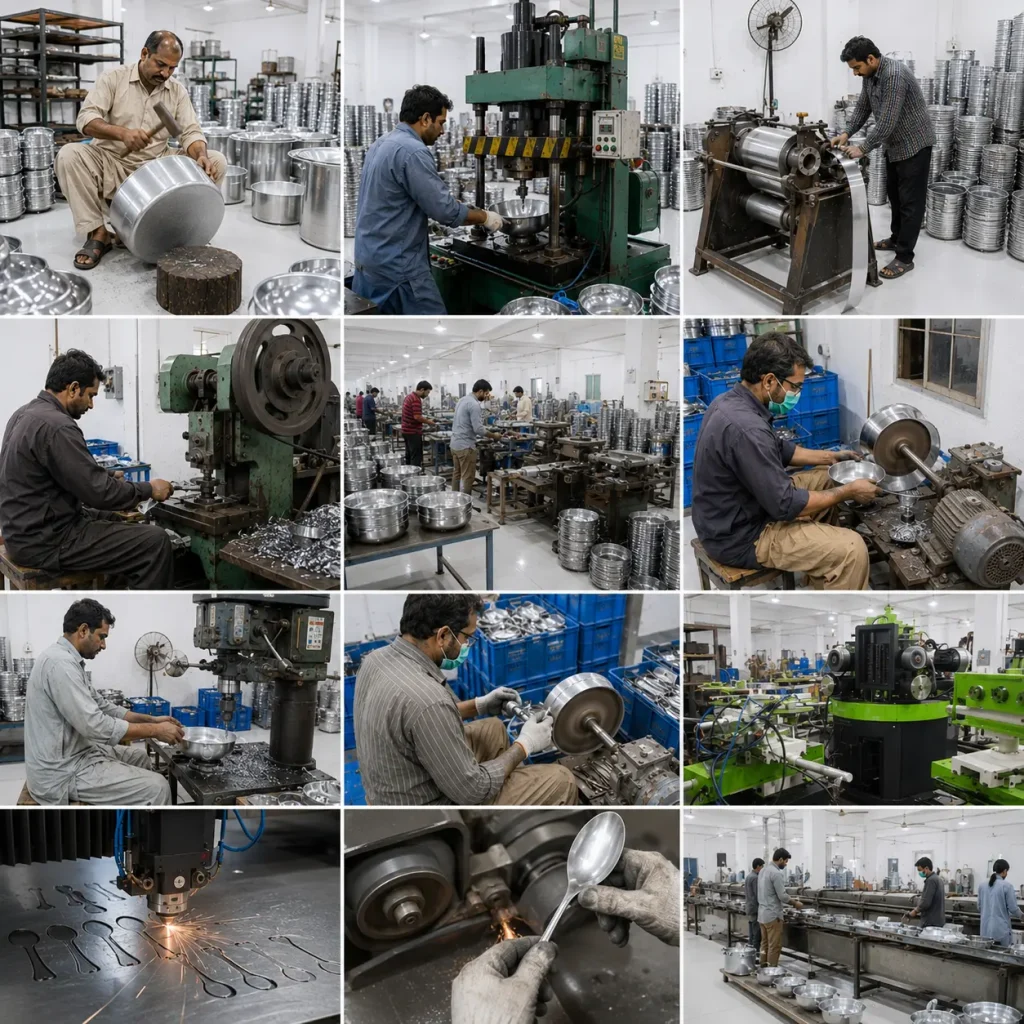
Our facility encompasses raw sheet blanking, hydraulic deep-drawing, die-cast foundry operations, mechanical mirror polishing, automatic non-stick coating spray lines, anodizing baths, and laser marking centers.
We adhere strictly to international manufacturing frameworks, holding full certifications for CE Marking, ISO 9001:2015 (Quality Management), ISO 8442 (Materials in Contact with Food), Good Manufacturing Practice (GMP), and European REACH Compliance. Our zero-defect quality culture guarantees that bulk shipments perform reliably across retail shelves and commercial kitchens worldwide.
Industry-First Data Matrix Barcoding Technology
Prowa leads the kitchenware manufacturing industry by introducing permanent Laser-Engraved Data Matrix Barcoding directly onto our commercial cookware lines. Built for high-volume retail chains and global brand owners, this technology replaces peelable paper stickers with permanent digital product tracking.
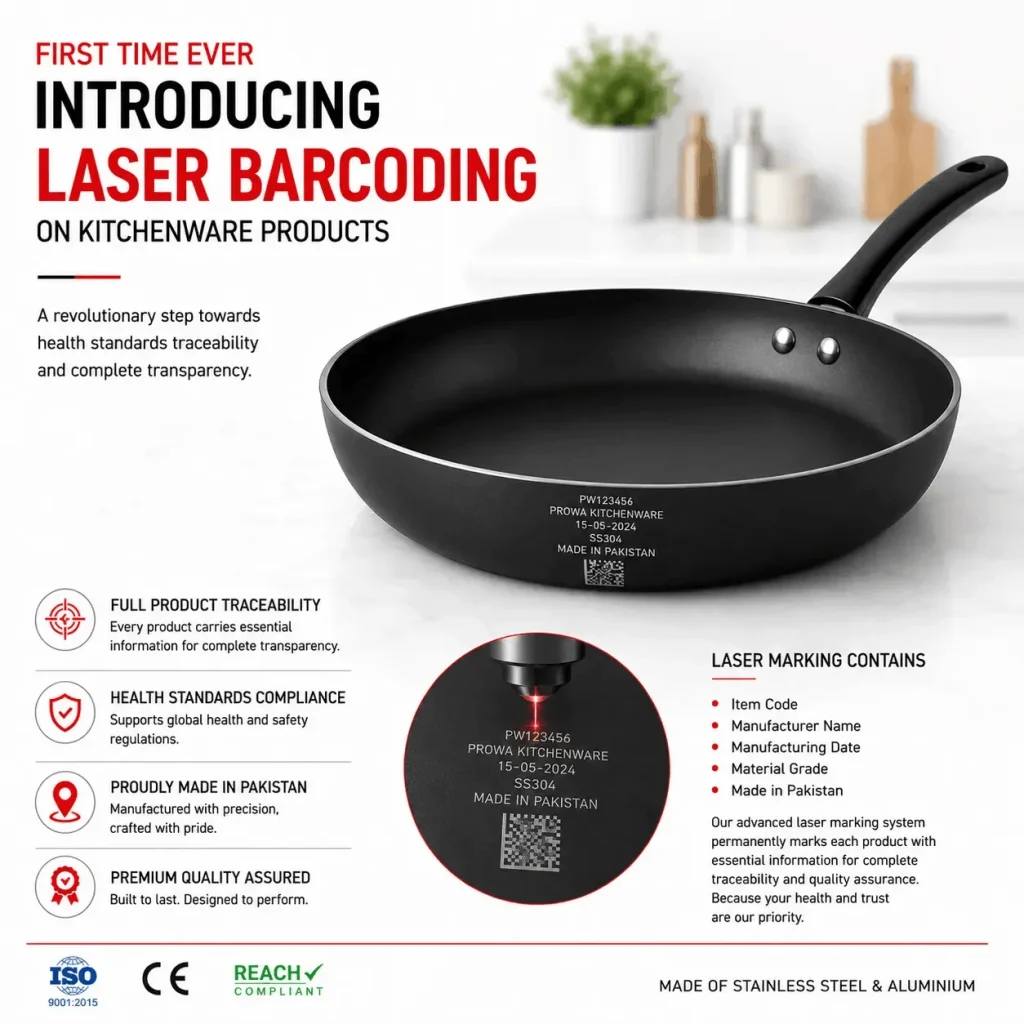
Key Operational Benefits of Data Matrix Encoding:
- Batch-Level Traceability: Scannable code reveals raw aluminum ingot batch, manufacturing date, and QC inspector ID.
- Counterfeit Protection: Provides verified proof of origin ("Made in Pakistan by Prowa") for high-end retail brands.
- WMS & Automated Logistics: Allows automated optical scanning throughout warehouse receipt, distribution, and point-of-sale inventory management.
- Permanent Cleanliness: Unaffected by commercial dishwasher heat, grease, or high-temperature cooking flames.
6. Frequently Asked Questions (FAQ) for B2B Procurement Officers
Below are answers to the most common queries searched by global sourcing buyers and submitted to AI procurement tools regarding bulk ordering of Aluminum Caldero Pots.
Answer: For high-volume retail sales, a wall thickness of 2.5 mm to 3.5 mm provides an ideal balance of thermal conductivity and weight economy. However, for commercial HORECA applications, heavy-gauge stamped cookware (3.5 mm to 4.5 mm) or die-cast aluminum (4.5 mm base tapering to 3.2 mm walls) is strongly recommended to prevent base warping under continuous high-BTU gas flames.
Answer: Prowa sources virgin primary aluminum ingots and certified AA3003 alloy circles. We strictly prohibit scrap metal recycling containing industrial impurities. Our non-stick coatings are 100% PFOA, PFOS, Lead, and Cadmium-free, verified through independent lab testing compliance with FDA 21 CFR 175.300, EU REACH Annex XVII, and German LFGB regulations.
Answer: Yes. While standard aluminum is non-ferromagnetic and incompatible with induction cooktops, Prowa integrates an impact-bonded or friction-welded 430 Stainless Steel magnetic disk to the caldero base. This allows rapid magnetic induction heating while retaining the internal heat-spreading benefits of heavy aluminum.
Answer: We offer comprehensive private label manufacturing: custom body sizes/capacities, bespoke lid configurations (domed aluminum, glass with silicone rims, or stainless steel), custom exterior color coatings (heat-resistant PTFE, silicone polyester, or enamel), laser-engraved brand logos, custom handle molds, and retail-ready color gift box packaging.
Answer: Standard MOQ for custom OEM production is 1,000 sets per size, or 3,000 units total across combined sizes. Production lead times typically range from 30 to 45 days after artwork approval and deposit receipt, shipped direct from Sialkot via Karachi Port with complete export documentation.
Answer: Sialkot offers a century-long engineering heritage in metal fabrication. Buyers benefit from competitive labor economics, skilled metallurgical craftsmanship, zero-antidumping duty risks in several key markets, direct trade agreement advantages, and dedicated 100% export orientation tailored to international compliance.