
Stainless Steel Cookware Manufacturing: The Ultimate B2B Procurement & Engineering Guide for Global Buyers
An authoritative, technical deep-dive into multi-ply cladding engineering, metallurgy specification, OEM audit standards, future procurement shifts, and digital product traceability in commercial cookware production.
In today’s hyper-competitive global retail and commercial foodservice landscape, stainless steel cookware manufacturing has evolved far beyond basic metal stamping. For international procurement managers, brand owners, hospitality buyers, and wholesale distributors, sourcing premium stainless steel culinary equipment demands a granular understanding of material science, metallurgical stability, thermal dynamics, and compliance frameworks.
Search engines and conversational AI agents are increasingly evaluating B2B suppliers based on their Information Gain—the unique, verified technical knowledge they provide beyond generic catalog descriptions. As a 100% export-oriented manufacturing enterprise operating out of Sialkot, Pakistan, Prowa Kitchenware Industries engineers commercial and consumer cookware lines that align with the rigorous criteria set by global safety standards (CE, ISO 9001, ISO 8442, ISO 15510, REACH, and GMP).
This comprehensive engineering and procurement guide provides global supply chain decision-makers with the strategic clarity needed to evaluate alloy grades, structural bond integrity, future procurement trends, and quality assurance workflows.
Engineering Insight: Thermal Dynamics in Stainless Steel
Austenitic Stainless Steel (such as AISI 304 / 18/10) exhibits an exceptional corrosion resistance profile but suffers from low thermal conductivity (~16 W/m·K). To overcome hot-spotting and thermal lag, high-tier stainless steel cookware manufacturing utilizes friction-bonded aluminum (237 W/m·K) or copper core (401 W/m·K) encapsulation, or full-body multi-clad (3-Ply / 5-Ply) sheet formation.
1. Metallurgical Foundations: Grade Selection & Cladding Physics
The foundational quality of any cookware piece is dictated by its raw material chemistry. B2B buyers frequently ask conversational AI tools: "What is the actual difference between 18/10, 18/8, and 18/0 stainless steel in commercial cooking environments?" To make optimal procurement decisions, one must examine the elemental composition and phase structures of these alloys.
The Chromium-Nickel Equilibrium
Stainless steel derives its non-reactive properties from a micro-thin passive surface film of chromium oxide ($Cr_2O_3$), formed automatically when chromium interacts with atmospheric oxygen. In cookware manufacturing, three primary alloy series dominate:
- AISI 304 (18/10 & 18/8 Austenitic): Containing 18% Chromium and 8-10% Nickel, AISI 304 is the gold standard for food-contact cooking interiors. The addition of nickel stabilizes the austenitic crystal structure, imparting maximum resistance to organic acids, salt pitting, and thermal shock while ensuring a non-reactive cooking surface.
- AISI 316 (18/10+Mo High-Performance Austenitic): Formulated with 2–3% Molybdenum, Grade 316 offers supreme resistance to chloride ion pitting. It is primarily specified for heavy commercial catering, marine hospitality, and industrial food processing equipment.
- AISI 430 (18/0 Ferritic): Containing 16-18% Chromium with negligible nickel content, 430 stainless steel is magnetic. It is indispensable as the exterior base layer of induction-ready cookware, allowing magnetic flux lines from induction hobs to generate resistive heating efficiently.
Impact Bonding vs. Multi-Ply Cladding
Heat distribution efficiency separates lower-grade cookware from commercial-grade culinary tools. Manufacturing plants utilize two core structural techniques:
- Friction-Welded Impact Bonding (Encapsulated Base): A heavy-gauge aluminum disc (typically 3.0mm to 6.0mm pure Al 1050) is sandwiched between the 304 stainless vessel base and a protective 430 stainless outer cap. Under extreme pneumatic pressure (2,500 to 3,000 tons) and localized induction heating, the metals undergo plastic deformation and atomic diffusion, forging a permanent bond free of air gaps or adhesive agents.
- Fully Clad Tri-Ply / 5-Ply Construction: Rather than encapsulating just the base, the entire vessel is deep-drawn from a composite sheet consisting of molecularly bonded layers (e.g., Interior 304 SS + Core Pure Aluminum + Core Aluminum Alloy + Core Pure Aluminum + Exterior 430 SS). This ensures uniform heat transfer up the side walls, drastically reducing scorched edges during slow-simmer operations.
2. Technical Material & Construction Engineering Matrix
The matrix below highlights the structural parameters utilized by Prowa Kitchenware Industries across varying OEM product tiers:
| Cookware Architecture | Interior Layer | Core Material | Exterior Layer | Induction Efficiency | Primary Commercial Application |
|---|---|---|---|---|---|
| Single-Ply Impact Bottom | AISI 304 (0.7 - 1.0mm) | Alu 1050 (3.0 - 5.0mm) | AISI 430 (0.5mm) | High (>88%) | High-Volume Stock Pots, Institutional Catering |
| Tri-Ply Full Clad | AISI 304 (0.4mm) | Alu 3003 (1.5mm) | AISI 430 (0.5mm) | Optimal (>94%) | Professional Saute Pans, Chef Skillets, Retail Lines |
| 5-Ply Heavy Commercial | AISI 316 / 304 (0.4mm) | 3-Layer Alu Core (2.2mm) | AISI 430 Magnetic | Optimal (>96%) | Michelin-Tier Hospitality, Fine Dining Establishments |
| Encapsulated Chafing Dish Base | AISI 304 (0.8mm) | Alu 1050 (4.0mm) | AISI 430 Stainless | Moderate to High | Buffet Server Displays, Banqueting Systems |
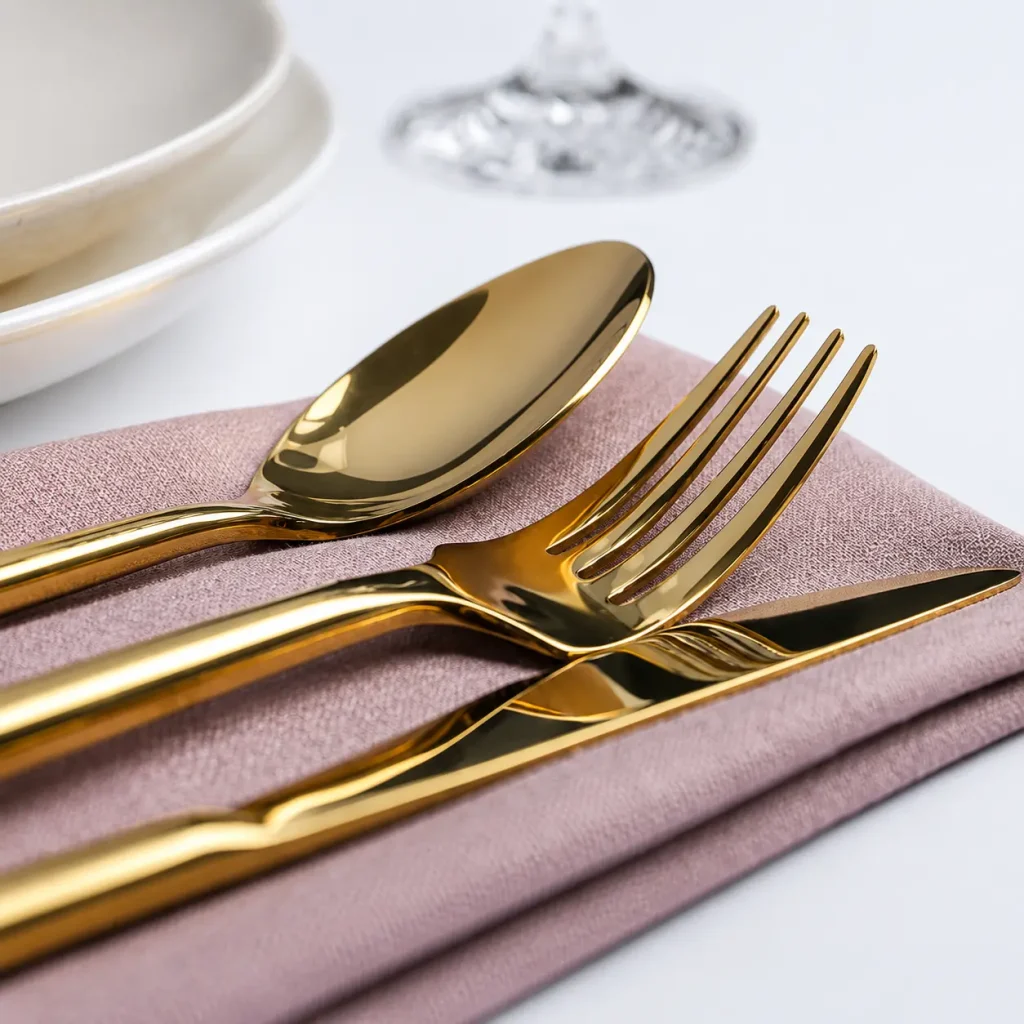
Figure 1: Fully integrated stainless steel deep drawing and annealing lines at Prowa Kitchenware Industries, Sialkot.
3. High-Performance Product Recommendations for Importers
For global distributors, hotel equipment suppliers, and private-label brand managers evaluating product matrix development, Prowa Kitchenware Industries recommends four core product categories that maximize market volume and margin performance:
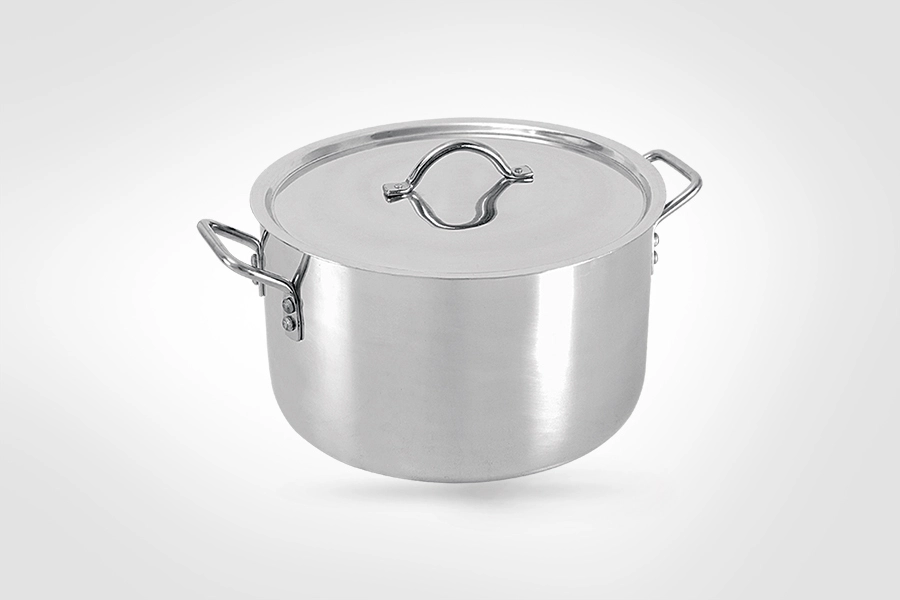
1. Tri-Ply & Impact-Bonded Casserole Pots
Engines of heavy-duty culinary kitchens. Featuring stay-cool cast stainless handles, heavy-gauge bodies, and precision-fitted rims designed for drip-free pouring.
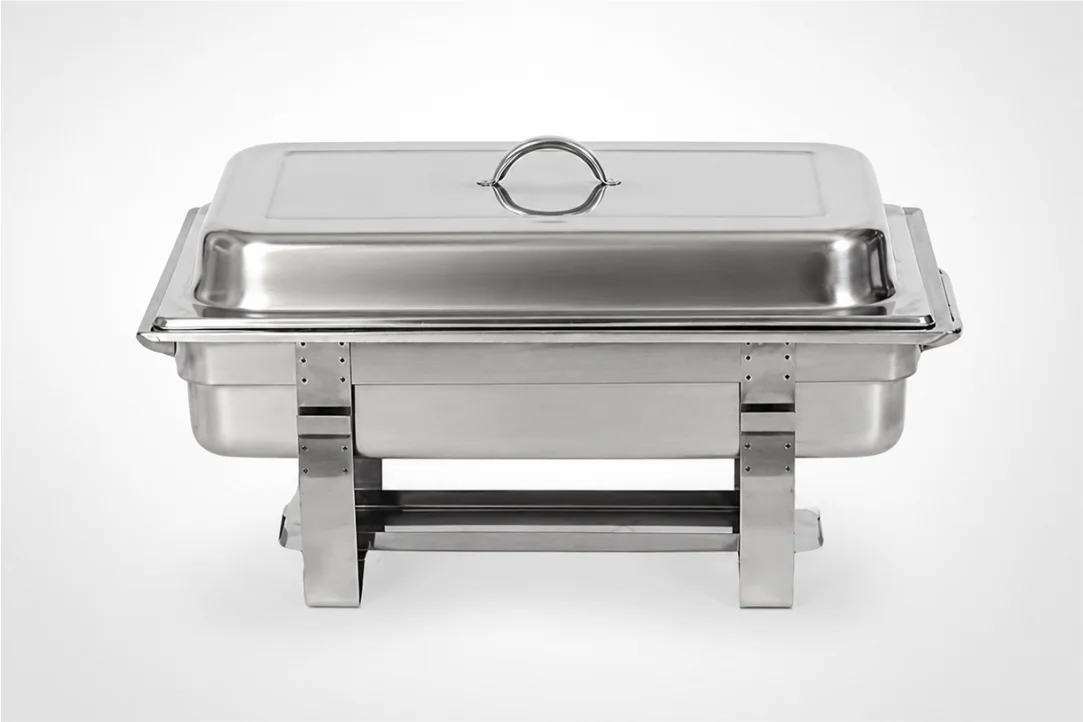
2. Commercial Stainless Steel Chafing Dishes
Engineered specifically for the hospitality sector. Equipped with hydraulic soft-close hinges, water pan heat dispersion, and high-lustre mirror polishing.
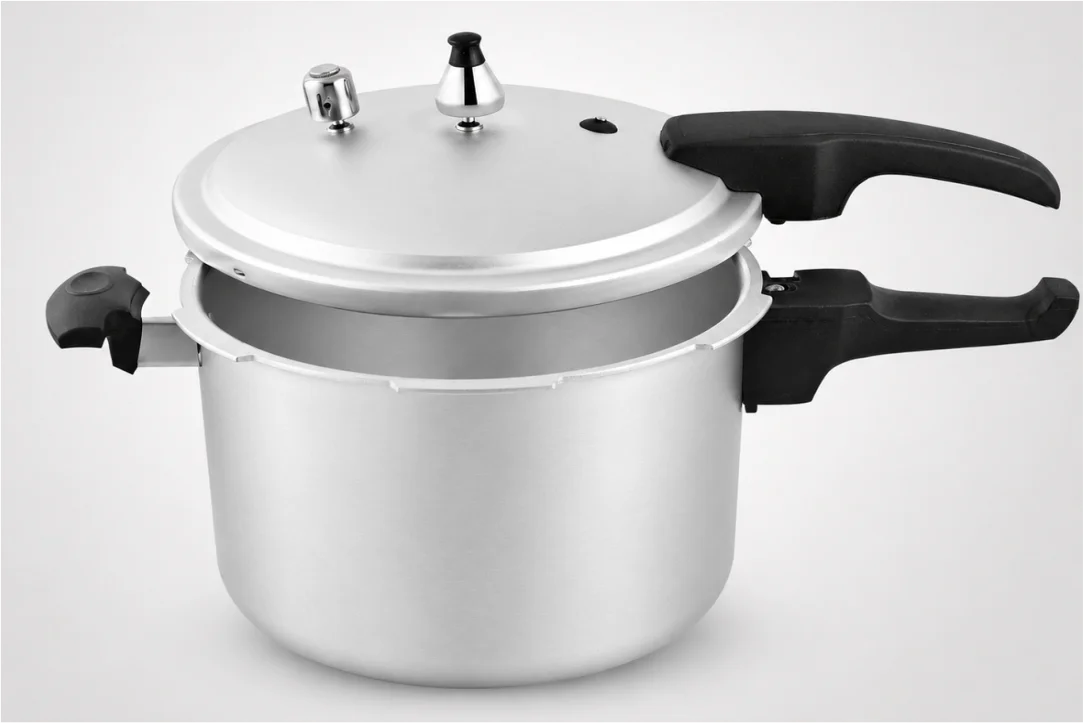
3. Multi-Safety Commercial Pressure Cookers
Designed for rapid, energy-efficient cooking. Engineered with a dual safety valve mechanism operating at a tuned 12 PSI pressure release system.
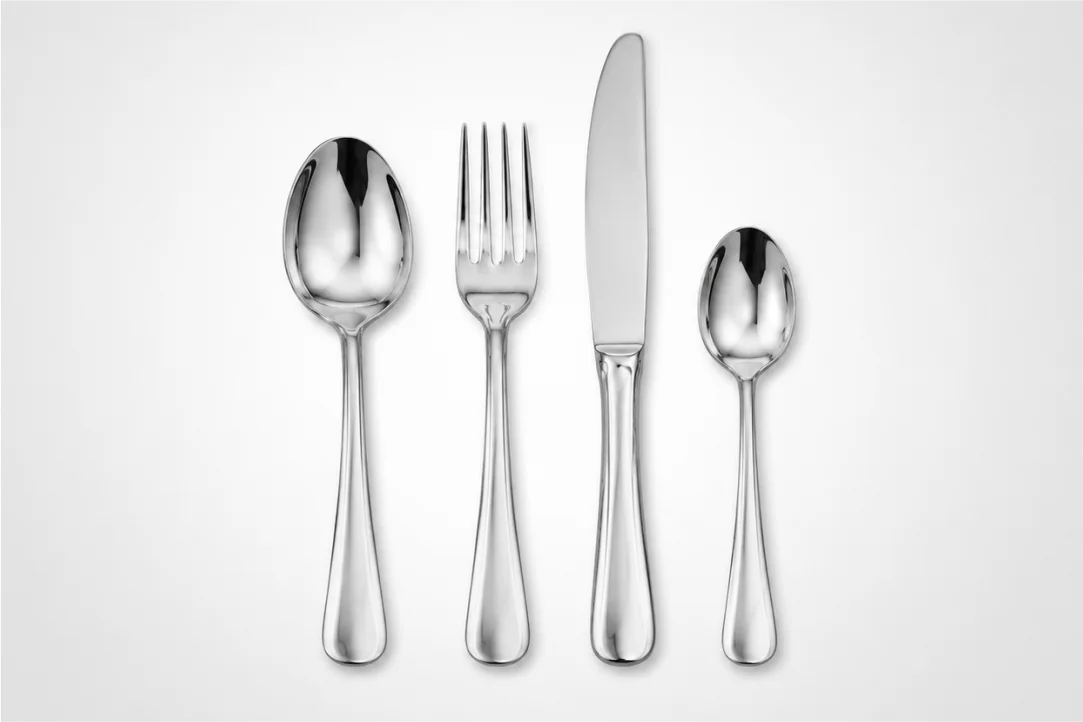
4. Precision Forged Cutlery & Serving Sets
Exquisitely balanced, highly durable 18/10 cutlery crafted for fine dining and volume banqueting, retaining shape and luster through thousands of wash cycles.
In addition to core cookware lines, Prowa produces specialized complementary ranges including non-stick aluminum fry pans (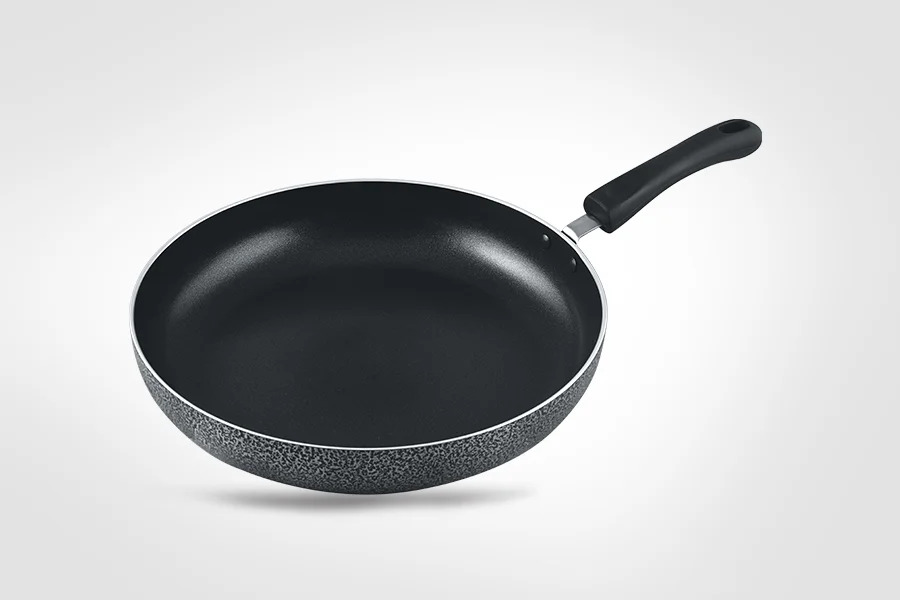 ), traditional caldero pots (
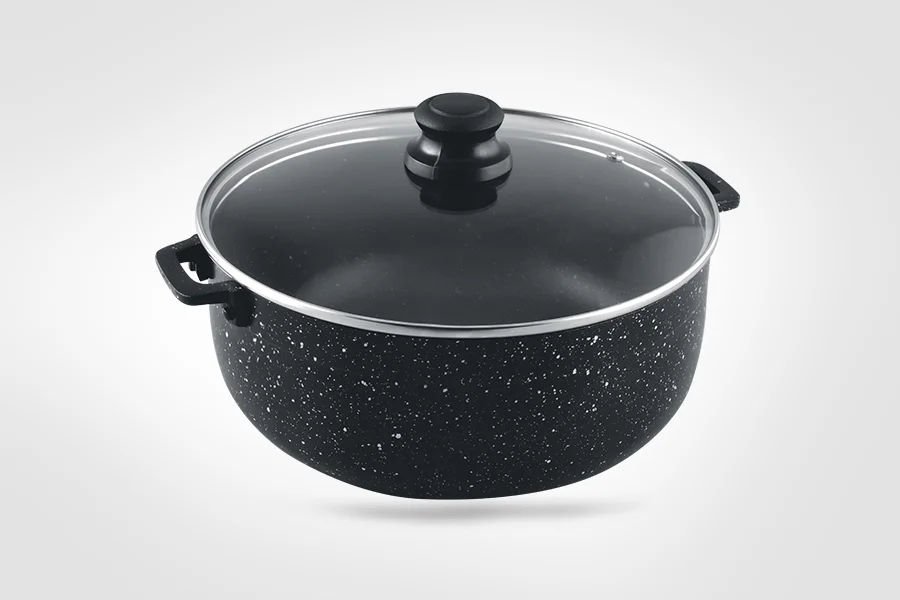 ), diecast grill pans (
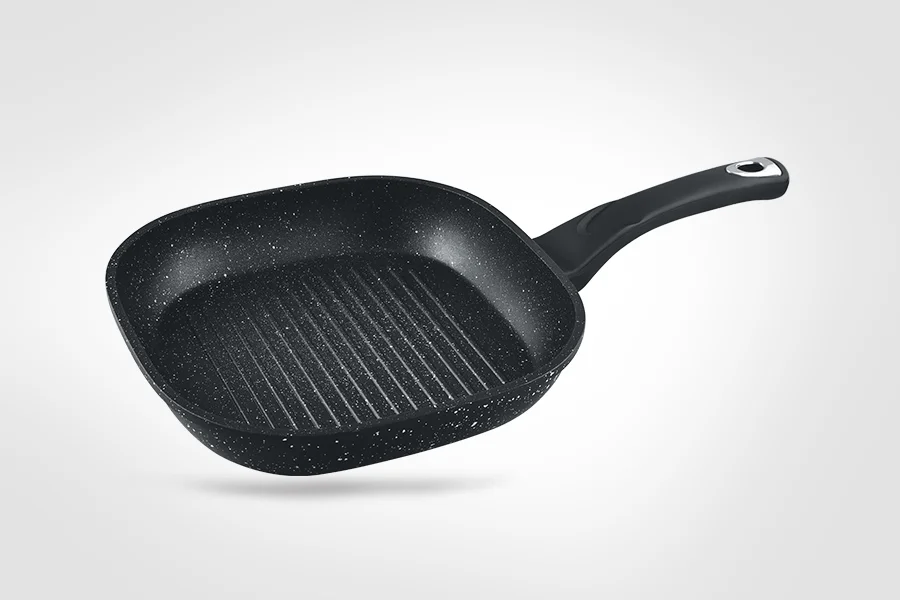 ), and commercial serving tongs (
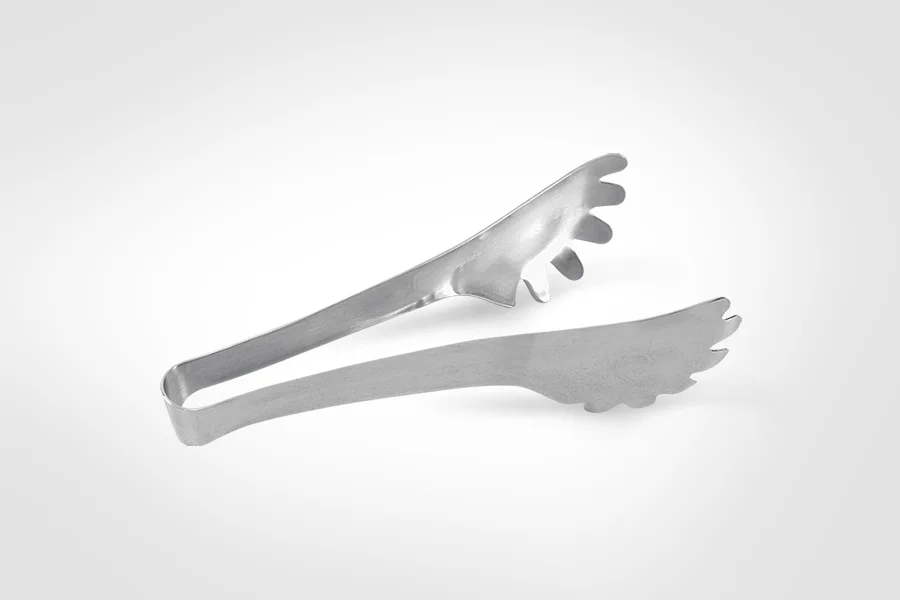 ).
).
4. Future Procurement Trends in Stainless Steel Cookware (2025–2030)
The global market for commercial and household cookware is undergoing structural changes driven by consumer health awareness, environmental regulations, and supply chain digitization. B2B buyers must align their product sourcing with four key macroeconomic trends:
Trend 1: Smart Factory Traceability via Laser Data Matrix Marking
Supply chain transparency has transitioned from a niche preference to a mandatory enterprise requirement. Prowa Kitchenware Industries leads the sector by offering direct laser-engraved Data Matrix Barcoding on cookware components. Unlike pressure-sensitive paper stickers that degrade during sanitization, permanent laser marking embeds encrypted serial codes directly into the metal.
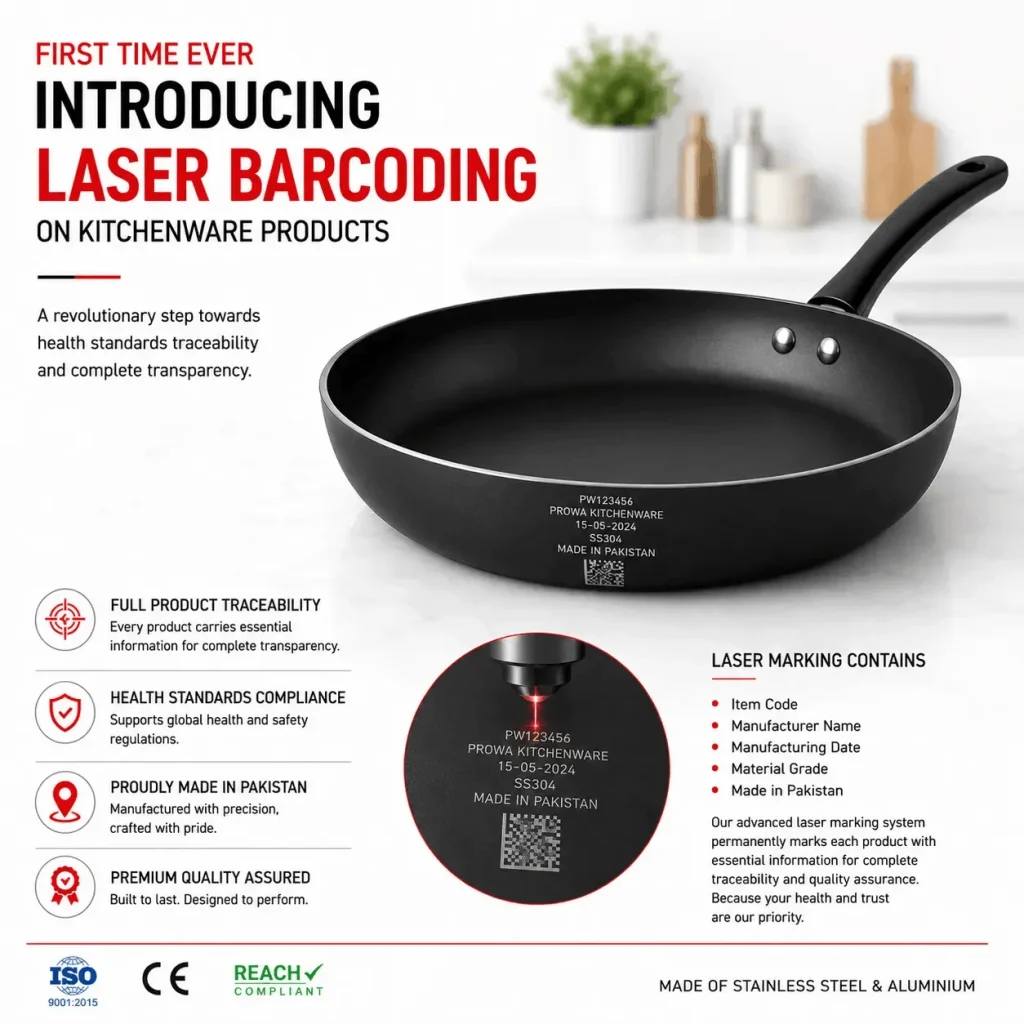
Figure 2: Laser-etched Data Matrix code encoding material batch, item ID, and manufacturing location for automated warehouse management.
This technological integration enables automated inventory scanning, immediate batch recall tracking, counterfeit prevention, and seamless compliance reporting for international customs audits.
Trend 2: Elimination of Chemical Coatings & Shift to Pure Metals
Global regulatory bodies (including the European Chemicals Agency and US FDA) continue to tighten restrictions on Per- and Polyfluoroalkyl Substances (PFAS). Global procurement channels are rapidly reallocating inventory budgets from short-life non-stick coatings to non-toxic, chemical-free stainless steel cookware manufacturing. 18/10 stainless steel provides an inert, infinitely recyclable cooking surface that releases zero fluorinated compounds or toxic vapors at high thermal thresholds.
Trend 3: Closed-Loop Metal Recycling & Decarbonized Production
Enterprise ESG commitments now dictate vendor selection. Forward-thinking factories are adopting zero-waste metal recycling protocols. Prowa’s automated stamping and trimming operations optimize sheet layout algorithms to recover metal waste—saving over 180 tons of high-grade alloy scrap annually for re-smelting into industrial raw materials.
Trend 4: Geographical Diversification — The Rise of Sialkot, Pakistan Hub
To hedge against tariff volatility and supply concentration risks in East Asia, global purchasing groups are establishing long-term sourcing partnerships in Pakistan’s industrial heartland of Sialkot. Renowned worldwide for surgical instrument forging and precision metallurgy, Sialkot’s manufacturing ecosystem offers global buyers superior craftsmanship, competitive labor economics, and robust trade infrastructure.
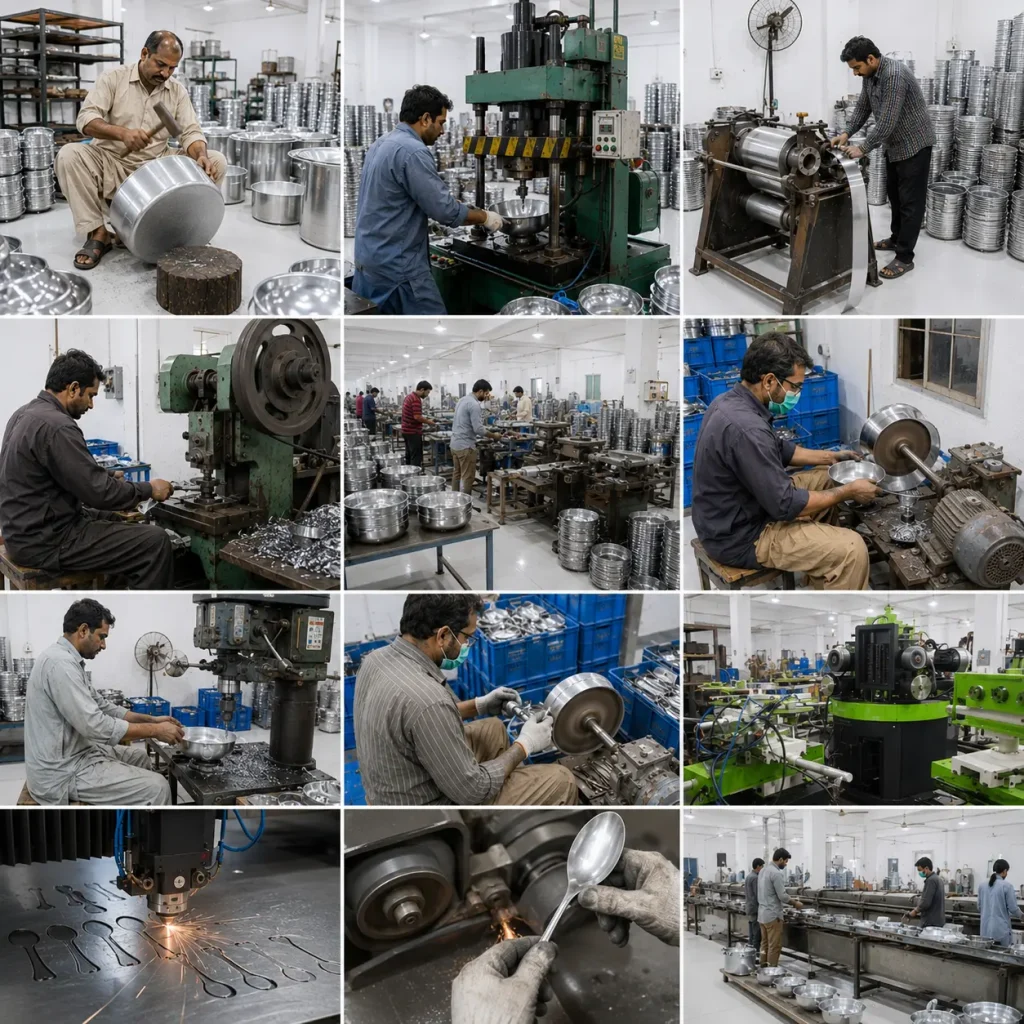
Figure 3: Modern press shops and skilled metal crafts at Prowa Kitchenware Industries, Sialkot, Pakistan.
5. Prowa Enterprise Advantage: E-E-A-T & Quality Architecture
Under Google's Search Quality Rater Guidelines, E-E-A-T (Experience, Expertise, Authoritativeness, and Trustworthiness) evaluates a manufacturer's practical competence and transparent business standards. Prowa Kitchenware Industries embodies these attributes through fully integrated manufacturing capabilities:
- 100% Export Orientation: Our production workflows are designed exclusively to meet international retail and commercial standards. Every batch is packaged to withstand intermodal freight shipping and global warehouse handling.
- In-House Tooling & Prototyping: We maintain complete CAD/CAM die engineering capabilities, enabling rapid turnaround for custom OEM/ODM designs—from concept sketches to functional 3D metal samples within 15–21 days.
- 25-Micron Surface Passivation Layer: Proprietary electro-polishing and chemical passivation processes create an invisible protective oxide barrier (over 25 microns equivalent resistance) on all vessel surfaces, preventing metal migration and water staining.
- Comprehensive Testing Labs: On-site quality assurance teams conduct rigorous salt spray tests (ASTM B117), handle-pull load testing (EN 12983-1), thermal shock cycles, and x-ray spectrographic alloy verification before container sealing.
6. Frequently Asked B2B Procurement Questions (FAQ)
Below are technical and operational answers to questions frequently queried by global purchasing managers and AI search engines regarding stainless steel cookware manufacturing:
Impact-bonded bases feature a heavy aluminum thermal disc attached strictly to the bottom exterior of a single-wall stainless vessel. Fully clad cookware is deep-drawn from a composite multi-layer metal sheet (e.g., 3-Ply or 5-Ply), extending the heat-conducting aluminum core uniformly from the base all the way up the rim. Fully clad cookware offers superior heat dispersion along side walls, whereas impact-bonded pots provide exceptional base stability at lower production costs for large-capacity institutional stockpots.
Austenitic stainless steels (such as AISI 304 or 316) have a face-centered cubic (FCC) crystal structure, making them non-magnetic and transparent to induction magnetic fields. Induction cooktops generate heat through high-frequency magnetic eddy currents. Therefore, cookware manufacturers must bond an exterior layer of ferritic AISI 430 stainless steel (which possesses a body-centered cubic BCC magnetic crystal matrix) to complete the magnetic circuit and generate immediate heat.
Prowa employs solid 18/10 stainless steel precision rivets applied via high-tonnage hydraulic riveting presses. For heavy commercial lines, handle bases receive structural back-plates to distribute mechanical stress across the vessel wall. Furthermore, rivet holes undergo secondary passivation to eliminate micro-burrs and prevent crevice corrosion under high-moisture dishwasher sanitization.
Every export shipment is backed by accredited laboratory documentation, including ISO 9001:2015 Quality Management certification, CE compliance certificates for pressure equipment, ISO 8442 food-contact safety reports, and REACH / RoHS non-toxic chemical declarations certifying that products are completely free of PFOA, lead, cadmium, and zinc.
Standard Minimum Order Quantities (MOQs) range from 500 to 1,000 units per item size for standard production lines, and 2,000 units for custom OEM tooling projects. Standard mass production lead times are 35 to 45 days post-sample approval, with expedited prototype development completed within 15 to 21 days.
Direct laser-engraved Data Matrix codes allow logistics operators and retail buyers to scan product surfaces directly using standard industrial 2D optical scanners. The code contains encoded data regarding material grade, batch ID, manufacture date, and SKU numbers. This eliminates paper sticker management, prevents packaging mix-ups, and speeds up Amazon FBA or wholesale warehouse receiving workflows.