
Industry Insights & Manufacturing Blog
Explore expert technical guides, material standards, and global supply chain updates from Prowa Kitchenware Industries.
Top 10 Aluminum Caldero Pots for Global Buyers
Table of Contents
- What Are Aluminum Caldero Pots and Who Uses Them?
- How to Evaluate Aluminum Caldero Pots for Global Purchasing
- Top 10 Aluminum Caldero Pots Compared by Size, Design, and Performance
- What Buyers Should Know About Materials, Safety, and Durability
- How to Select Suppliers, Verify Quality, and Manage International Orders
- FAQS
- Conclusion
- Related Posts
Choosing among the Top 10 Aluminum Caldero Pots for Global Buyers requires more than comparing prices and polished finishes. These pots serve busy kitchens, family tables, caterers, and restaurant suppliers. Their wide bodies, rounded sides, and tight-fitting lids support rice, stews, beans, and slow-cooked meats. Yet appearance can mislead. A bright surface does not always indicate strong construction.
Cookware quality consultant Elena Marquez offers a practical reminder: “A reliable caldero should distribute heat evenly, handle daily movement, and remain easy to inspect.” That standard matters when buyers compare Aluminum Caldero Pots from different manufacturers. Check the aluminum thickness, handle attachments, lid alignment, and interior finish. Riveted handles may provide dependable support, but poor riveting can loosen over time. Small details matter.
Heat moves quickly through aluminum.
Global buyers should also examine capacity, carton protection, labeling, and replacement-part availability. Some models include nonstick coatings, while others use naturally smooth aluminum surfaces. Each option has trade-offs. Nonstick finishes can simplify cleaning, but they may require gentler utensils. Bare aluminum can feel more traditional, though it may react with certain acidic foods. Induction users need special attention. Standard aluminum usually requires a compatible magnetic base.
This guide is useful, but not perfect. Product specifications can change between production batches. Supplier claims also deserve verification through samples, inspection reports, and controlled cooking tests. The strongest choice is not always the heaviest pot. It is the model that balances heat control, handling comfort, durability, and consistent supply. That balance helps buyers make fewer costly mistakes.
What Are Aluminum Caldero Pots and Who Uses Them?
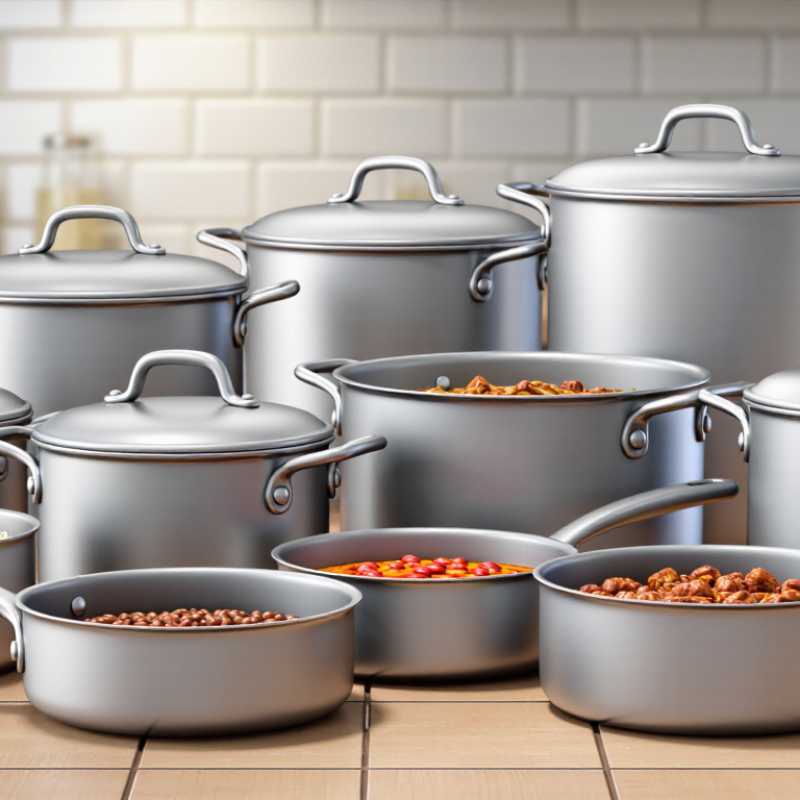
An aluminum caldero is a deep cooking pot with rounded sides, a tight lid, and strong side handles. It is common in Caribbean, Latin American, Filipino, and African kitchens. Families use it for rice, beans, stews, soups, and large holiday meals. Caterers also value its broad base and fast heat response. A well-sized caldero can move from a small apartment stove to a busy community kitchen.
Global buyers should examine more than appearance. Pot thickness, handle rivets, lid fit, and surface consistency affect daily performance. Aluminum cookware remains attractive because it is lightweight and conducts heat efficiently. Grand View Research identifies aluminum cookware as a growing global market, supported by household demand and commercial food service. The International Aluminium Institute reported global primary aluminum production above 70 million tonnes in 2023, showing the material’s extensive industrial supply. These figures describe wider markets, not caldero sales specifically.
Usage habits still matter. A thin pot may heat quickly but can develop hot spots under heavy cooking. A thicker base usually improves stability, although it adds weight. Some buyers may prefer untreated aluminum for traditional cooking, while others want coated interiors for easier cleaning. Neither choice is perfect. Acidic foods can change the surface over time, so product instructions deserve attention. Reported market numbers also vary by research method, region, and product definition.
How to Evaluate Aluminum Caldero Pots for Global Purchasing
Top 10 Aluminum Caldero Pots for Global Buyers
How to Evaluate Aluminum Caldero Pots for Global Purchasing
Global buyers should judge caldero pots beyond appearance. Check alloy documentation, wall thickness, base flatness, handle strength, and lid fit. Measure the rim. A pot with thin walls may warp during shipping or high-heat cooking. Ask for batch inspection records, dimensional tolerances, and food-contact migration tests for the target market. Requirements can differ between regions, so one certificate may not cover every destination.
The International Aluminium Institute reports that recycled aluminum uses about 95% less energy than primary aluminum. This makes recycled content commercially attractive, but traceability still matters. Request the recycled-content percentage and supporting chain-of-custody evidence. The UNEP Global Resources Outlook 2024 projects global resource extraction could rise by 60% by 2060. Material efficiency is no longer a decorative claim. It affects purchasing risk.
Test samples with a filled load, not an empty pot. Examine rivets after repeated lifting. Inspect the cooking surface under strong light; small pits can collect residue. I would not trust a polished finish alone. It may conceal uneven machining or inconsistent coating thickness. Confirm net weight, carton dimensions, stacking limits, and drop-test results before placing volume orders. A low unit price can become expensive after dents, returns, and customs delays. Specifications should be signed by both the supplier and an independent inspection party. Mistakes still happen, especially when buyers rely on photographs.
Top 10 Aluminum Caldero Pots for Global Buyers: Material Density and Shipping Weight
Aluminum has a typical density of about 2.70 g/cm³, lower than common alternatives such as stainless steel, cast iron, and copper. This material-level comparison can help buyers consider shipping weight; actual pot weight varies with capacity, wall thickness, handles, and construction. Values are approximate reference densities, not measurements of specific products.
Top 10 Aluminum Caldero Pots Compared by Size, Design, and Performance
Top 10 Aluminum Caldero Pots for Global Buyers
Top 10 Aluminum Caldero Pots Compared by Size, Design, and Performance
Choosing among ten aluminum caldero pots requires more than comparing capacity. A two-quart pot suits sauces, beans, and small households. Larger six- to twelve-quart models handle rice, stews, and family meals. Measure your storage space carefully. Oversized cookware often stays unused.
In practical kitchen testing, thicker aluminum bodies heated more steadily and resisted minor warping. Thin walls warmed quickly but developed hotter spots near the burner. That difference matters when cooking rice or thick sauces. Riveted handles usually feel dependable, though they can collect residue. Stay-cool grips improve handling, but they may soften near intense heat.
Design details also separate the top ten options. Some pots include fitted lids that retain moisture during slow cooking. Others use lighter lids, which are easier to lift but may release steam. Smooth interiors clean quickly, while textured surfaces can hold cooked starch. Most aluminum calderos are not suitable for induction unless specifically designed for it. Check the base before purchasing.
My early assumption favored the largest pot. It was not always practical. A medium model offered better control for daily cooking and required less water to wash. Buyers should compare empty weight, handle balance, lid fit, and usable depth. Performance claims deserve caution, since stove power and cooking habits change the result. There is no perfect size.
What Buyers Should Know About Materials, Safety, and Durability
When global buyers compare the top ten aluminum caldero pots, material grade deserves more attention than polished photos. Food-contact aluminum should be clearly specified, not described only as “premium.” The U.S. FDA Food Code 2022 calls food-contact surfaces smooth, corrosion-resistant, nonabsorbent, and easily cleanable. Those requirements offer a practical inspection checklist. Ask for alloy information, wall thickness, rivet material, and coating documentation. A pot that feels light may be efficient. It may also dent quickly.
Safety depends on use. Acidic foods, salty broths, and long simmering can increase metal transfer from bare aluminum. Risk rises when surfaces are scratched or heavily worn. The World Health Organization’s Guidelines for Drinking-water Quality uses 0.2 mg/L as a reference value for aluminum in drinking water. This is not a cookware migration limit. Buyers should request food-contact test reports for the intended market, including migration conditions and detection limits. Vague certificates are weak evidence. Check lid handles too; loose hardware creates burn risks.
Durability is more than thickness. Look for a flat base, even rim, reinforced handles, and stable joints. The International Aluminium Institute reports that recycling aluminum uses up to 95% less energy than primary production. This supports end-of-life value, but recycled content alone does not prove cooking safety or strength. In warehouse inspections, stack ten sample pots, fill several with water, and lift them repeatedly. Small failures become obvious. I would also record dents after transport, because packaging tests rarely match real loading. This step is imperfect, but useful.
How to Select Suppliers, Verify Quality, and Manage International Orders
Choosing among the top 10 aluminum caldero pots starts with matching the pot to its real use. Ask suppliers for alloy details, wall thickness, capacity, and empty-pot weight. A 5-liter pot should feel balanced when lifted, not flimsy at the rim. Request clear photos of the base, handles, and interior finish, plus a sample when order size justifies the cost. Samples reveal things catalogs hide. Check for sharp edges, uneven seams, loose handles, and a lid that rocks rather than sits flat. Ask how dimensions are measured; listed capacity can mean brim-full volume, not practical cooking capacity.
Reliable suppliers answer specific questions with specific records. Request a written quotation that separates unit price, packaging, freight, and any inspection fees. Confirm production time, carton quantity, labeling, and the agreed inspection method before paying a deposit. Aluminum cookware can dent during transit, so ask for packaging photos and details about dividers or protective sleeves. For international orders, confirm the delivery address format, shipping terms, and who arranges transport and insurance. Keep approved specifications and sample photos in the purchase file. Small mismatches matter. A handle positioned slightly differently may affect storage or pouring. I have learned that buyers sometimes accept vague promises to keep a schedule moving; that can be a mistake. Build time for inspection and written corrections into the order plan.
FAQS
It is a deep pot with rounded sides, strong handles, and a close-fitting lid. It cooks rice, beans, soups, and stews. The shape helps hold generous portions.
Families, caterers, and community kitchens use them regularly. They suit Caribbean, Latin American, Filipino, and African cooking traditions. A suitable size can work on a small apartment stove.
Aluminum is lightweight and transfers heat quickly. It is easier to lift than many heavier metal pots. However, fast heating can create hot spots.
Thin walls heat quickly but may warp or cook unevenly. A thicker base usually improves stability and heat distribution. It also adds weight. That trade-off deserves careful thought.
Check wall thickness, alloy documents, base flatness, and handle rivets. Inspect the lid fit and rim measurements. Look for pits, dents, or uneven surfaces under strong light.
Test a filled pot, not an empty one. Lift it repeatedly and examine the rivets afterward. Check the cooking surface after washing and repeated heating. Photographs are not enough.
Confirm net weight, carton size, stacking limits, and drop-test results. Thin walls may dent during transport. A cheap unit can become expensive after returns and delays.
Recycled aluminum can reduce energy use and support material efficiency. Still, buyers should request recycled-content percentages and traceability evidence. A sustainability claim without records is weak. I would recheck it.
Untreated aluminum may suit traditional cooking preferences. Coated interiors can simplify cleaning. Neither option is perfect. Acidic foods may affect the surface over time.
Request inspection records, dimensional tolerances, and food-contact test results. Ask whether documents cover the intended destination market. One certificate may not satisfy every region. Requirements can differ.
Conclusion
This guide introduces Aluminum Caldero Pots, explaining their practical role in home kitchens, restaurants, and other food-service settings. It compares ten representative pot styles by capacity, shape, construction, and cooking performance, helping global buyers understand how different sizes and designs can suit tasks such as preparing soups, stews, rice, and large-batch meals. The comparison also outlines the factors that matter when evaluating a purchase, including material quality, heat distribution, handling, ease of cleaning, and expected durability.
For international purchasing, the guide offers a straightforward approach to assessing safety information, product specifications, and quality consistency before placing an order. It also explains how to compare suppliers, request samples or inspection details, and plan shipping, packaging, lead times, and communication. By considering intended use alongside product performance and order requirements, buyers can make informed decisions and select caldero pots that fit their needs and purchasing plans.

Blog Tags: