Industry Insights & Manufacturing Blog
Explore expert technical guides, material standards, and global supply chain updates from Prowa Kitchenware Industries.
Choosing Aluminum Casserole Pots in 2026 requires more than comparing prices and polished photographs. A reliable pot must distribute heat evenly, resist warping, and suit the cooktop used every day. Harold McGee, the respected food science writer, states, “Aluminum is an excellent conductor of heat.” That simple fact explains why aluminum remains popular for stews, sauces, rice dishes, and slow braising.
Yet excellent heat transfer is only one part of the decision. Look closely at the metal thickness, base design, lid fit, handle stability, and interior finish. A heavy-gauge body usually feels steadier over a strong flame. A flat, reinforced base can reduce hot spots. Check induction compatibility carefully, because plain aluminum normally does not work on induction cookers. Some models use a magnetic stainless-steel plate.
The best Aluminum Casserole Pots should also match your cooking habits. A three-liter pot may suit a couple, while a six-liter model handles family meals. Consider oven limits, dishwasher guidance, and whether the coating can tolerate metal utensils. Small details matter. A loose lid does not.
Material safety deserves calm attention. Choose products with clear manufacturer information, tested coatings, and traceable warranty support. Avoid relying only on vague claims such as “premium quality.” I would also question extremely cheap options, although price alone proves little. Even experts can overlook handle heat, storage space, or cleaning effort. The right choice balances performance, durability, maintenance, and honest expectations. No pot wins every test.
What Aluminum Casserole Pots Are and How They Work
How to Choose Aluminum Casserole Pots in 2026?
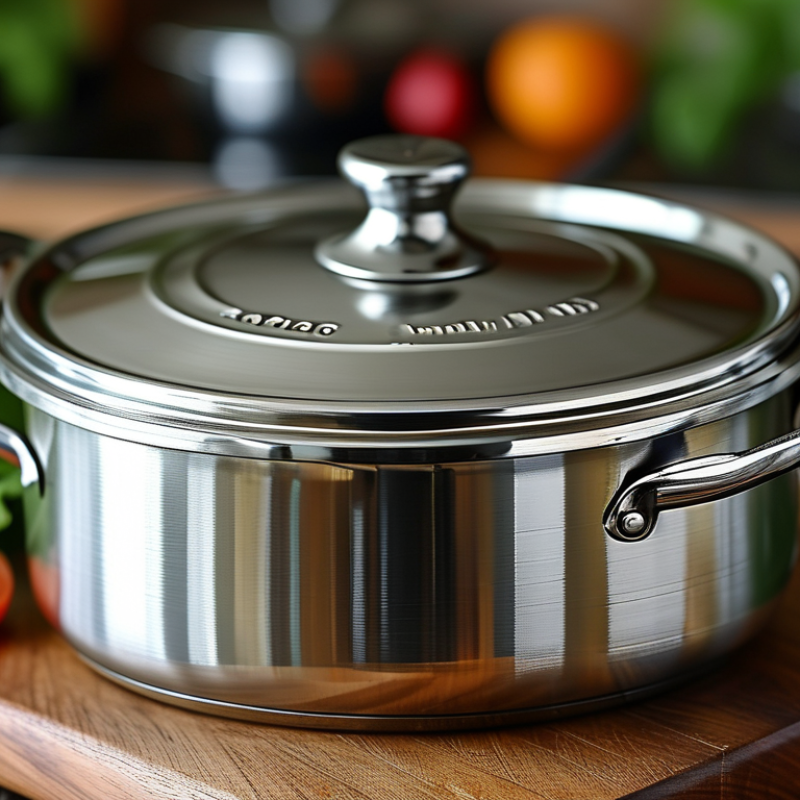
Aluminum casserole pots are deep cooking vessels designed for simmering, braising, baking, and serving. Their aluminum body conducts heat quickly, so food often reaches cooking temperature faster than in heavier cookware. This material also keeps the pot relatively light, which matters when moving stew from the stove to the table. The pot’s shape retains moisture, while a fitted lid helps reduce evaporation during slow cooking.
The way an aluminum casserole pot works depends on its thickness and surface. A thin base may heat rapidly but create hot spots beneath rice, sauces, or vegetables. A thicker base spreads heat more evenly and gives better control over gentle simmering. Some pots use a treated or coated interior, while others have exposed aluminum. Acidic ingredients, such as tomatoes or vinegar, may react with untreated surfaces, so care instructions deserve attention.
In my kitchen, I check the base before the appearance. A flat, stable bottom sits better on the cooktop and reduces uneven heating. I also lift the lid and handles carefully because balance affects everyday safety. My first assumption was that lighter always meant easier; that was incomplete. Very light cookware can feel convenient, but it may cool quickly and respond sharply to temperature changes. I now prefer a manageable weight, a secure lid, and clear cleaning instructions. Small details matter.
How to Choose Aluminum Casserole Pots in 2026? - What Aluminum Casserole Pots Are and How They Work
| Selection Dimension | What It Means | Typical Facts and Ranges | What to Look For |
|---|---|---|---|
| Basic Material | An aluminum casserole pot is a cooking vessel made mainly from aluminum, often with a lid and two side handles. | Aluminum is lightweight and conducts heat efficiently, making it suitable for boiling, simmering, braising, and one-pot meals. | Choose a construction that matches your cooking frequency, heat source, and cleaning preferences. |
| Common Construction | Pots may be made from cast, spun, or stamped aluminum. Some have a nonstick coating or a bonded metal base. | Cast aluminum is generally thicker and more rigid; stamped or spun aluminum is often lighter and thinner. | For frequent use, prefer a stable pot with a flat base, secure handles, and an evenly finished interior. |
| Heat Conductivity | Aluminum transfers heat quickly across the cooking surface. | Pure aluminum has a thermal conductivity of approximately 237 W/m·K at room temperature, although cookware performance varies with alloy and design. | Use medium or low heat when simmering because aluminum responds quickly to temperature changes. |
| Heat Distribution | Good conductivity can reduce hot spots, but thickness and base design also affect cooking consistency. | A thicker body or multi-layer base usually provides better heat stability than very thin aluminum. | Check that the base sits flat and that the sidewalls are not visibly warped. |
| Capacity | Capacity determines how much food can be prepared without overcrowding or spillover. | Approximately 2–3 L suits 1–2 people; 4–5 L suits 3–4 people; 6–8 L suits larger families or batch cooking. | Leave headspace for stirring and bubbling, especially when cooking pasta, grains, soups, or stews. |
| Weight and Handling | Aluminum is lighter than many iron- and steel-based cookware materials of similar size. | A lightweight pot is easier to lift, but an extremely thin body may heat unevenly or deform more easily. | Select broad, firmly attached handles with enough clearance for oven mitts. |
| Cooking-Surface Finish | The interior may be bare aluminum, anodized aluminum, or coated with a nonstick layer. | Anodized surfaces are harder and less reactive than untreated aluminum; nonstick surfaces require gentler utensils and cleaning. | For acidic foods, choose an anodized or coated interior rather than uncoated aluminum. |
| Food Reactivity | Bare aluminum can react with strongly acidic or alkaline foods, potentially affecting flavor or surface appearance. | Examples include long-simmered tomato sauces, vinegar-rich dishes, and some citrus-based recipes. | Use lined, anodized, or coated cookware for frequent preparation of acidic recipes. |
| Cooktop Compatibility | Compatibility depends on the base design, not only the aluminum body. | Gas and electric cooktops generally work with aluminum; induction requires a magnetic base or induction-compatible construction. | Confirm the manufacturer’s cooktop instructions before purchasing, especially for induction use. |
| Oven Use | Some aluminum casserole pots can move from stovetop to oven, while others have heat-sensitive handles, lids, or coatings. | Oven limits vary by construction; glass lids, silicone parts, and nonstick coatings may have lower limits than bare metal. | Check the stated maximum oven temperature and remove non-oven-safe components first. |
| Lid Design | A close-fitting lid retains moisture and heat during braising, stewing, and simmering. | Glass lids improve visibility; metal lids are usually more resistant to impact and high heat, subject to their handles. | Look for a stable fit, a heat-resistant knob, and a steam-venting design when appropriate. |
| Durability | Durability depends on wall thickness, alloy, surface treatment, handle attachment, and storage. | Aluminum can dent or warp more readily than heavier cookware if dropped, overheated, or exposed to sudden temperature changes. | Avoid visibly loose handles, damaged coatings, sharp rim defects, and a rocking base. |
| Cleaning Requirements | Cleaning instructions vary according to whether the surface is bare, anodized, or nonstick. | Hand washing with mild detergent and a soft sponge is generally the safest approach for coated or anodized surfaces. | Avoid abrasive pads, harsh alkaline cleaners, and metal utensils unless the cookware instructions permit them. |
| Best Cooking Uses | The shape and heat response work well for moist, everyday dishes. | Suitable examples include soups, stews, curries, braised vegetables, rice dishes, pasta, and casseroles. | Choose a wide base for evaporation and browning, or taller sides for soups and larger-volume cooking. |
| Practical 2026 Checklist | A good choice balances material, capacity, compatibility, safety, maintenance, and price. | Verify dimensions, usable capacity, empty weight, cooktop compatibility, oven limit, coating care, and warranty terms. | Prioritize a flat stable base, secure handles, a suitable interior finish, and clear care instructions. |
FAQS
They are deep vessels for simmering, braising, baking, and serving. Their fitted lids help retain moisture during slow cooking.
Aluminum conducts heat efficiently, so food can reach cooking temperature faster. This also makes temperature changes feel more sudden.
Yes. A thicker base spreads heat more evenly and reduces hot spots beneath rice, sauces, and vegetables. Thin bases can cook unevenly.
Check the flatness, stability, base thickness, lid fit, and handle joints. Appearance matters less than safe, balanced handling.
Plain aluminum usually is not. Induction use requires a magnetic layer in the base, so verify the specifications carefully.
A firm-fitting lid prevents unnecessary evaporation. Tempered glass lets you watch bubbling sauces, while a steam vent can reduce splattering.
Choose sturdy riveted handles and a broad helper handle for heavy pots. “Cool-touch” does not mean heatproof. Check the oven rating.
Untreated aluminum may react with tomatoes or vinegar. A treated interior can help, but care instructions still deserve attention.
Not always. Dishwasher guidance varies, and frequent washing may dull aluminum or loosen fittings. When instructions are unclear, hand washing is safer.
Not necessarily. Very light pots lift easily but may cool quickly and react sharply to temperature changes. I once assumed lighter meant better. That was incomplete.
Conclusion
Choosing the right Aluminum Casserole Pots in 2026 starts with understanding how they distribute heat and why their lightweight construction makes them practical for everyday cooking. Consider the aluminum grade for strength and heat response, then evaluate the coating based on your preferred cooking methods, food release needs, and cleaning habits. A suitable pot should match your household size, with enough capacity for regular meals without becoming difficult to store or handle. Shape also matters: wider designs are useful for browning and stirring, while deeper pots suit soups, stews, and larger portions.
Pay close attention to comfortable, heat-resistant handles, secure lids, and compatibility with your cooktop and oven requirements. When comparing options, examine coating durability, resistance to warping, ease of maintenance, and clear care instructions. A quality choice should balance safe food contact, reliable performance, long-term durability, and a reasonable price rather than focusing only on the lowest cost. With these factors in mind, you can select Aluminum Casserole Pots that fit your cooking style and provide dependable value over time.