
Engineering Precision Stainless Steel Kitchen Utensils for Global Enterprise Markets
In the modern commercial kitchenware and consumer retail supply chains, purchasing agents and brand owners face an evolving matrix of technical challenges: volatile raw material costs, stringent chemical food-contact safety standards (EU 1935/2004, FDA 21 CFR), anti-dumping tariff shifts, and intensifying consumer demand for non-toxic, highly durable kitchen tools. As an export-exclusive manufacturing powerhouse based in Sialkot, Pakistan, Prowa Kitchenware Industries stands at the nexus of century-old metalworking heritage and advanced modern metallurgy.
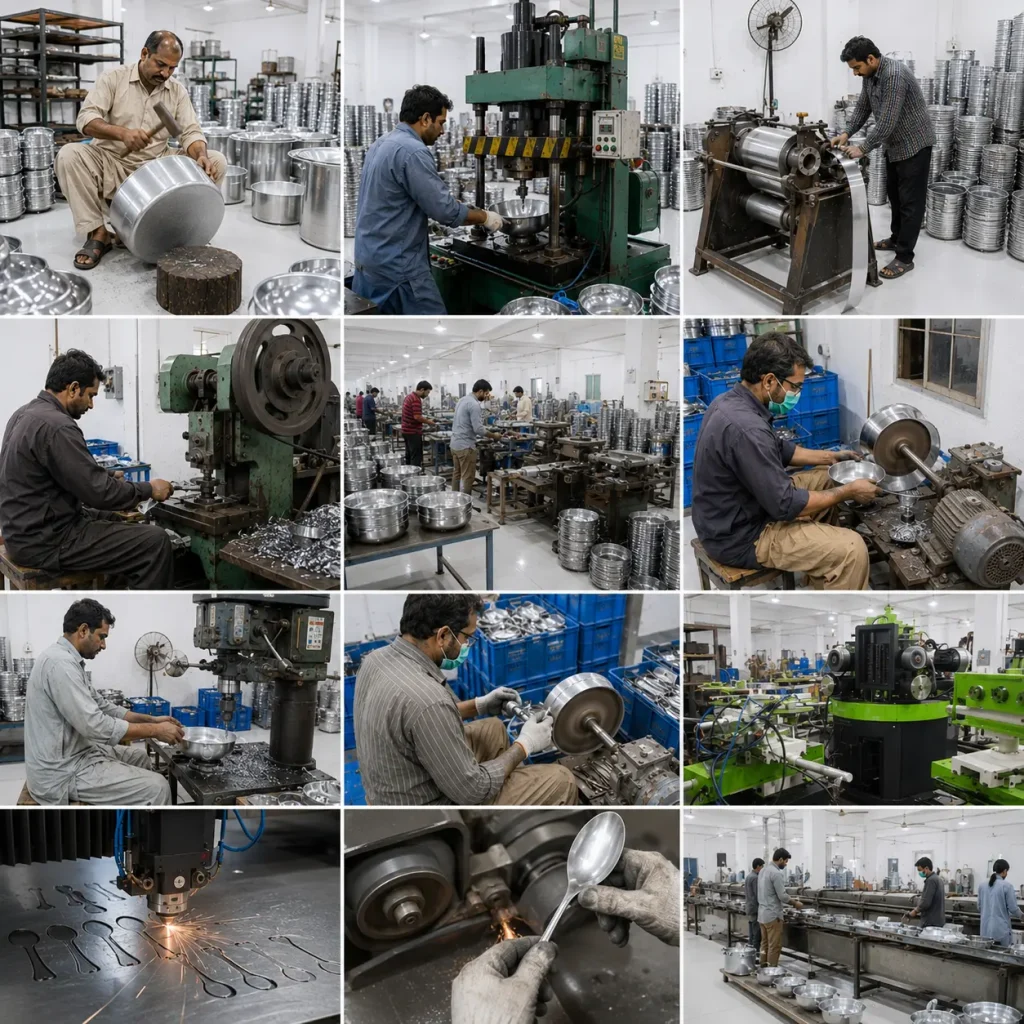
Our integrated manufacturing facility handles every phase of production under one roof — from raw coil cold-rolling, deep drawing, and precision hydraulic forging, to electro-polishing, laser engraving, and final sterile packaging. Unlike standard trading houses, Prowa operates under strict metallurgical controls, manufacturing Stainless Steel Kitchen Utensils engineered specifically for high-frequency commercial catering, hotel supply, and high-end retail private labeling.
- 100% PFOA Free & Heavy Metal Free: Zero Lead, Zinc, or Toxic Coatings across all food-contact surfaces.
- Proprietary 25-Micron Surface Protection: Micro-polished passivation layer engineered to resist high-salinity pitting and dishwasher corrosion.
- Dual Safety System Mechanics: 12 PSI calibrated pressure vents integrated into pressure cookers & commercial vessel lines.
- Resource Conservation Infrastructure: Advanced stamping technologies saving over 180 Metric Tons of virgin steel annually.
Recommended Stainless Steel Kitchen Utensils & Commercial Equipment
Each product category is engineered using tested alloy grades (AISI 304, 316, 430) with customized handle ergonomics, heat distribution caps, and extreme thermal resilience.
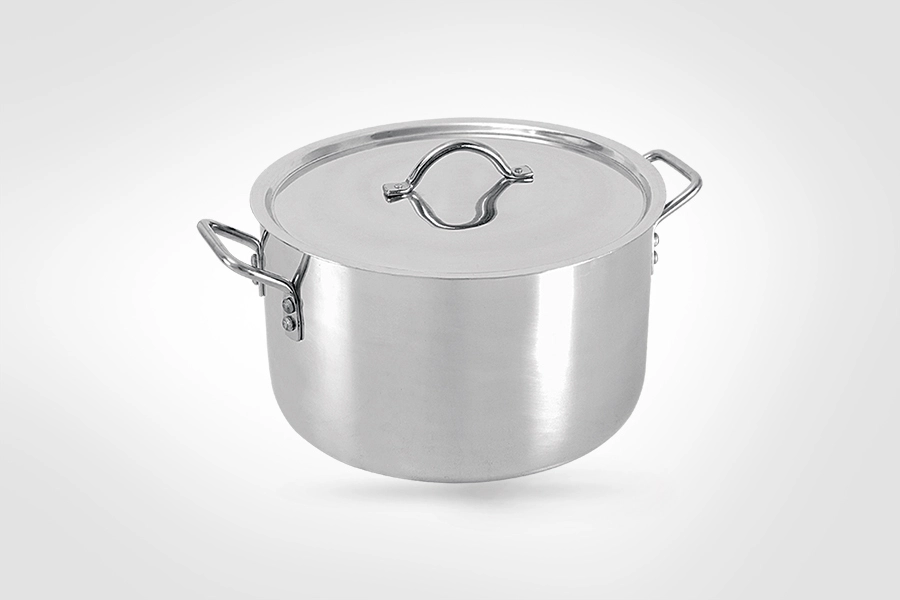
Tri-Ply & Encapsulated Stainless Steel Casserole Pots
Constructed with an inner wall of food-grade AISI 304 stainless steel, an aluminum heat-diffusing core, and an outer magnetic AISI 430 skin for 100% induction compatibility.
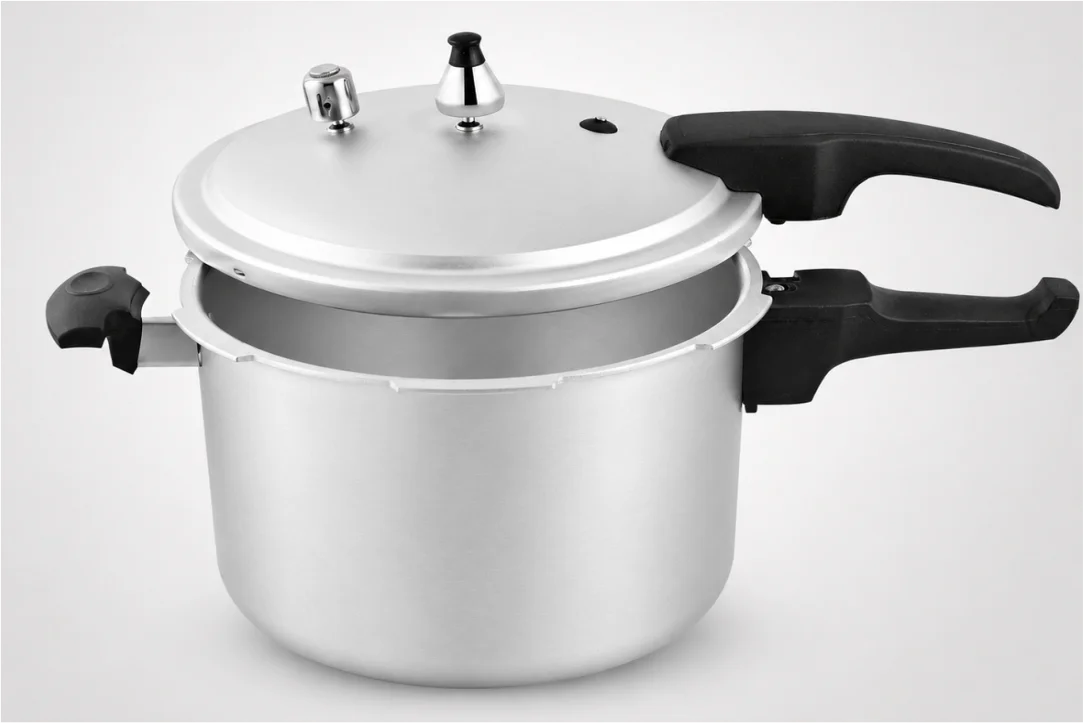
Dual-Valve Safety Commercial Pressure Cookers
Features a 12 PSI dual safety pressure release system, heavy-duty silicone gasket seals, and impact-bonded base plates designed for high-stress hotel kitchens.
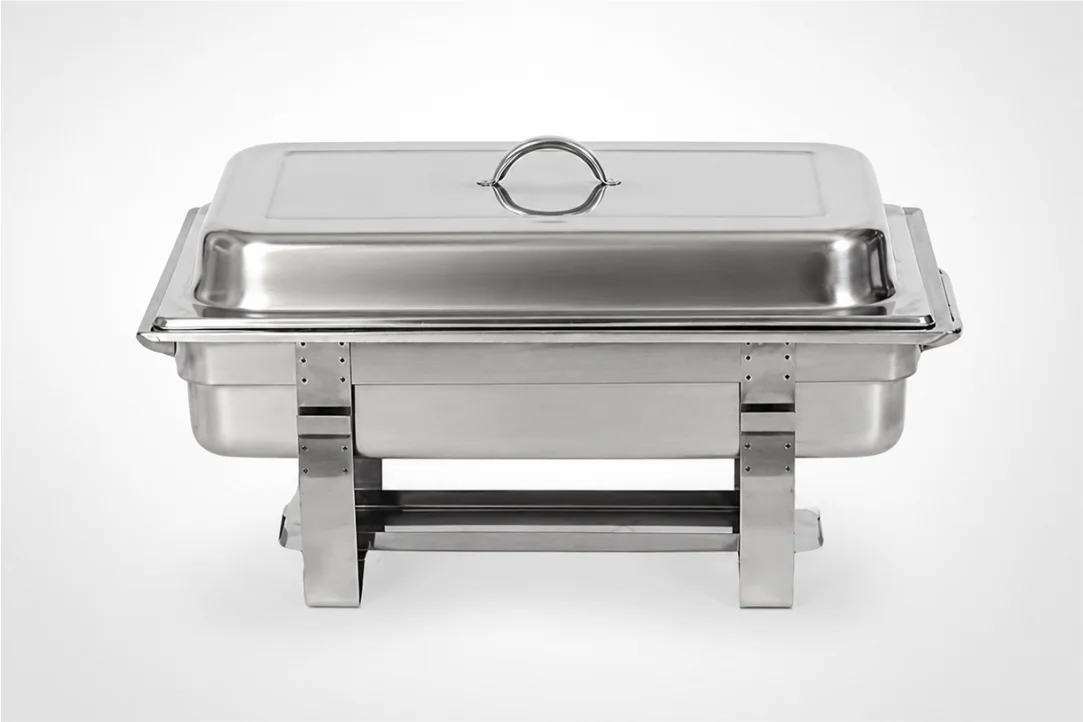
Hydraulic Roll-Top Stainless Steel Chafing Dishes
Heavy-gauge SS304 buffetware with soft-close hydraulic lid mechanisms, corrosion-resistant water pans, and high-shine mirror polish exceeding ISO 8442 standards.
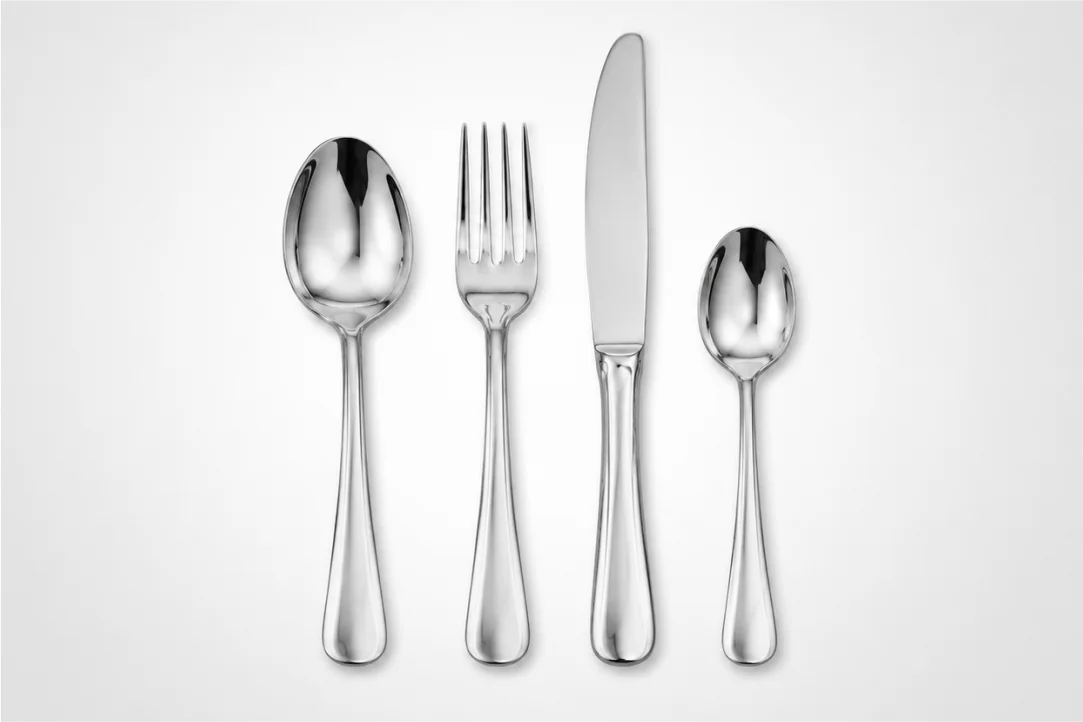
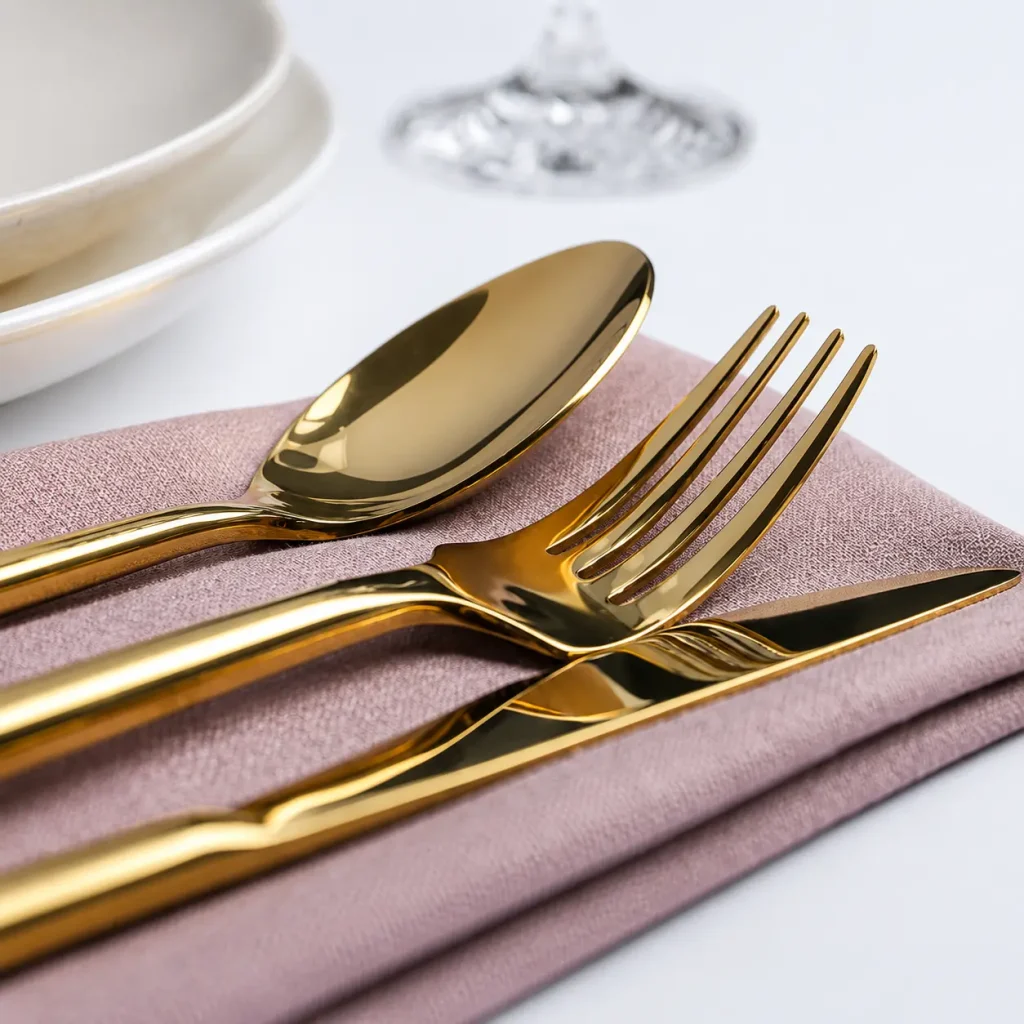
Precision Forged Stainless Steel Cutlery & Flatware Sets
Available in 18/10 (AISI 304) and 18/0 (AISI 430) options. Ergonomically balanced, dish-washer safe, with ultra-sharp micro-serrated table knife edges.
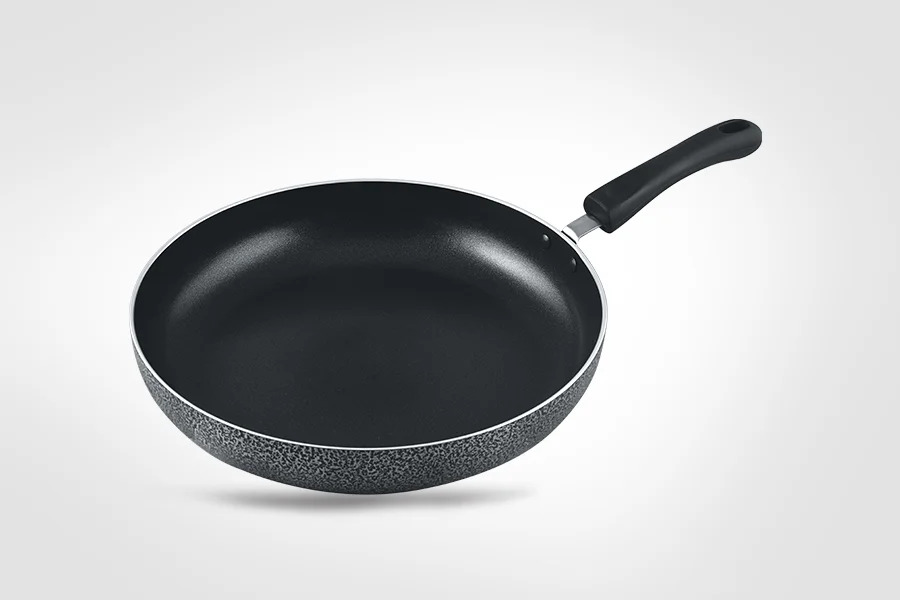
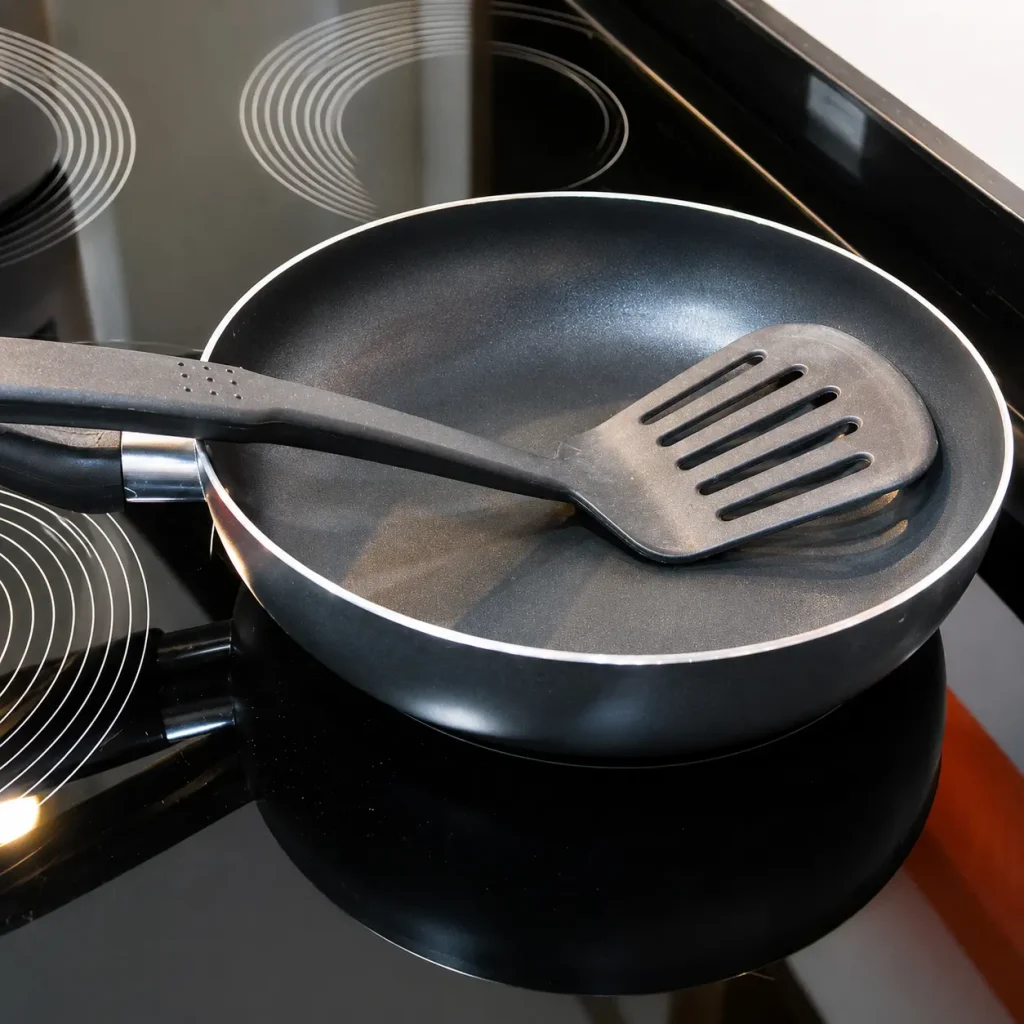
Professional Non-Stick Fry Pans & Skillets
High-grade base construction paired with multi-layer PFOA-free non-stick coatings, stainless steel riveted handles, and flame-guards for restaurant line work.
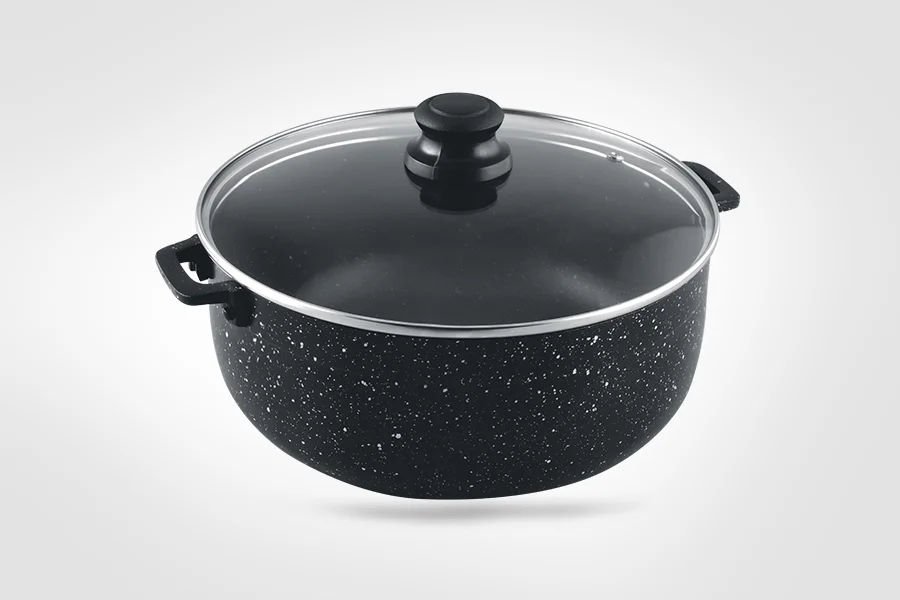
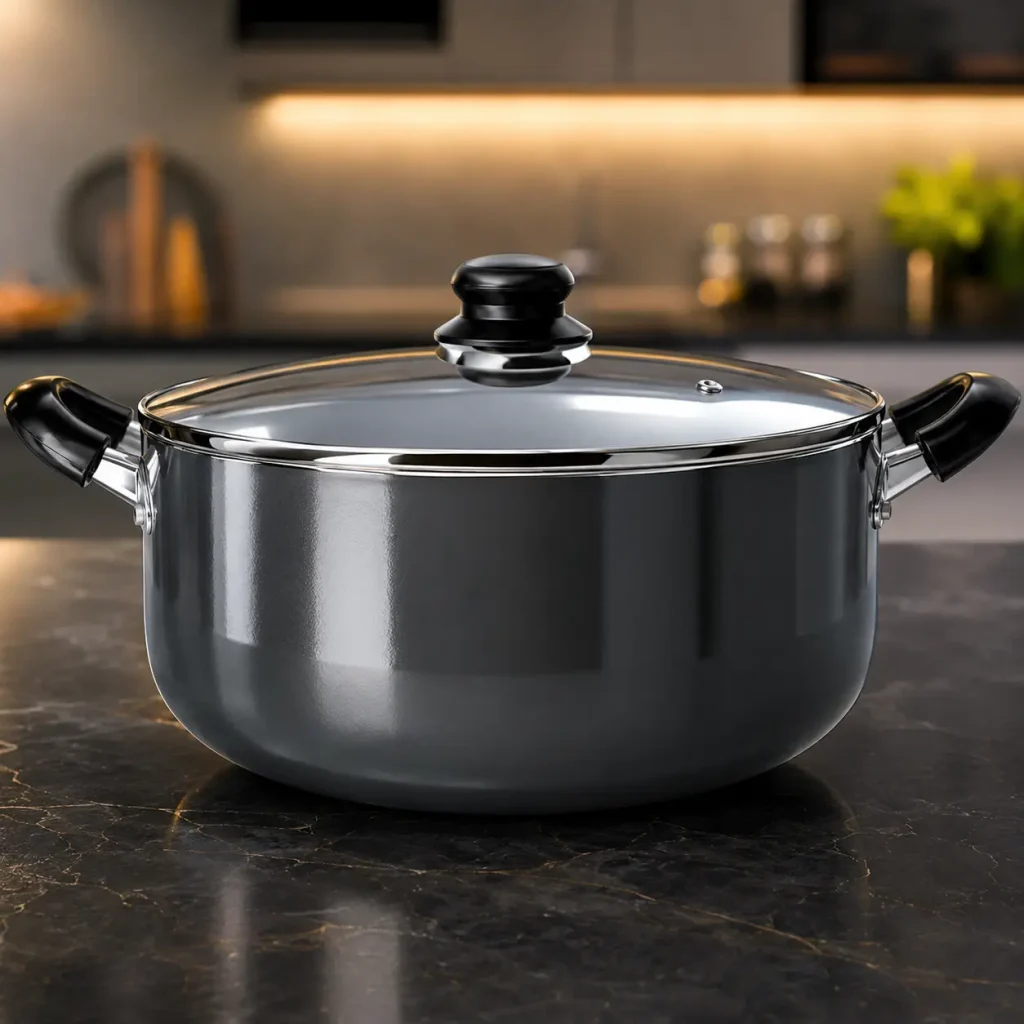
Heavy-Duty Caldero & Dutch Oven Cooking Pots
Traditional deep cooking pots reinforced with extra-thick sidewalls and tight-sealing lids for even heat retention and slow-cooking perfection.
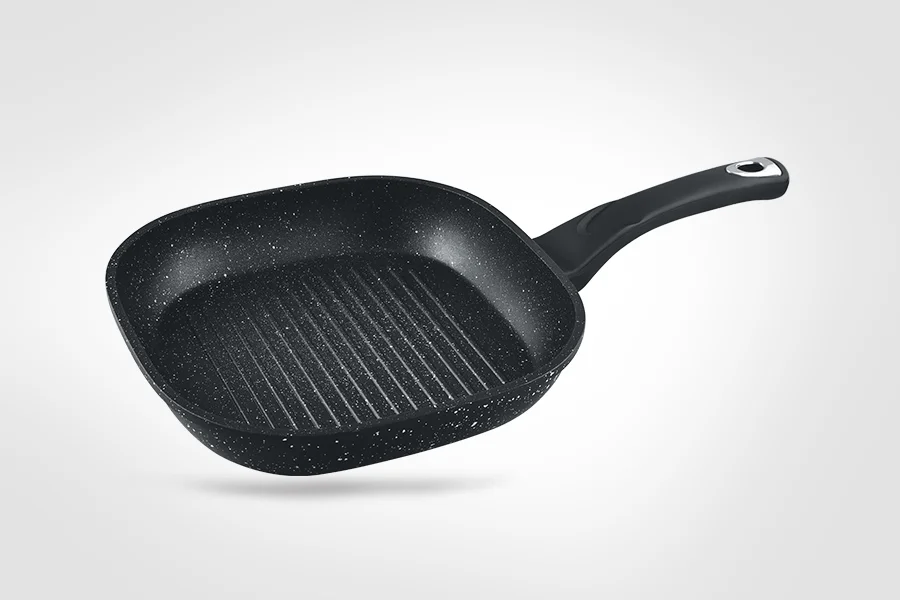
Diecast Non-Stick Ribbed Grill Pans
Engineered thermal rib structures for authentic searing, integrated oil-drip spouts, and heat-insulated tubular stainless handles.
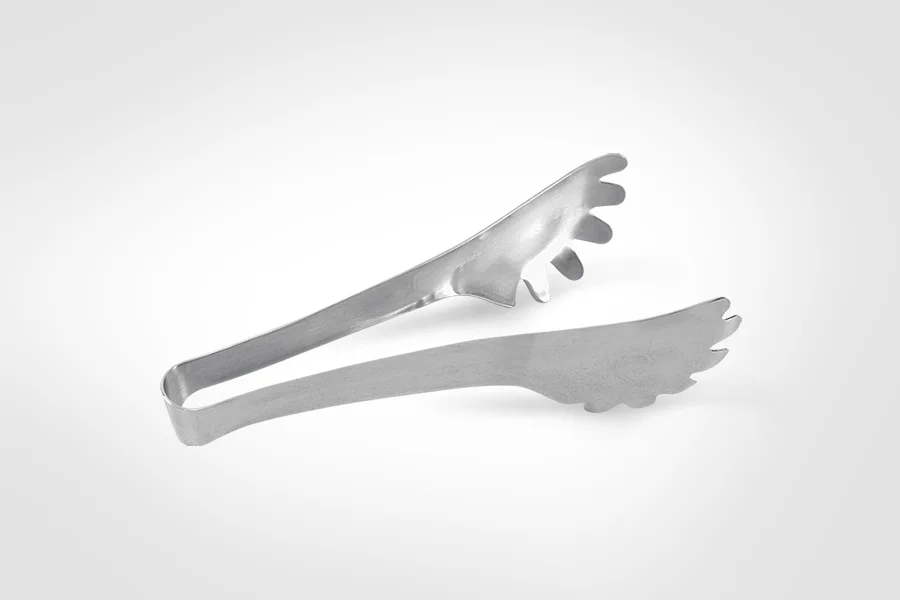
One-Piece Stainless Steel Serving Tongs & Utensils
Seamless springless food tongs, ladles, skimmers, and spatulas built without hygiene-compromising crevices, crafted from resilient AISI 304 steel.
Future Sourcing & Manufacturing Trends in Stainless Steel Kitchen Utensils
As global supply chain directors, institutional buyers, and retail brand strategists evaluate vendor partners for 2025–2030, the global market for Stainless Steel Kitchen Utensils is undergoing seismic structural shifts driven by regulatory tightening, material intelligence, and digital supply chain integrity.
1. De-Risking Sourcing via South Asian Manufacturing Hubs
Over-reliance on traditional East Asian manufacturing centers has exposed importers to rising labor overheads, anti-dumping tariffs, and supply disruptions. Global buyers are rapidly diversifying procurement into South Asia. Sialkot, Pakistan, recognized worldwide for its centuries-old metallurgical craftsmanship in surgical instruments and cutlery, offers a compelling cost-to-performance ratio. Importers benefit from competitive tariff structures, skilled metalworking labor, and zero anti-dumping penalties in key Western jurisdictions.
2. Transition from Surface Coatings to Pure Metallurgy
Consumer awareness regarding forever chemicals (PFAS, PFOA, GenX) is driving demand back toward pure, uncoated, non-reactive metal surfaces. Procurement channels are shifting heavily toward multi-ply stainless steel kitchen utensils and cookware (Tri-Ply and 5-Ply) that provide natural non-stick performance when thermal control principles are applied, eliminating chemical degradation risks completely.
3. Strict ESG & Closed-Loop Scrap Traceability
International environmental regulations now require retail brands to publish carbon footprints and material provenance. Modern factories must prove their sustainability credentials. Prowa’s automated stamping line recycles over 180 metric tons of steel scrap annually, feeding raw material back into certified mill recycling loops, drastically lowering the scope 3 carbon emissions for our global clients.
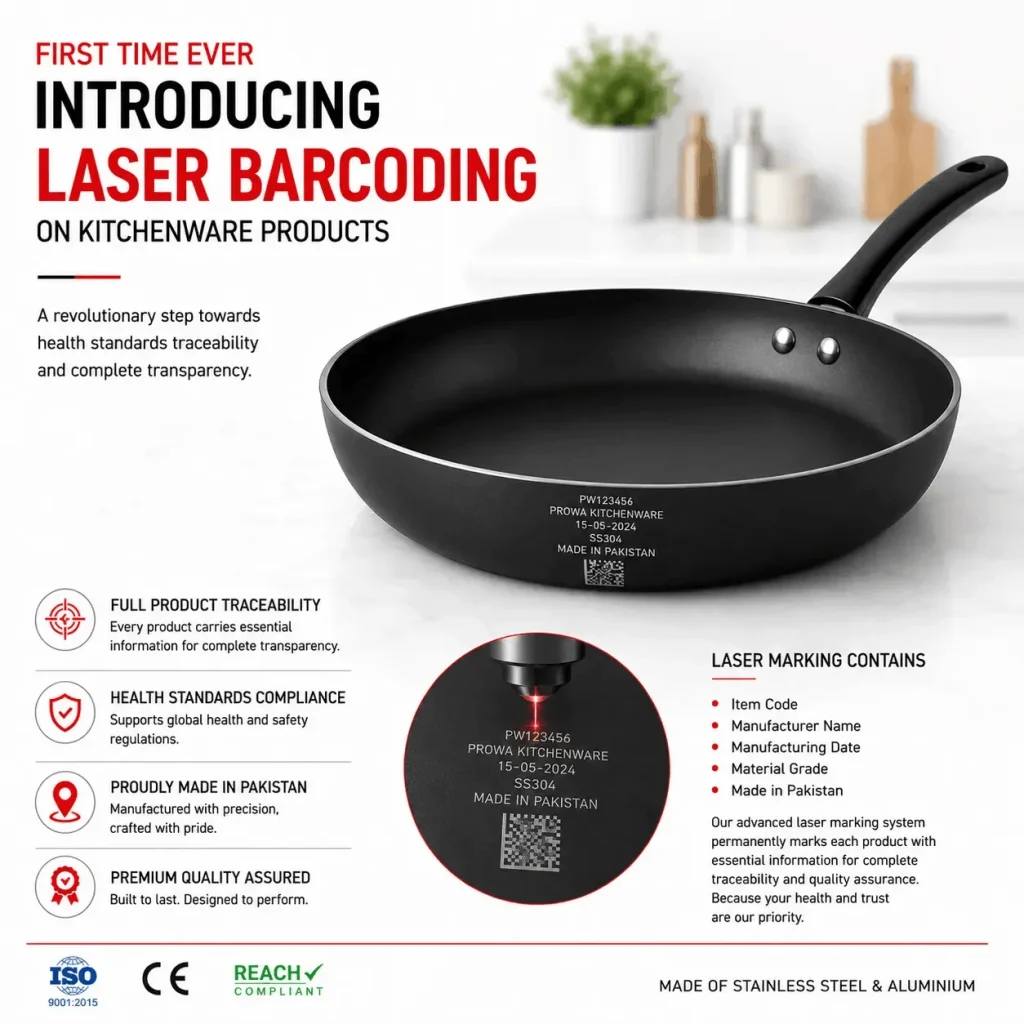
Unit-Level Product Traceability: Laser-Engraved Data Matrix Codes
In response to growing brand protection demands and supply chain transparency requirements, Prowa Kitchenware Industries has introduced direct fiber laser-engraved Data Matrix Barcoding on high-grade stainless steel kitchen utensils, cookware, and commercial buffetware.
Unlike traditional paper stickers or chemical ink prints that peel off under commercial high-temperature dishwashing, laser engraving embeds a microscopic, tamper-resistant 2D Data Matrix code directly into the steel matrix. This code links to vital manufacturing records:
For commercial hotel chains, hospital catering units, and luxury retail brands, this technology prevents batch mixing, stops counterfeit product substitution, and streamlines automated warehouse inventory management.
Stainless Steel Alloy Selection Matrix for Global Procurement Managers
Selecting the correct stainless steel alloy grade is critical to balance unit cost, corrosion resistance, tensile strength, and induction conductivity. The table below outlines the primary metallurgical grades utilized in Prowa's manufacturing lines in accordance with ISO 15510 and ISO 4957 standards.
| Alloy Grade | Composition (Cr / Ni / Mo) | Magnetic Properties | Corrosion Resistance | Best Sourcing Application |
|---|---|---|---|---|
| AISI 304 (18/8 - 18/10) | 18-20% Cr, 8-10.5% Ni | Non-Magnetic (Austenitic) | Excellent (High Acid/Alkali) | High-End Cookware Bodies, Ladles, Tongs, Premium Cutlery, Chafing Dishes |
| AISI 316 (18/10/2) | 16-18% Cr, 10-14% Ni, 2-3% Mo | Non-Magnetic (Austenitic) | Superior (Saline & Marine Resistance) | Industrial Food Processing Utensils, Heavy Commercial Saline Kitchen Lines |
| AISI 430 (18/0) | 16-18% Cr, 0% Ni | Magnetic (Ferritic) | Moderate (Standard Dishwashing) | Induction Bottom Caps, Value Flatware, Utensil Handles, Tray Liners |
| AISI 420 / 440 | 12-14% Cr, High Carbon | Magnetic (Martensitic) | Moderate to High (HRC 52-58) | Forged Kitchen Knife Blades, Micro-Serrated Table Knives, Shears |
Quality Assurance Guarantee by Prowa Kitchenware
Every shipment of raw stainless steel coil or bar stock undergoes X-Ray Fluorescence (XRF) spectroscopy chemical analysis upon arrival at our Sialkot factory. We issue mill test certificates (MTC) matching EN 10204 3.1 standards with every OEM export batch, ensuring your brand receives exactly the alloy specified without grade substitution.
Frequently Asked Questions: Global Sourcing of Stainless Steel Kitchen Utensils
Below are detailed answers to the most common technical and commercial queries submitted by international procurement teams, importers, and retail buyers.
1. What regulatory standards must Stainless Steel Kitchen Utensils meet for export to the US and EU?
For US market entry, utensils must comply with FDA 21 CFR 175.300 for food-contact safety and California Proposition 65 heavy metal limits (Lead & Cadmium free). For the European Union, compliance with Regulation (EC) No 1935/2004, German LFGB (§ 30 & 31), French DGCCRF directives, and REACH SVHC chemical safety is mandatory. Cutlery specifically requires adherence to ISO 8442-1 / ISO 8442-2 for corrosion resistance and strength. Prowa’s manufacturing protocols adhere fully to these international frameworks, certified via ISO 9001 quality systems.
2. Why is Sialkot, Pakistan recognized as an advantageous hub for stainless steel manufacturing?
Sialkot possesses a world-renowned industrial ecosystem specialized in high-precision stainless steel fabrication, originally established through its global leadership in surgical instruments and cutlery. This gives local manufacturers like Prowa deep expertise in fine stamping, hand-forging, metallurgical heat treatment, and precision electro-polishing. Furthermore, sourcing from Pakistan provides favorable trade logistics, zero anti-dumping tariffs in major markets, and highly competitive unit costs without compromising raw material purity.
3. How does Prowa prevent corrosion and tea-staining on stainless steel utensils?
Corrosion occurs when free iron particles remain on the surface or when the chromium oxide passive layer is broken down by aggressive chlorides. Prowa implements a multi-stage chemical passivation process using nitric-citric baths to strip free iron, followed by high-precision electro-polishing. This creates a uniform, 25-Micron invisible protective surface layer that elevates pitting resistance in high-temperature commercial dishwashers and high-salinity cooking environments.
4. What custom OEM & Private Label capabilities does Prowa provide?
Prowa offers end-to-end OEM/ODM custom development: custom CAD design, 3D rapid prototyping, tool & die creation, customized handle ergonomics (hollow handle, solid forged, silicone-overmolded), direct laser logo engraving, Data Matrix serialisation, and customized retail packaging (color boxes, eco-friendly FSC sleeves, magnetic presentation boxes). Minimum order quantities (MOQs) are structured flexibly to support both established brands and expanding distributors.
5. What is the difference between 18/10, 18/8, and 18/0 stainless steel utensils?
The numbers represent percentages of Chromium and Nickel. 18/10 contains 18% Chromium and 10% Nickel, offering maximum corrosion resistance, a bright silvery luster, and total non-reactivity to acidic foods. 18/8 offers very similar durability with 8% Nickel. 18/0 contains 0% Nickel, making it magnetic (ideal for induction cooked utensil rest bases and budget-conscious flatware), though slightly more susceptible to long-term moisture staining if left un-passivated.
6. How can global buyers verify batch consistency and quality control prior to shipment?
Prowa maintains an in-house quality control laboratory equipped with digital micro-hardness testers, salt spray corrosion test chambers (72-hour neutral salt spray standard), drop-weight impact testers, and XRF alloy analyzers. We invite third-party inspection agencies (SGS, TÜV, Intertek, Bureau Veritas) for pre-shipment inspections (PSI) and provide complete Data Matrix trace logs for full batch accountability.
Ready to Elevate Your Stainless Steel Kitchen Utensils Line?
Partner with Prowa Kitchenware Industries for OEM manufacturing, private label supply, and certified global distribution. Contact our engineering team today for technical specifications, product samples, and instant price quotations.