


Industry Insights & Manufacturing Blog
Explore expert technical guides, material standards, and global supply chain updates from Prowa Kitchenware Industries.
Industrial Grade Cookware Solutions for Moroccan Importers
Precision-manufactured non-stick die-cast aluminum casseroles and multi-ply stainless steel cookware engineered for heavy-duty commercial and residential kitchens.

Manufacturer Wholesale Induction Non Stick Skillet Triply Stainless Steel Honeycomb Cookware Fry Pan Nonstick Frying Pans
Get Catalog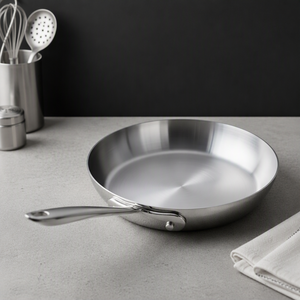
Wholesale 201 Stainless Steel Pan Stainless Pans Steel Frying Pan 3.0mm Thickness for Restaurant Use
Get Catalog
Professional 3 Layers Cooking Pot Skillet Frying Pan 304 Tri Ply Stainless Steel Cookware Nonstick Honeycomb Fry Pan
Get Catalog
TIANXING Multi Ply Stainless Steel Cookware Set Professional Tri Ply Clad Pots and Pans Induction Safe Wholesale Kitchenware OEM
Get Catalog
Customize Tri-Ply Frying Pan 22CM 18/8 304 Stainless Steel Pan With Lid Induction Cooking Pan Kitchen Frying Pan
Get Catalog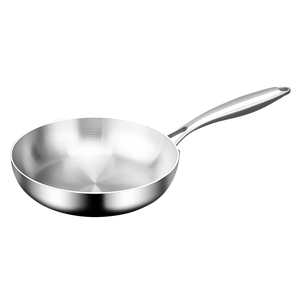
Eco-friendly Five-Ply Clad 304 Stainless Steel 8 Inch Frying Pan Silver Wholesale Food Contact Nonstick Glass Cover Kitchen
Get Catalog
Modern Nonstick Stainless Steel Fry Pan Round Honeycomb Design For Kitchen Cooking Pans And Cookware
Get Catalog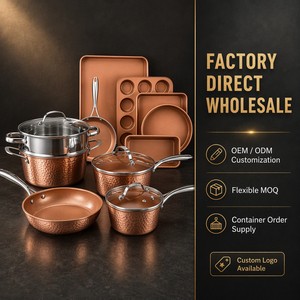
Hammered Copper Nonstick Cookware Set Glass Lids Stainless Steel Handle Bakeware Frying Pan Stockpot Induction OEM ODM Wholesale
Get CatalogThe Evolution of Culinary Hardware in Morocco
Analyzing the shift from traditional terracotta clay tagines to high-performance die-cast aluminum casserole pots across North African commercial and domestic sectors.
Macro Economic & Consumer Trends (2025–2030)
Morocco’s retail and hospitality landscape is undergoing a massive transformation. Rapid urbanization in metropolitan centers such as Casablanca, Rabat, Marrakech, and Tangier has accelerated demand for modern kitchenware. Traditional earthenware clay cookware, while culturally symbolic, presents operational challenges on modern high-output gas rings and induction cooktops—specifically cracking, uneven heat distribution, and long preheating latency.
Professional buyers in commercial wholesale hubs such as Derb Omar (Casablanca) and retail chains are increasingly prioritizing Die Cast Aluminum Casseroles. Die-cast aluminum offers thermal conductivity exceeding 160 W/m·K—nearly 140 times higher than traditional ceramic clay—allowing faster cook cycles, precise heat control, and exceptional energy efficiency.
Technical Superiority: Die-Cast vs. Stamped Aluminum
Unlike cheap stamped aluminum pots (which are pressed from thin 1.5mm–2.0mm sheets and prone to warping), die-cast aluminum casseroles are manufactured by injecting molten high-purity aluminum alloy (ADC12 / A380) into precision steel molds under 800+ tons of hydraulic pressure.
- Variable Wall Thickness: Engineered with a heavy 6.0mm rim, 4.5mm body wall, and 5.5mm induction-bonded thermal base.
- Zero Warp Guarantee: Eliminates bottom warping under sudden thermal shock (e.g., deglazing with cold broth).
- Integrated Cast Handles: One-piece monolithic construction prevents loose handles and hygienic trap zones.
Engineered for Authentic Moroccan Gastronomy
How technical design features address specific traditional Moroccan cooking demands in domestic and commercial kitchens.
Slow-Simmered Marqa & Tagine Alternatives
Traditional Moroccan stewing (Marqa with lamb, beef, or poultry) requires sustained low-temperature simmering to tenderize meat and reduce complex spice bases (Saffron, Ginger, Cumin). Our die-cast casseroles feature self-basting heavy cast glass or aluminum lids with internal condensation spikes, continuously dripping moisture back onto the dish to replicate traditional cone-shaped clay tagine condensation dynamics.
Couscous Steaming & High-Capacity Broths
Moroccan Friday family meals and commercial banquets demand large broth capacities (28cm, 30cm, 32cm casseroles). The thick thermal base prevents tomato pastes and legumes (chickpeas, lentils) from scorching at the bottom during 2-hour simmer cycles, maintaining broth clarity and eliminating bitter burnt residues.
Ramadan Harira Batch Cooking Efficiency
During Ramadan, households and commercial caterers prepare massive quantities of Harira and Chorba soups daily. The multi-layer granite non-stick coating exhibits outstanding resistance to acidic ingredients (citrus juice, concentrated tomato puree) while enabling rapid, effortless cleaning between meal prep shifts.
Standard B2B Specification Matrix for Moroccan Import Lines
| Casserole Size (CM) | Capacity (Liters) | Rim Thickness | Body Thickness | Base Coating Layers | Induction Bottom Type | Recommended Application |
|---|---|---|---|---|---|---|
| 20 CM | 2.4 L | 5.5 mm | 4.2 mm | 5-Layer Granite / PTFE | Full-Bound Stainless Disk | Small Household / Sauces |
| 24 CM | 4.3 L | 6.0 mm | 4.5 mm | 5-Layer Granite / PTFE | Full-Bound Stainless Disk | Standard Family Stewing (Marqa) |
| 28 CM | 6.8 L | 6.0 mm | 4.8 mm | 5-Layer Reinforced Ceramic | Hole-Pattern Spray Base | Couscous Broths & Poultry |
| 32 CM | 10.2 L | 6.5 mm | 5.0 mm | Heavy Commercial Grade | Full-Bound Stainless Disk | Hotel Buffets & Catering Batch |
Why Global Buyers Partner with Prowa Kitchenware
Fully integrated metalworking facilities, automated robotic coating systems, and strict European quality assurance standards.
Advanced Metallurgical Engineering & Quality QA
At Prowa Kitchenware Industries, precision manufacturing forms the core of our operations. Operating out of our extensive manufacturing hub in Sialkot, we maintain end-to-end control over metal raw material sourcing, die-casting, mechanical finishing, automated non-stick spraying, and final packaging.
Every batch of die-cast aluminum casseroles bound for the Moroccan market undergoes rigorous testing for food contact safety under CE, ISO 9001, LFGB, and REACH protocols. Our proprietary 25-Micron Invisible Protective Surface Layer provides superior resistance against salt-fog corrosion, high humidity in coastal port cities like Casablanca, and mechanical wear.
- Automated Robot Spraying: Multi-axis robotic arms ensure uniform coating thickness across internal radii.
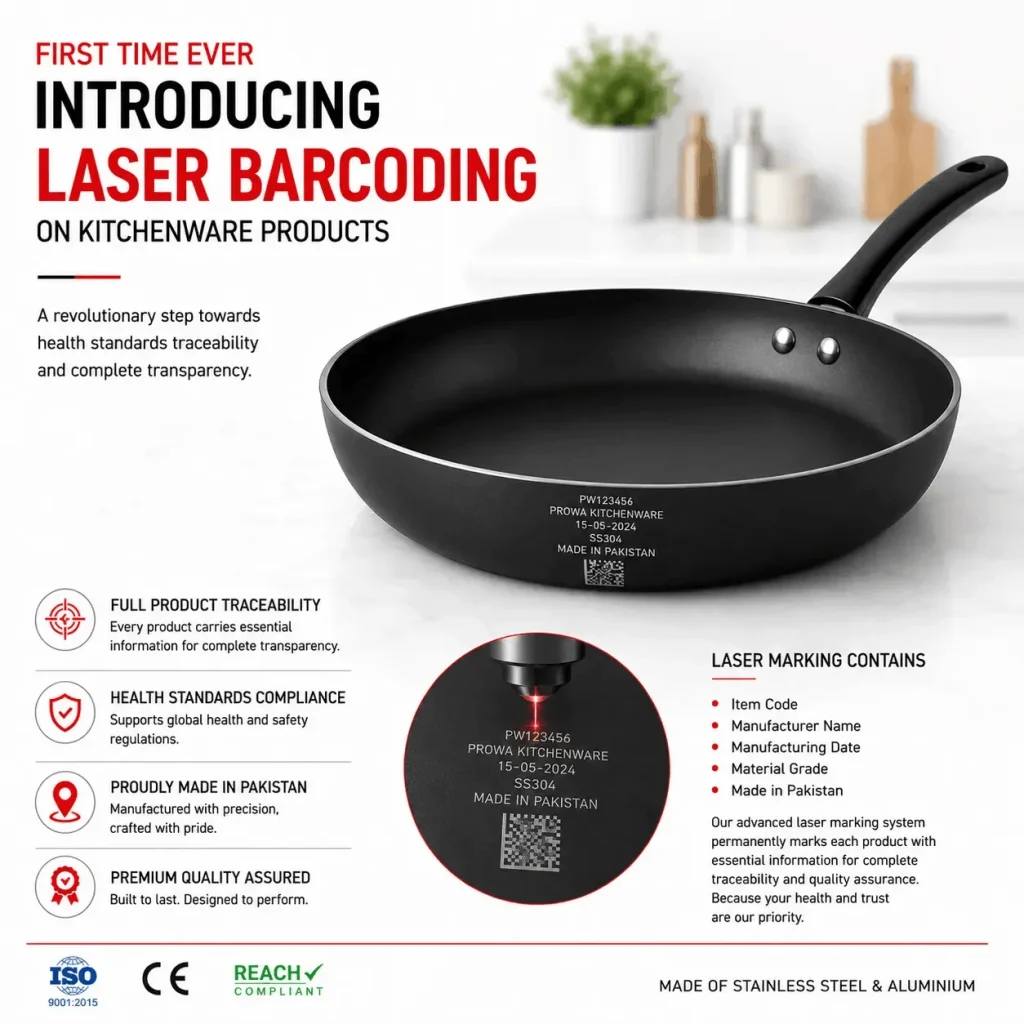
- Laser Data Matrix Barcoding: Industry-first 2D matrix laser-engraved onto pot bases for complete batch traceability.
- Closed-Loop Sustainability: Over 180 metric tons of aluminum recycled annually in zero-emissions melting furnaces.
- Custom OEM/ODM Capabilities: Tailored silicone rim glass lids, custom soft-touch Bakelite knobs, and branded color boxes.
Morocco Commercial Procurement & Logistics FAQ
Addressing key operational, financial, and customs questions for Moroccan importers and wholesale distributors.
Q1: What are the lead times and shipping routes to Port de Casablanca or Tanger Med?
Our standard export production lead time is 30 to 45 days after deposit confirmation and sample approval. We offer direct sea freight shipping to both Port de Casablanca and Tanger Med Port. Transit times typically range between 22 to 28 days depending on shipping line selection (e.g., CMA CGM, Maersk, MSC). Full Container Loads (20GP / 40HQ) are palletized and moisture-sealed for maritime transit protection.
Q2: How do your die-cast casseroles comply with Moroccan food safety standards (ONSSA / NM Norms)?
All Prowa cookware products comply strictly with European LFGB food contact standards and international ISO 9001 quality management benchmarks. Our non-stick coatings are certified 100% free from PFOA, lead, cadmium, and zinc, satisfying Moroccan import quality inspection rules under National Food Safety Office (ONSSA) guidelines. Chemical migration test reports are supplied with customs documentation.
Q3: Can we customize cookware colors and lid designs for North African market preferences?
Yes. We specialize in OEM/ODM customization for private label brand owners. Popular colorways in the Moroccan market include Matte Black, Deep Burgundy Red, Emerald Green, and Warm Terracotta Granite finishes. Buyers can select between tempered glass lids with silicone rims, heavy die-cast aluminum lids, or aroma-knob oil drip lids.
Q4: What is the Minimum Order Quantity (MOQ) for custom private label orders?
Our standard Minimum Order Quantity (MOQ) for custom die-cast aluminum casseroles is 1,000 units per size/color, or 1 x 20GP container mixed across 3 to 4 complementary product sizes. For trial orders of stock specifications, flexible lower MOQs can be arranged to support market testing in local wholesale centers.
Q5: Why is Die-Cast Aluminum preferred over Stamped Aluminum for Moroccan cooking habits?
Moroccan traditional cooking involves high acidity (tomatoes, lemon juices) and prolonged slow simmering. Stamped aluminum pots are thin and easily warp under prolonged heating, leading to uneven hot spots that burn stews. Die-cast aluminum features heavy walls (4.5mm+) and dense alloy structure that retains heat uniformly, resists structural deformation, and doubles overall operational lifespan.
Q6: What payment terms and forex options are available for Moroccan importers?
We support standard B2B trade terms including T/T (30% deposit, 70% against Bill of Lading copy) and Irrevocable Commercial Letters of Credit (L/C at sight). Transactions can be invoiced in USD ($) or EUR (€) to facilitate smooth foreign exchange processing with Moroccan banking institutions.
Partner with a Leading Cookware Manufacturer Today
Expand your retail range or wholesale inventory in Morocco with engineered die-cast aluminum casserole pots. Request our comprehensive B2B export catalog, technical specifications, and factory direct price list.
Get Catalog