


Industry Insights & Manufacturing Blog
Explore expert technical guides, material standards, and global supply chain updates from Prowa Kitchenware Industries.
Commercial Heavy-Duty Product Portfolio
Direct OEM/ODM Factory Innovations: Tri-Ply Clad, Honeycomb Non-Stick, and 3.0mm Heavy-Gauge Cookware Built for Intensive Commercial Use

Manufacturer Wholesale Induction Non Stick Skillet Triply Stainless Steel Honeycomb Fry Pan
- Structure: 3-Layer Composite (304 + Al + 430)
- Surface: Micro-Engraved Honeycomb Matrix
- Induction Compatible: High-Efficiency Bottom
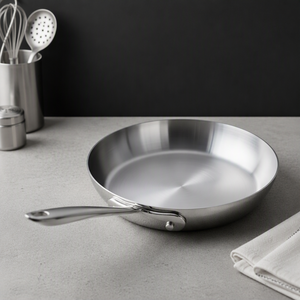
Wholesale 201 Stainless Steel Pan 3.0mm Thickness Heavy-Duty Restaurant Fry Pan
- Thickness: 3.0mm Solid Steel Body
- Handle: Heavy Steel Riveted Cold Handle
- Application: Commercial Kitchen & Restaurant

Professional 3 Layers Cooking Pot Skillet 304 Tri-Ply Stainless Steel Honeycomb Pan
- Material: Food Contact Grade 304 Steel
- Heat Conduction: Seamless Core Layer
- Durability: Scratch & Utensil Resistant

TIANXING Multi-Ply Stainless Steel Cookware Set Professional Tri-Ply Clad Pots & Pans
- Kit: Saucepan, Stockpot & Skillets
- Certification: CE, ISO 9001 Certified
- OEM: Customized Private Label Branding

Customize Tri-Ply Frying Pan 22CM 18/8 304 Stainless Steel Pan with Tempered Lid
- Size: 22CM Diameter (Customizable)
- Lid: Steam-Vent Glass Lid System
- Energy Efficiency: 40% Thermal Speed
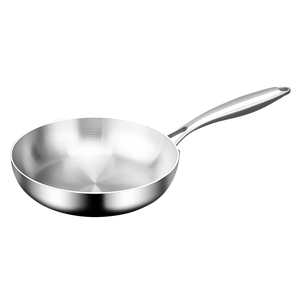
Eco-Friendly Five-Ply Clad 304 Stainless Steel 8 Inch Frying Pan with Glass Cover
- Cladding: 5-Layer Extreme Retention
- Safety: PFOA & Heavy Metal Free
- Standard: EU Food Contact Approved

Modern Nonstick Stainless Steel Fry Pan Round Honeycomb Design for Kitchens
- Pattern: Raised Stainless Steel Mesh
- Coating: Non-Stick Hydrophobic Layer
- Warp Resistance: Impact-Bonded Base
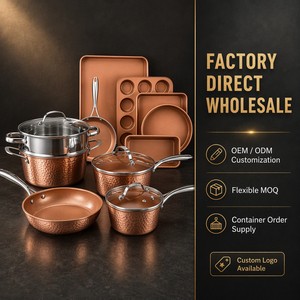
Hammered Copper Nonstick Cookware Set Glass Lids & Stainless Steel Handles
- Exterior: Hand-Hammered Finish
- Core: High Conductive Alloy Layer
- Scope: Luxury HORECA & Retail Brands
Commercial Heavy-Duty Cookware Procurement: The Definitive B2B Buyer’s Guide
In high-intensity culinary environments—ranging from commercial hotel kitchens, industrial catering operations, and restaurant chains to cruise ships and institutional dining facilities—cookware is subjected to continuous thermal cycles, abrasive physical stress, and chemical exposure from cleaning agents. Sourcing top-tier cookware from experienced China heavy-duty commercial cookware suppliers is a strategic business decision that directly impacts operational expenditure, kitchen safety, and culinary outcomes.
"Procurement decisions in the commercial kitchenware sector have shifted from simple initial cost per unit to Total Cost of Ownership (TCO), material purity compliance, and lifecycle energy performance across high-frequency induction surfaces."
1. Metallurgical Architecture: Material Performance Analysis
Selecting the right alloy composition and construction architecture determines the thermal efficiency, warp resistance, and longevity of commercial cookware. The primary metallurgical structures utilized by premier Chinese exporters include:
| Construction Type | Layer Composition | Thermal Uniformity | Corrosion Resistance | Target Commercial Use Case |
|---|---|---|---|---|
| Tri-Ply Clad (3-Layer) | 304 Interior / Pure Al Core / 430 Exterior | Excellent (94%) | High (Cr-Ni 18/10) | Heavy sautéing, saucepans, high-heat restaurant lines |
| 5-Ply Heavy Clad | 304 St. Steel / 3-Alloy Core / 430 Induction Base | Superior (98%) | Ultra-High | Industrial braising, high-capacity stockpots, steam lines |
| Single-Ply Heavy 201/304 | 3.0mm Solid Stainless Steel Body | Moderate (Impact Base) | Standard - High | High-volume frying, budget commercial kitchens |
| Laser Honeycomb Tri-Ply | Etched 304 Guard Mesh over PFOA Nonstick | Excellent | High | Seafood cooking, egg stations, metal-utensil non-stick frying |
Tri-Ply and 5-Ply clad cookware integrate the non-reactive hygienic properties of 304 food-grade stainless steel with the high thermal conductivity of pure aluminum cores. By encapsulating aluminum between protective steel sheets, cookware eliminates hotspots that cause food scorching, while maintaining 100% induction compatibility through magnetic 430 stainless outer layers.
2. Advanced Manufacturing Innovations: Data Matrix Barcoding & Laser Marking
Leading global OEM/ODM exporters are elevating manufacturing standards through digital integration. Modern commercial cookware production facilities implement permanent laser-etched Data Matrix Barcoding on every commercial vessel.
Traceability & Transparency
Laser-engraved Data Matrix codes store essential production data—including material batch numbers, alloy heat codes, manufacturing date, and quality inspection records—ensuring complete supply chain transparency.
PFOA & Heavy Metal Free
Strict environmental and food-safety engineering guarantees zero lead, zinc, or dangerous PFOA release under high operating temperatures, fully compliant with REACH, LFGB, and US FDA requirements.
Dual Safety Pressure Systems
Commercial aluminum pressure vessel systems feature dual-venting 12 PSI safety valves and 25-micron protective anti-oxidation surface coatings to withstand intense commercial pressure cooking cycles.
3. Future Procurement Trends in Commercial Cookware (2025–2030)
Global procurement teams and equipment distributors must align their sourcing strategies with evolving technological and environmental demands. Key macro trends reshaping the commercial cookware export landscape include:
- Energy-Optimized Induction Reactivity: As global commercial kitchens transition from gas to commercial induction cooktops to meet corporate net-zero carbon mandates, cookware must feature ultra-flat, warp-resistant magnetic bases engineered for high-frequency energy transfer.
- Hybrid Laser Etching & Surface Micro-Engineering: Traditional non-stick coatings quickly degrade under metal utensil usage in fast-paced commercial kitchens. Laser-etched stainless steel honeycomb matrices physically shield non-stick coatings, extending pan life by over 300%.
- Sustainable Circular Alloys: Eco-friendly manufacturing practices now mandate the usage of certified recycled stainless steel and energy-efficient cold-rolling processes without compromising structural tensile strength.
- Ergonomic & Thermal-Isolated Handles: Commercial chef safety standards require hollow-cast stainless steel handles or silicone-gloved riveted assemblies designed with air-cooling channels to reduce handle surface temperatures during extended cooking shifts.
Enterprise OEM/ODM Manufacturing Advantages
Why Leading Global Brands, Hospitality Chains, and Commercial Importers Partner with Premier Chinese Manufacturers
100% Export-Oriented Standards
Our manufacturing workflow is fully calibrated to international retail and HORECA standards, serving distributors, restaurant chains, and private-label brands across Europe, North America, the Middle East, and Southeast Asia.
End-to-End Customization (OEM/ODM)
From custom base thickness (2.5mm to 5.0mm), handle design, laser-etched branding, and customized packaging to precise alloy formulation, our engineering team translates client drawings into mass-market products.
Rigorous Testing & Certifications
Every production batch undergoes strict quality control including thermal shock resilience testing, rivet shear stress analysis, corrosion immersion testing, and compliance verification for ISO 9001, CE, and ISO 8442 standards.
Commercial Procurement FAQ
Detailed Answers to Key Technical and Commercial Questions from B2B Buyers and Importers
What is the difference between 201 and 304 grade stainless steel for commercial cookware?
Grade 304 (18/8 or 18/10 Chromium-Nickel alloy) offers superior corrosion resistance, high acidic resistance, and maximum durability, making it ideal for intensive food-contact cooking. Grade 201 uses manganese substitution, offering a cost-effective solution for dry heating or medium-duty frying pans where chemical resistance is less critical.
Why is Tri-Ply cladding preferred over impact-bonded encapsulated bases for restaurant use?
Tri-ply cladding extends the conductive aluminum layer continuously up the sidewalls of the cookware, ensuring uniform heat distribution throughout the entire vessel. Impact-bonded bases only heat the bottom disk, which can cause scorching along the lower side corners when simmering dense sauces.
How does laser-etched honeycomb cookware perform against commercial metal utensils?
The raised stainless steel honeycomb structure acts as a physical grid shield. Metal spatulas and spoons ride over the elevated stainless steel ridges without scraping the recessed non-stick coating below, combining metal-utensil durability with effortless food release.
What are the standard Minimum Order Quantities (MOQ) for custom OEM production?
Standard factory MOQ for custom branded cookware typically ranges between 500 to 1,000 sets or pieces per size, depending on whether specialized tooling, unique handle molds, or specific packaging configurations are required.
Are your commercial cookware products certified for international food safety standards?
Yes, all commercial cookware exported by our facilities is manufactured in compliance with major global regulatory standards including US FDA food contact compliance, EU REACH regulations, LFGB testing standards, and CE certification for pressure vessels.
How is batch quality controlled and verified during mass manufacturing?
Quality control begins at raw alloy receipt with spectrometer chemical composition analysis. During production, items undergo automated wall-thickness checks, 12 PSI valve pressure testing, non-stick coating adhesion cross-hatch testing, and permanent Data Matrix barcode tagging for 100% batch traceability.